
Yoga has evolved into a highly accessible and technologically enhanced practice in 2025. Traditional studio yoga provides immersive environments and personal instruction, while online yoga offers flexibility, affordability, and cutting-edge digital tools. This detailed guide explores every aspect of these two formats to help you decide the most effective way to practice yoga in 2025.
1. Understanding Studio Yoga
Studio yoga allows practitioners to attend classes in a dedicated space with a trained instructor present. The studio environment provides calm, structure, and motivation that’s difficult to replicate at home. In-person guidance ensures your poses are performed correctly, reducing the risk of injuries and accelerating progress.

Additional benefits of studio yoga include group motivation, workshops, retreats, and networking opportunities with like-minded practitioners. Beginners especially benefit from expert guidance, ensuring safe and effective practice.
2. Understanding Online Yoga Classes
Online yoga classes are accessible anywhere through platforms like YouTube, Zoom, or apps such as Gaia, Down Dog, or Yoga with Adriene. Online sessions offer flexibility to practice at your own schedule and pace.
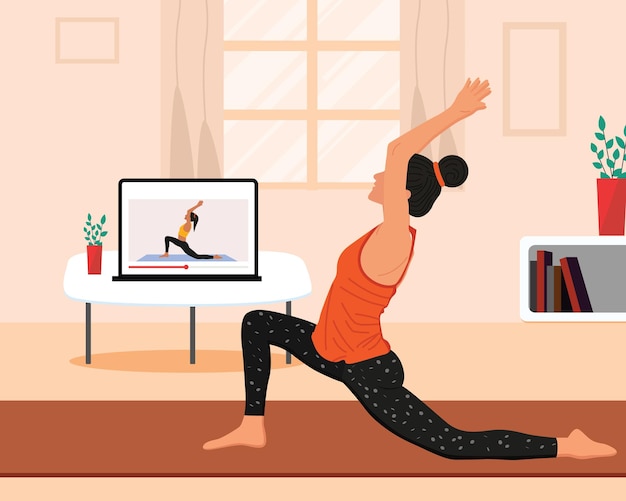
Advanced technology, including AI instructors and wearable devices, helps monitor alignment, heart rate, and calories burned. This makes online yoga increasingly comparable to studio yoga in effectiveness, especially for dedicated self-practitioners.
3. Physical Benefits Comparison
Studio yoga excels in real-time posture correction, alignment guidance, and safe progression to advanced poses. Online yoga requires self-awareness, but with AI guidance and posture analysis apps, practitioners can achieve similar benefits, especially in basic and intermediate sequences.
4. Mental Health Benefits
Both studio and online yoga enhance mental wellness. Studios provide a structured, distraction-free environment and foster social connection, which boosts mood and reduces stress. Online yoga allows privacy, comfort, and guided meditation for mental relaxation, especially suitable for introverted practitioners.

5. Social Engagement
Studio yoga offers direct interaction with peers and instructors, fostering accountability and motivation. Online yoga communities, forums, and live sessions recreate social support digitally, but may lack the immersive energy of physical classes.
6. Convenience & Flexibility
Online yoga provides unmatched convenience—practice anywhere, anytime, adapting sessions to your lifestyle. Studio classes require strict scheduling and commuting, which can be a limitation for busy professionals.
7. Cost Considerations
Studio yoga memberships range from $50–$200 per month. Online yoga is more affordable, with free or low-cost subscriptions, making it accessible for beginners or budget-conscious individuals.
8. Motivation & Accountability
Studio yoga ensures motivation through peer presence and instructor supervision. Online yoga apps gamify progress with streak tracking, virtual badges, and reminders to help maintain consistency.
9. Technology Integration
Online yoga in 2025 leverages wearable devices, AI instructors, and VR environments. These tools provide posture correction, performance tracking, and immersive experiences, making online practice more effective and interactive than ever.
10. Hybrid Yoga: Combining the Best of Both Worlds
A hybrid approach allows maximum benefits—studio classes for guidance and community, online sessions for daily flexibility and meditation. This ensures consistent practice, safe progression, and variety.

11. Real-Life Success Stories
Riya, 28, Mumbai: Attends studio yoga twice a week and complements with online yoga on weekends. Reports increased flexibility, motivation, and reduced stress levels.
Arjun, 35, Pune: Practices online yoga only using AI-guided apps. Achieved weight loss and posture improvement but misses in-person social engagement.
Priya, 22, Delhi: Focuses on studio yoga. Progressed rapidly in advanced poses and enjoys community interaction and group motivation.
12. FAQ
Q1: Can beginners start with online yoga?
A: Yes, but it is recommended to start with live sessions or attend studio classes for posture guidance.
Q2: Which format is better for mental health?
A: Studios provide social support, while online yoga provides comfort and privacy. Combining both yields best results.
Q3: What is the best approach in 2025?
A: A hybrid approach offers guidance, flexibility, and technology-driven improvements.
13. Conclusion
Studio yoga is excellent for guidance, posture correction, and social engagement, while online yoga offers flexibility, affordability, and technology-driven enhancements. Combining both in a hybrid model maximizes physical, mental, and social benefits, making it the most effective approach for 2025.
Check out our detailed YouTube guide to visualize this comparison: Watch on YouTube