15 Minute Yin Yoga for Deep Relaxation and Nervous System Reset
Modern life often celebrates movement, productivity, and constant engagement. Yin yoga gently offers another perspective. This practice reminds us that deep rest is a biological need and stillness is a form of wisdom. Through long held postures and quiet awareness, the body is invited to shift from effort into ease.
This full body yin session supports anyone feeling mentally overstimulated, emotionally heavy, or physically fatigued. Rather than asking the body to perform, it encourages surrender, patience, and listening. Over time, these qualities extend beyond the mat into daily life.
Arriving Into Stillness and Breath Awareness
The practice begins seated, offering time to arrive before movement begins. Attention gently settles on the breath, not to change it, but to witness it. This simple awareness creates a feeling of safety and signals the nervous system that it can soften its guard.
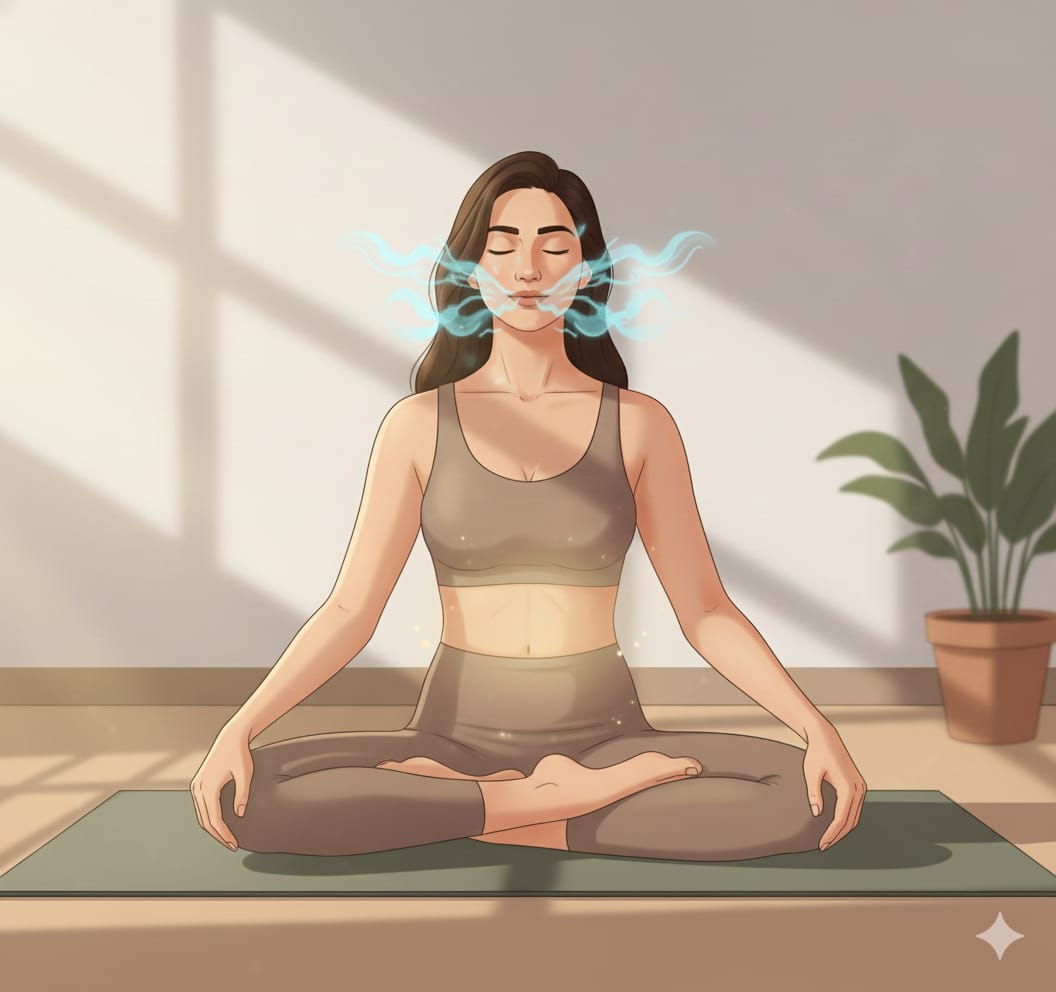
Chanting Om and setting an intention becomes a grounding ritual. The intention may be rest, acceptance, or presence. Yin yoga reminds us that intention is not a goal, but a quiet direction for awareness to return to when the mind wanders.
Child’s Pose as a Space of Surrender
Child’s Pose introduces the body to stillness through a shape that feels protective and supported. With gentle side stretches, tension along the spine, ribs, and lower back begins to melt. Longer holds allow connective tissues to respond slowly and safely.
In daily life, many people carry emotional and mental weight through the back body. Resting here teaches the nervous system that it is safe to release effort and be held without doing anything in return.
Gentle Wrist and Spine Awakening
All fours with finger flips brings mindful attention to the wrists and forearms, areas often strained by screens and repetitive movement. These subtle actions encourage circulation and awareness rather than intensity.
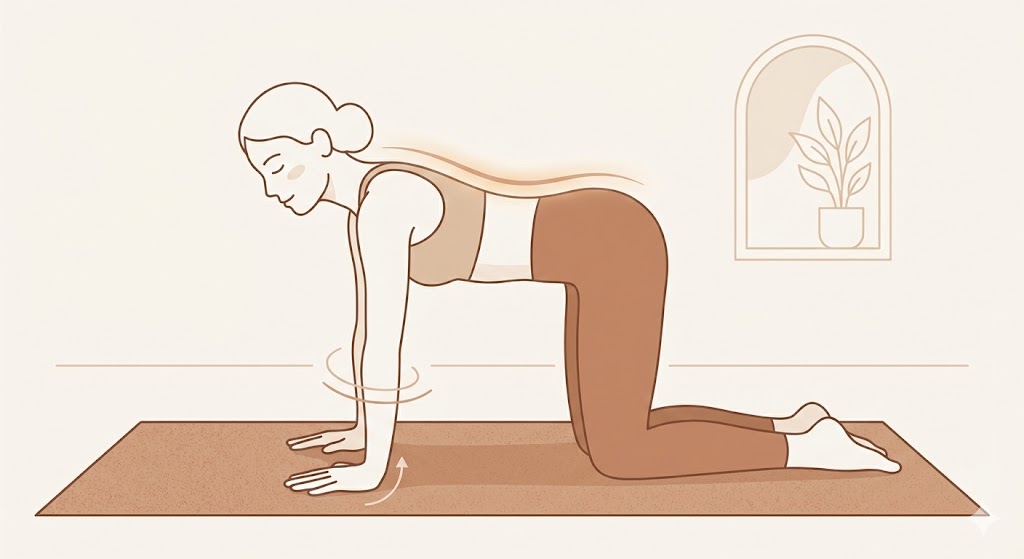
Yin yoga respects the body’s natural timelines. Instead of pushing deeper, it emphasizes staying present with sensation, allowing tissues to adapt gradually and safely.
Twists and Forward Folds for Emotional Release
Seated twists gently massage internal organs while encouraging spinal mobility. Forward folds invite the hips, lower back, and nervous system to soften. These shapes are often associated with letting go, not only physically, but emotionally.
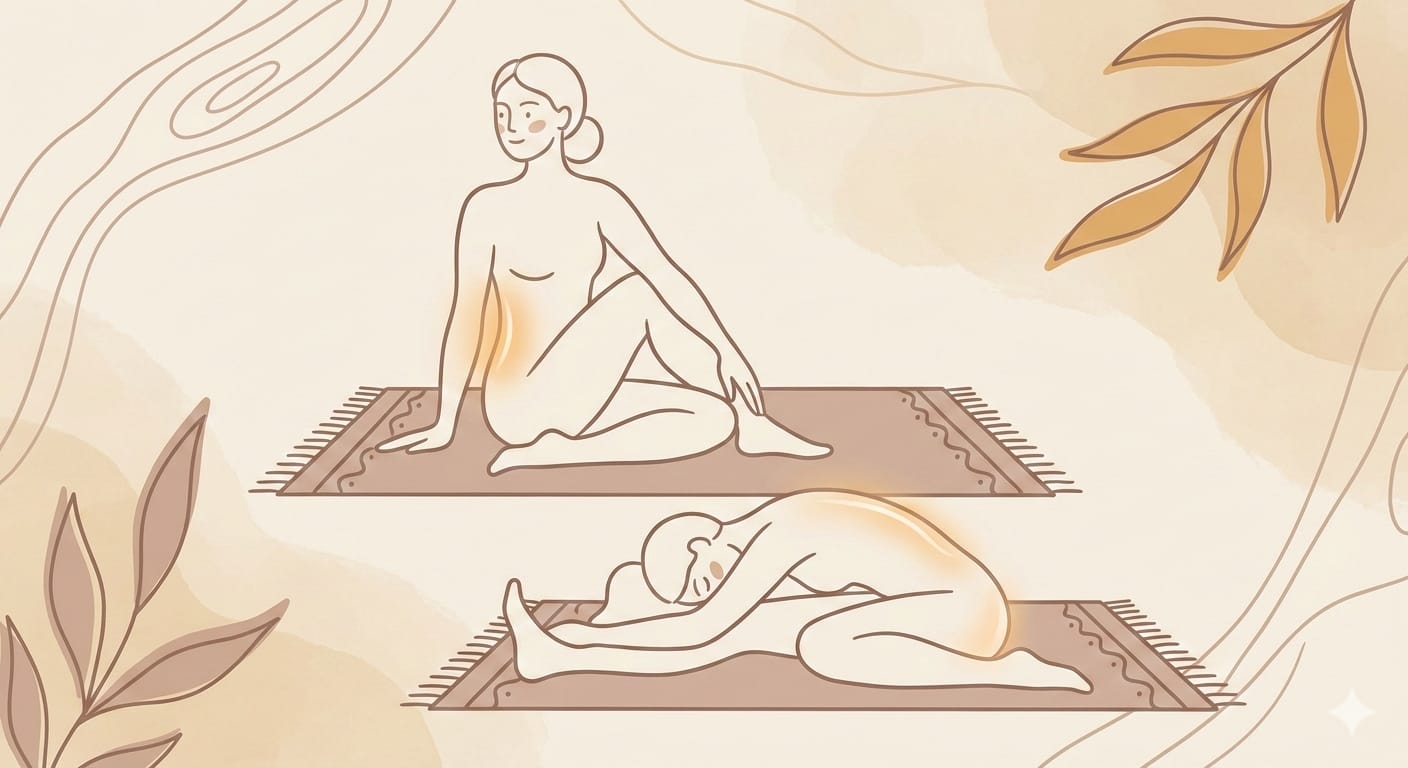
Holding these postures longer creates space for reflection. Sensations may shift, emotions may surface, and awareness deepens. Yin yoga becomes a mirror, revealing where resistance exists and where ease is slowly emerging.
Heart Opening and Reclined Rest
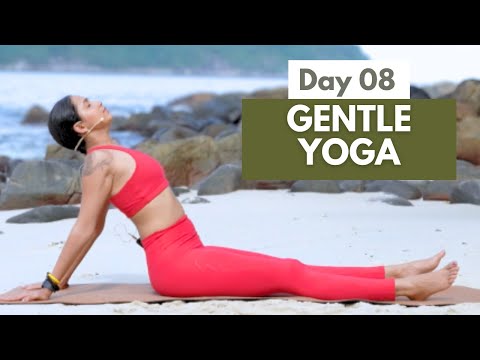
The seated chest lift gently opens the front body, counterbalancing modern postures shaped by screens and sitting. Opening the chest often brings a sense of vulnerability, which yin yoga holds with patience and compassion.
Reclined Bound Angle Pose invites the hips and nervous system into deep rest. Supported stillness allows the body to shift into parasympathetic activation, where restoration and healing naturally occur.
Closing With Savasana and Integration
Gentle leg movements help the body transition toward stillness before Savasana. This final rest is not passive. It is an active process of integration, allowing the effects of the practice to settle deeply.
In stillness, the body recalibrates and the mind softens. Yin yoga teaches that slowing down does not mean falling behind. It means learning how to live with greater awareness, patience, and care.
Over time, practices like this become quiet anchors in everyday life. Yoga then moves beyond poses, shaping how we respond to stress, rest, and ourselves with greater kindness and awareness.