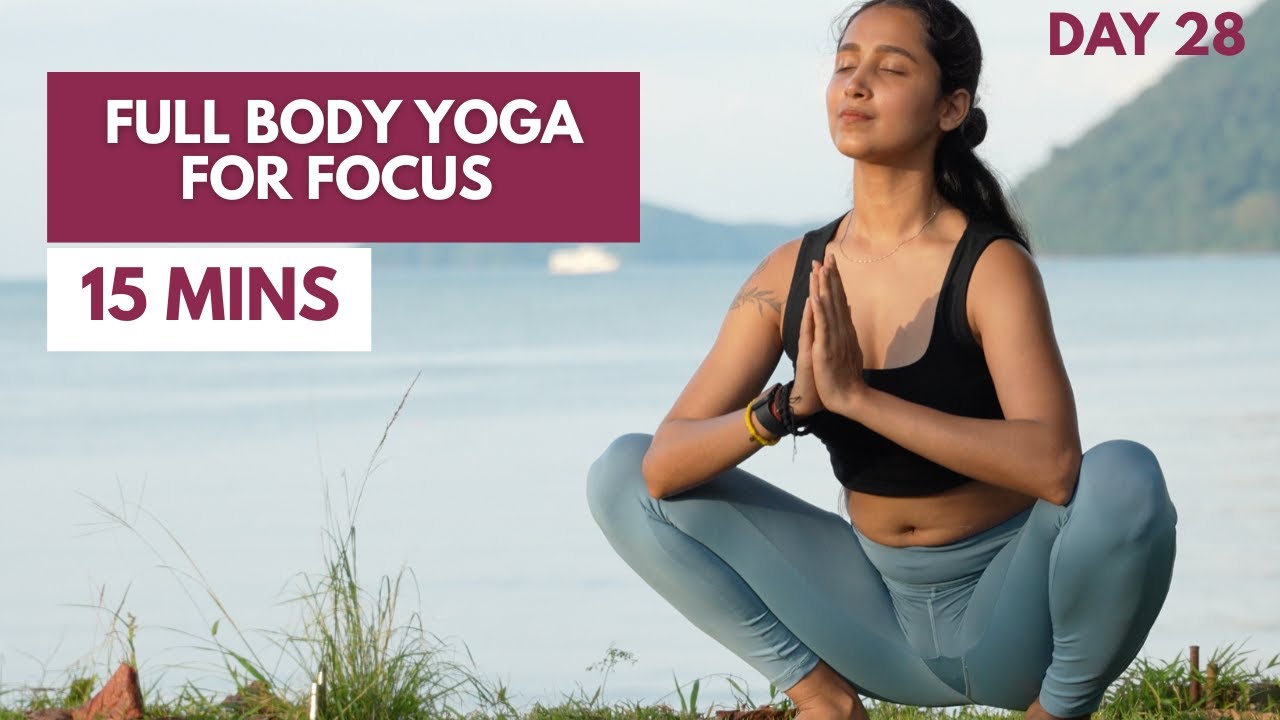
Yoga for Balance & Mental Stability
A 15-Minute Practice to Steady the Body and Calm the Mind
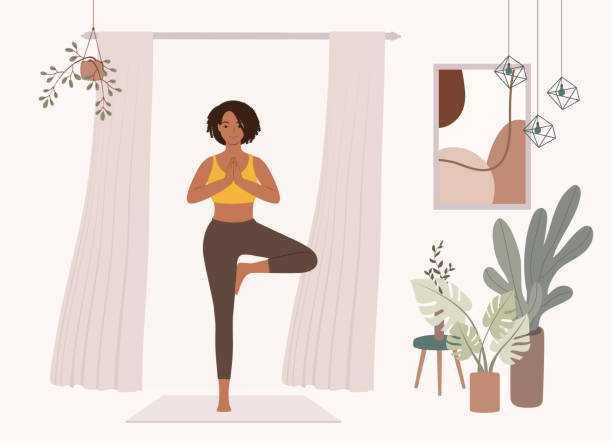
This 15-minute session is designed to improve balance, cultivate mental stability, and strengthen the connection between a calm mind and a steady body.
When the mind is distracted, the body wobbles. When attention sharpens, stability increases. This practice gently trains both.
Foundation and Foot Awareness
The session begins with standing postures, emphasizing breath awareness and grounding through the feet.
Shifting weight front-to-back and side-to-side improves proprioception — your body's awareness in space. Pelvic tilts engage the core, creating internal support before balancing begins.
Single-Leg Balance Training
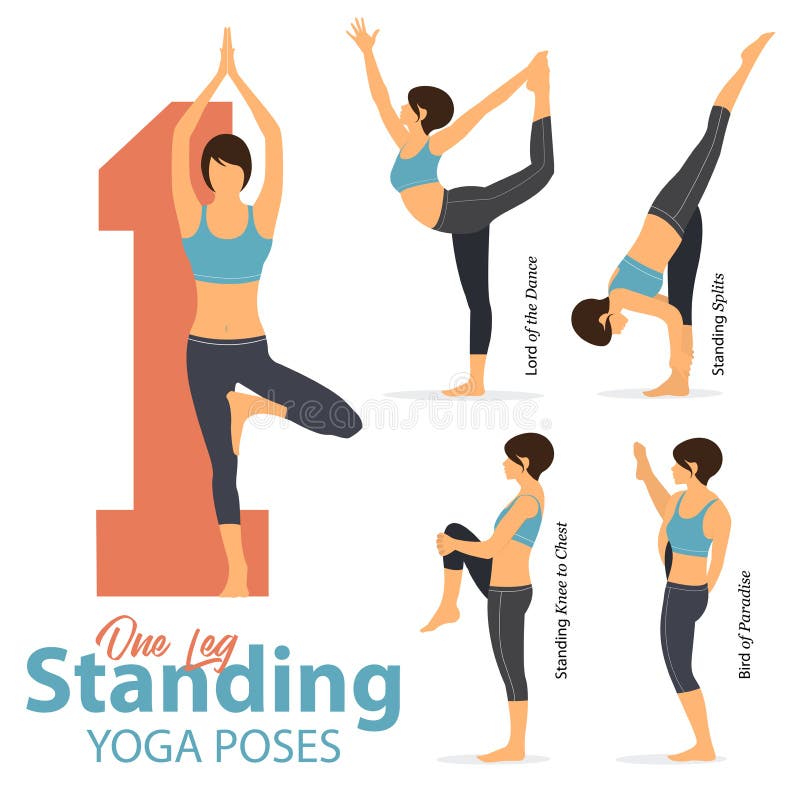
Lifting one knee to hip height activates stabilizing muscles around the ankle, knee, and hip. Drawing the knee toward the chest strengthens focus.
Grabbing the ankle from behind adds a quad stretch while challenging coordination. The instructor reminds you to avoid jerks and move with control.
Warrior Flow and Strength
Transitions through Warrior I, Warrior II, and Reverse Warrior build strength and grounding.
Warrior III challenges balance deeply, demanding steady breath and unwavering gaze. A wide-legged forward fold follows to release accumulated tension.
Tree Pose and Mental Focus
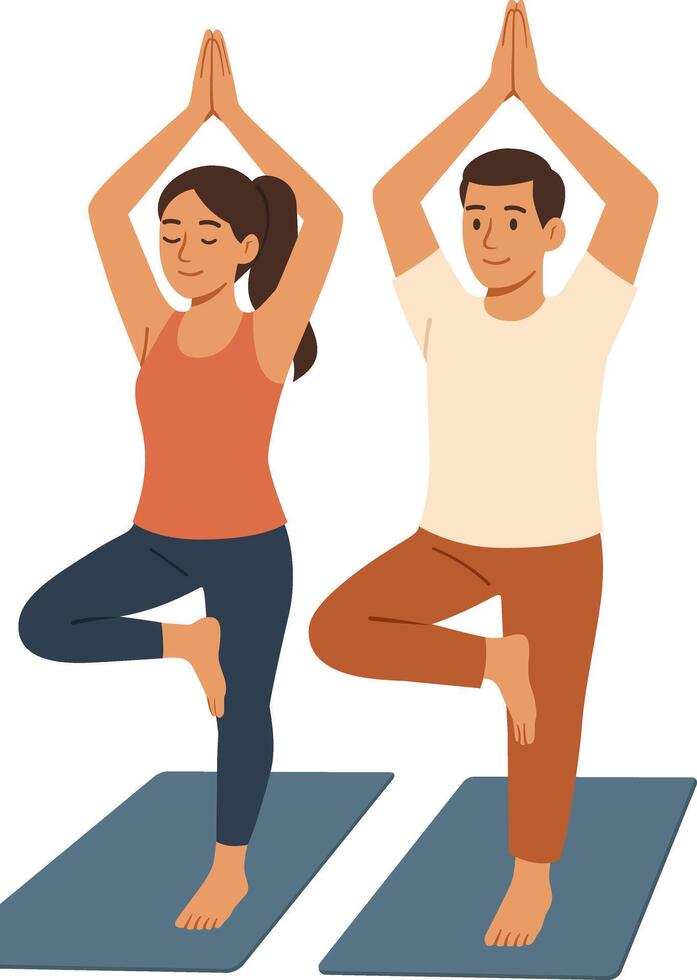
Tree Pose teaches patience. The foot can rest on the ankle or thigh — stability matters more than height.
Adding chest rotation increases complexity, reinforcing that balance requires focus and self-calibration.
The instructor emphasizes embracing the process rather than perfection. Wobbling is part of growth.
Seated Balance and Integration
The final seated balance with lifted heels strengthens the core while testing control.
The session ends in seated relaxation, allowing the nervous system to settle and integrate the experience of steady movement and calm breath.
This practice reminds us that true balance is not rigidity — it is responsive stability.