Benefits for Each Bikram Yoga Posture
In a world shaped by long work hours, screen fatigue, and constant performance pressure, the body often carries more stress than the mind can name. Bikram Yoga offers a structured way to return to the body through repetition, heat, breath awareness, and presence. Each posture works not only on muscles and joints, but on circulation, nervous system regulation, and the subtle patterns of attention we carry through daily life.
Standing Postures and Everyday Stability

Standing postures in Bikram Yoga build grounded strength in the legs, hips, and spine. Postures such as Half Moon, Awkward Pose, and Eagle Pose gradually improve balance and joint stability. Over time, this physical steadiness reflects in daily life as emotional steadiness. The nervous system learns how to stay calm while the body is challenged, which becomes useful during work stress, deadlines, and decision making.
Circulation and Focus
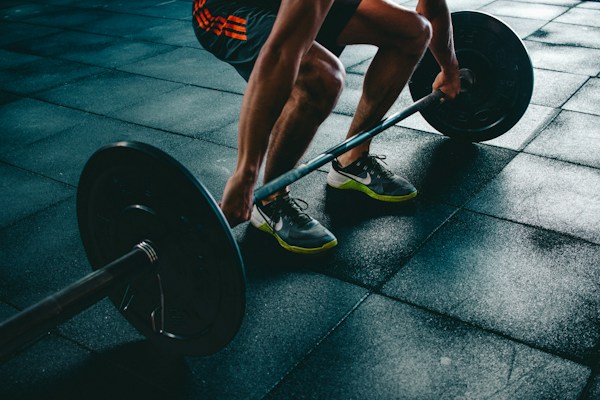
Standing balances encourage blood flow back toward the heart while strengthening smaller stabilizing muscles. This improves overall circulation and brings clarity to attention. Many practitioners notice that after consistent practice, their ability to focus during meetings and conversations improves because the body is less restless and the breath becomes more steady.
Backbends and the Emotional Body
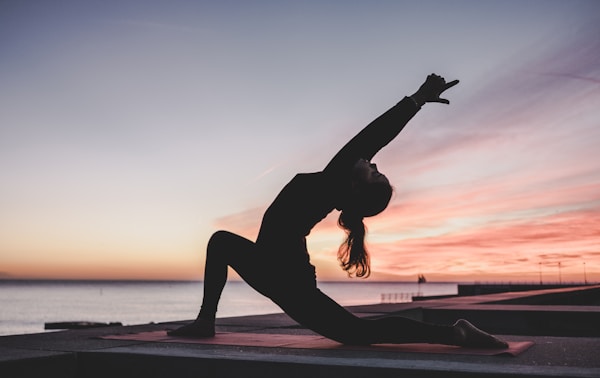
Backbending postures like Cobra and Camel create space across the chest, lungs, and shoulders. Many people hold emotional tension in this area without realizing it. Opening the front body supports deeper breathing and can gently reduce the habit of shallow chest breathing that develops from long hours of sitting and emotional guarding.
Breath Capacity and Mood Regulation
When the chest opens and the spine becomes more flexible, lung capacity improves naturally. This supports the parasympathetic nervous system response, allowing the body to exit chronic stress mode. Over time, mood becomes more stable, and emotional reactions soften.
Forward Folds and Inner Quiet

Forward bending postures support digestion, spinal decompression, and nervous system calming. These shapes encourage inward attention and often feel grounding after stimulating parts of the sequence. The gentle compression of the abdomen stimulates digestive organs and encourages slower breathing patterns.
Spinal Twists and Detoxification Support
Twisting postures gently massage internal organs and support circulation around the spine. These movements help maintain spinal mobility while assisting the body’s natural detox pathways through improved lymphatic movement. Practicing twists with slow breath builds patience and body awareness.
Yogaendless views Bikram Yoga as a ritual of consistency rather than performance. The sequence becomes a mirror for how you respond to challenge, discomfort, and progress in everyday life.
Explore mindful practice with YogaendlessOver time, each posture becomes less about perfection and more about awareness. The body learns resilience through repetition, the breath becomes a steady companion during effort, and the mind learns to stay present with sensation without reacting. Yoga becomes a lifelong relationship with steadiness rather than a short term solution.