
AI Work Life and Stress: How Yoga Builds Mental Strength in a Hyper Intelligent Era
The integration of artificial intelligence into daily work has reshaped professional expectations. Tasks that once required hours are now completed in minutes. Communication cycles are shorter. Decision making is faster. Data flows continuously. While productivity has expanded, so has cognitive demand.
Human biology, however, has not evolved at the speed of algorithms. The nervous system still responds to pressure in ancient ways. When demands feel relentless, stress hormones remain elevated. Over time this creates mental fatigue, emotional reactivity, sleep disruption, and physical tension. The challenge of AI era work is not capability. It is sustainability.
The Neurological Impact of Constant Digital Stimulation
AI powered environments require continuous attention switching. Notifications, dashboards, performance metrics, and adaptive systems keep the brain in high alert mode. This overstimulation activates the sympathetic nervous system repeatedly. When activation becomes chronic, cortisol remains elevated and recovery windows shrink.
Prolonged exposure to cognitive overload reduces executive function clarity. Memory consolidation weakens. Emotional tolerance narrows. Many professionals describe this as brain fog or decision fatigue. These are not signs of weakness. They are signals of nervous system strain.

Yoga as a Regulation System for the Modern Mind
Yoga addresses stress at the physiological level. Slow nasal breathing stimulates the vagus nerve, encouraging parasympathetic dominance. This shifts the body from survival mode toward restoration. Heart rate variability improves, which is strongly associated with emotional resilience and adaptive capacity.
Gentle spinal movements reverse the postural compression created by prolonged sitting. Forward folds reduce sensory input, allowing the brain to down regulate stimulation. Supported backbends open the chest, counteracting the collapsed posture common in screen based work.
Mental Strength Through Interoceptive Awareness
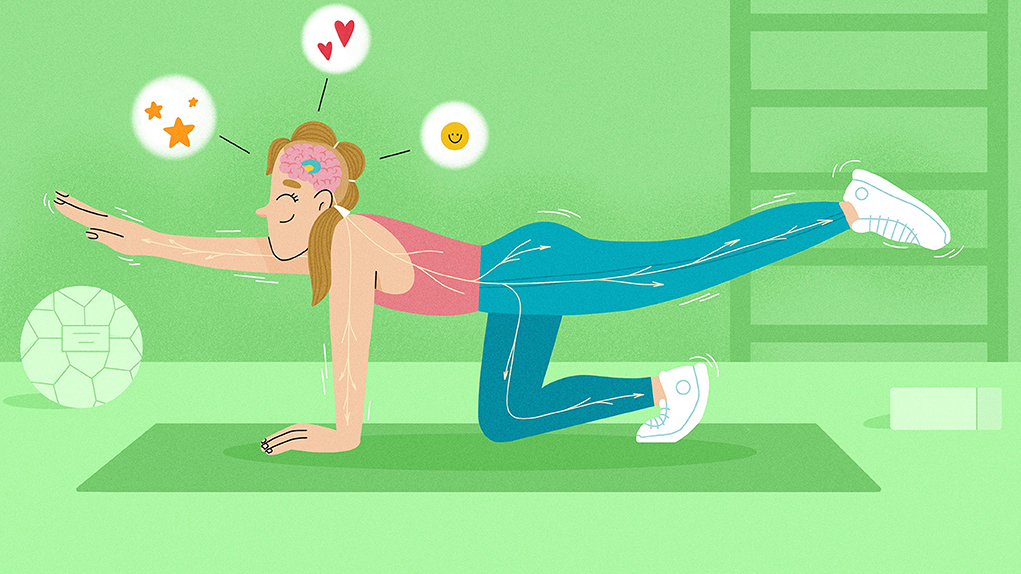
True mental strength in an AI driven world is not constant endurance. It is internal awareness. Interoception, the ability to sense internal body signals, allows early recognition of stress accumulation. Yoga strengthens this awareness by bringing attention to breath rhythm, muscle tone, and subtle shifts in energy.
When professionals can recognize tension early, they can intervene before burnout develops. A simple pause to lengthen the exhale, release the jaw, or soften the shoulders can reset the stress cycle in real time.
Building a Sustainable Performance Model
High performance environments often reward output without equal emphasis on recovery. Sustainable excellence requires oscillation between activation and restoration. Yoga teaches this rhythm. Effort followed by rest. Expansion followed by grounding. Engagement followed by integration.
Three short regulation moments during the workday can prevent cognitive overload. Morning breath awareness before opening digital platforms. Midday spinal mobility to counter sitting. Evening forward fold to signal closure. These practices act as maintenance for the human system behind the technology.

The future will likely increase automation and acceleration. Mental clarity, emotional steadiness, and nervous system flexibility will determine long term success. Yoga offers a timeless method to cultivate these capacities. In a world shaped by artificial intelligence, conscious breath remains profoundly human.

Experience a guided session designed to regulate stress and restore clarity after digital overload.
Tap to practice this calming restorative flow