
You’re Constantly Distracted - Even Alone
There was a time when being alone meant being still. It meant a quiet space where the mind could settle, where thoughts could slow down, and where the body could rest without interruption. Today, that experience has changed. Even when there is no one around, distraction continues. The mind moves from one thought to another, the hand reaches for the phone without intention, and silence feels unfamiliar rather than comfortable.
Distraction is no longer something external. It has become a constant internal state.

The Habit of Continuous Stimulation
Modern life is designed around constant stimulation. Notifications, short videos, endless scrolling and rapid content shifts train the mind to expect continuous input. Over time, this creates a pattern where stillness begins to feel uncomfortable. The mind seeks something to engage with, even when there is nothing that truly needs attention.
This habit does not stop when the phone is put away. It continues internally. The mind begins to generate its own stimulation through thoughts, memories and planning. This is why distraction continues even in silence. The source has shifted from external to internal.
Sit quietly for a moment.
Without reaching for anything, observe how quickly your mind looks for the next distraction.
Without reaching for anything, observe how quickly your mind looks for the next distraction.
Why the Mind Struggles to Stay Present
The brain adapts to what it experiences repeatedly. When it is exposed to constant stimulation, it begins to prefer faster, more engaging inputs. Slower moments, such as silence or stillness, feel less rewarding in comparison. This creates a cycle where the mind moves away from the present moment in search of something more stimulating.

This shift affects attention deeply. It becomes harder to stay with one thought, one task or even one breath. The mind begins to fragment, moving quickly without settling. Over time, this leads to mental fatigue, even when physical activity is low.
Distraction is not just about losing focus. It is about losing connection with the present moment.
The Nervous System and Constant Distraction
The nervous system responds to how attention is used. Constant distraction keeps it slightly activated, always preparing for the next input. This prevents it from entering deeper states of rest and recovery. Even when the body is still, the system remains active beneath the surface.
This is why true rest can feel difficult. The body may be sitting, but the mind continues to move. Without awareness, this pattern continues throughout the day, gradually reducing clarity, focus and energy.
Take a slow breath and notice your surroundings.
How often do you fully experience a moment without distraction?
How often do you fully experience a moment without distraction?
Returning to Awareness in Small Ways
The shift away from constant distraction does not require drastic change. It begins with small moments of awareness. Noticing the breath while sitting. Observing the body while walking. Allowing a moment of silence without filling it immediately. These actions may seem simple, but they create a new pattern.
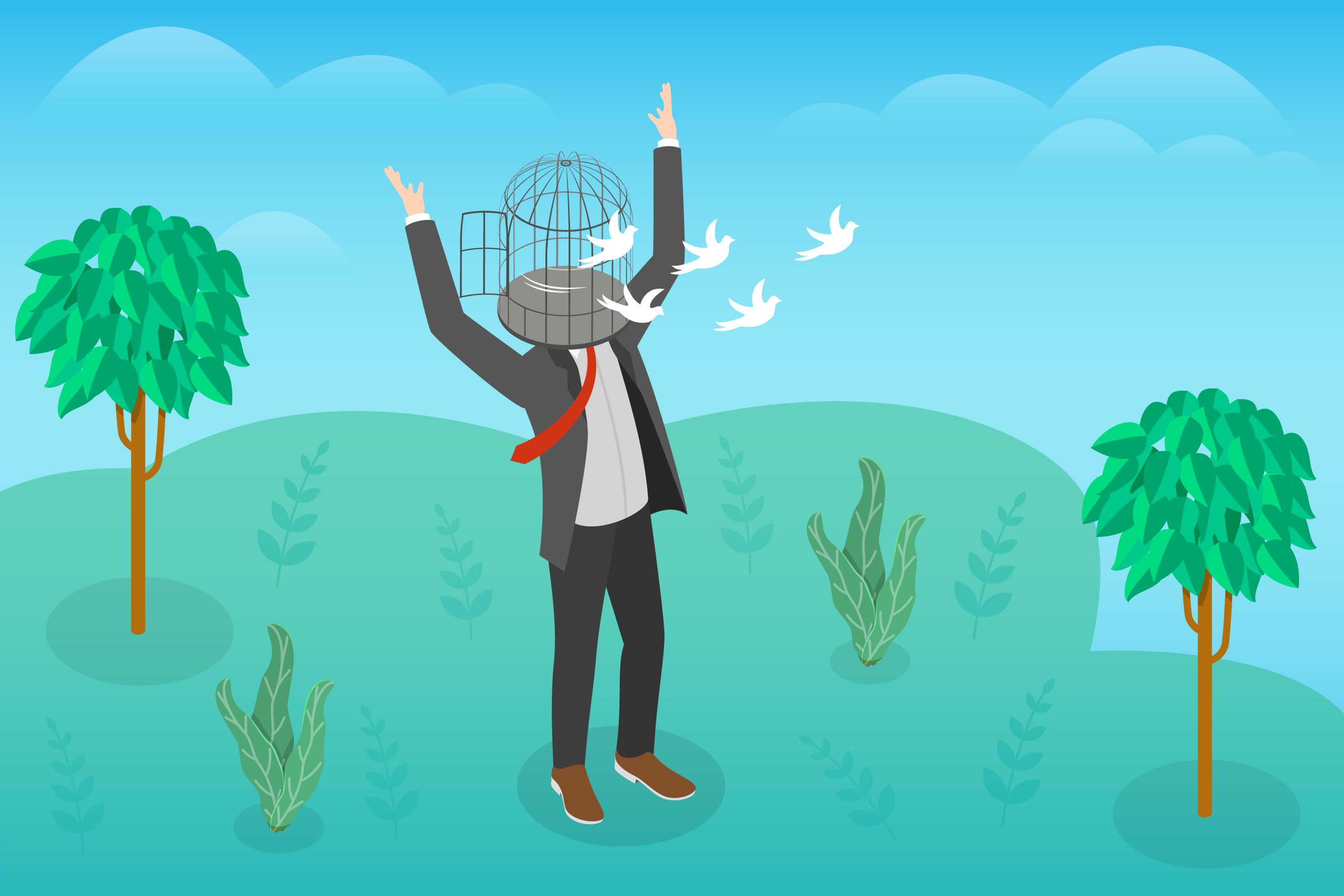
As these moments increase, the mind begins to adapt again. Stillness becomes more familiar. Attention becomes more stable. The need for constant stimulation begins to reduce naturally.
☐ I sat without distraction today
☐ I noticed my breath
☐ I avoided unnecessary scrolling
☐ I allowed moments of silence
☐ I noticed my breath
☐ I avoided unnecessary scrolling
☐ I allowed moments of silence
Yogaendless encourages a return to presence. Through gentle awareness and simple practices, the mind learns to rest in the moment again. Distraction begins to fade, not through force, but through understanding.
Explore mindful practices with YogaendlessYou do not need to remove every distraction. You only need to rediscover what it feels like to be fully present, even for a moment.