
Packing for a Himalayan Yoga Retreat: A Simple Guide
Pack in layers, keep it light, and leave room for a little dust and dampness. That’s really the whole idea behind dressing for a few days in the Himalayan foothills.
In this article
Key takeaways
- Dunagiri’s November days run mild and sunny; nights and early mornings drop close to freezing, so layers matter more than one heavy coat.
- A base, mid and outer layer system handles the daily swing better than bulky single garments.
- Bring worn-in, closed footwear for hikes and temple visits, plus something easy to slip on and off for the shala.
- Pack light, breathable yoga wear alongside your warmer layers. You’ll likely wear both in the same day.
- Leave valuables, excess electronics and anything you’d be upset to lose on a dusty hill trail at home.
Why layering matters more than any single jacket
One big coat solves one temperature. Layers solve a whole day.
A recent scientific review of multilayer cold weather clothing found that the way base, mid and outer layers interact determines both heat retention and how well moisture escapes the body, which is the real reason a single thick jumper can leave you clammy and cold at once. Separately, research into cold weather clothing systems has shown that removing a layer during activity, rather than adding more insulation, is often what actually keeps the body comfortable, since trapped body moisture reduces how well any layer insulates.
In practice, that means the plan is simple: a moisture-wicking base layer next to your skin, a warm mid layer you can peel off once you’re moving, and a windproof outer layer for early mornings and evenings.
Tip: avoid packing only cotton base layers. Cotton holds onto sweat rather than moving it away from your skin, which makes you colder once you stop moving.
What the weather actually does in Dunagiri
Expect warm middays and genuinely cold mornings and nights.
Nearby Pithoragarh, the closest weather station to Dunagiri, typically sees November highs around 21°C and lows closer to 8°C, and at Dunagiri’s higher elevation among the pines, early mornings can feel noticeably colder still. Afternoons in direct sun are pleasant enough for a t-shirt; the same evening, once the light drops behind the hills, you’ll likely want a proper layer or two.

The packing list, day by day
Here’s what actually earns a place in the bag.
- Base layers: 2 to 3 moisture-wicking long-sleeve tops, thermal leggings for sleeping and early mornings.
- Mid layer: a fleece or light down jacket you can remove once you start moving.
- Outer layer: a windproof, ideally water-resistant jacket for hikes and evening walks.
- Bottoms: comfortable trousers or joggers for daytime, plus one warmer pair for evenings.
- Footwear: broken-in closed shoes or light hiking shoes, and a pair of slip-ons for the shala and dining area.
- Accessories: a warm hat, gloves, and a scarf or buff for the coldest mornings.
- Essentials: sunscreen, lip balm, a reusable water bottle, and a small torch or headlamp for the walk back from the meditation pyramid at night.
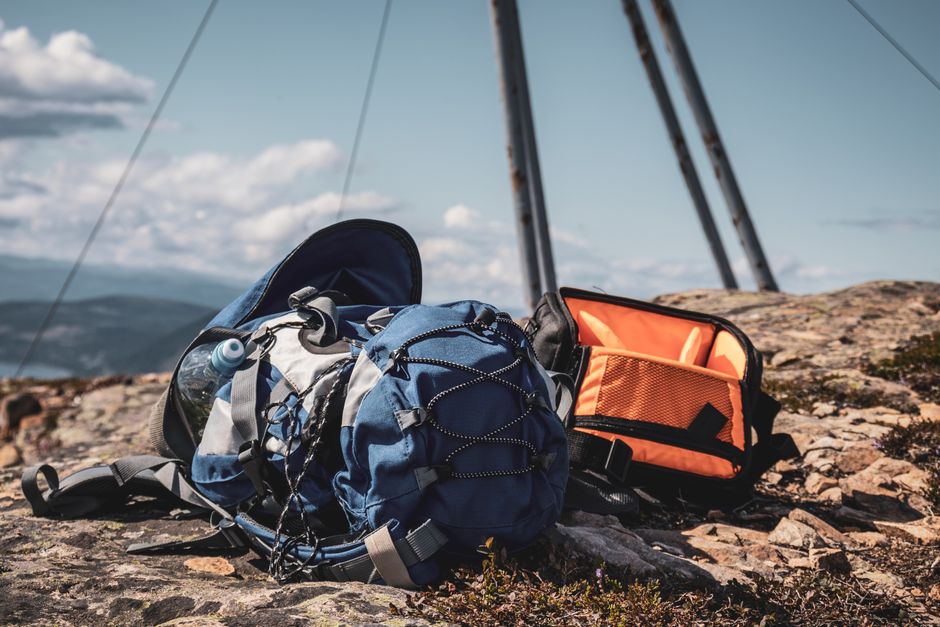
Tip: a small daypack for the afternoon hikes and temple visits is more useful than it sounds. You’ll want somewhere for a water bottle, a layer, and your phone or journal.
Packing this for Rooted 2.0?
Five days of asana, meditation and Himalayan hikes in Dunagiri, guided by Anjali Pandey.
See the Full Rooted 2.0 JourneyWhat to bring for the practice itself
Bring what you’d wear to any class, then add one warm layer for the start and end of practice.
A lightweight, breathable top and leggings work well once the shala warms up, but mornings often start cool, so a zip-up layer you can shed a few minutes in is genuinely useful. Pack your own mat if you have a favourite; otherwise check with the team on what’s provided. A small towel for sweat and a reusable water bottle round out the essentials.
What you can safely leave at home
Less really is more here.
Skip the second pair of jeans, the hair dryer, and anything you’d be upset to lose to hill dust or a sudden spell of rain. Formal clothing has no real use across five days built around practice, walks and quiet reflection. If in doubt, the simplest test is whether an item earns its place across at least two different parts of the day.
“Every retreat, someone arrives with a suitcase built for a week in the city. By day two, they’re wearing the same three layers as everyone else. Pack light, pack warm, and trust that Dunagiri doesn’t need you to look a certain way.”
— Anjali Pandey
A word from Anjali
Anjali has watched plenty of first-timers over-pack for Dunagiri, and under-pack for the cold.
Her advice is consistent: bring less clothing than you think you need, but make sure what you do bring covers both a warm afternoon and a genuinely cold morning. Everything else, she says, tends to sort itself out once you’re there.
Frequently asked questions
Do I need proper hiking boots?
Not necessarily. Broken-in, closed, comfortable shoes with decent grip are usually enough for the walks and temple visits included in Rooted 2.0. Avoid brand new shoes you haven’t worn before.
How cold does it actually get at night?
Nearby Pithoragarh sees November lows around 8°C, and Dunagiri’s elevation among the pines can feel colder still after dark, so a warm layer for the evening and night is worth packing.
Should I bring my own yoga mat?
Bring one if you have a favourite you’re comfortable practicing on; otherwise check with the Yogaendless team ahead of time about what’s provided at the shala.
Is there anywhere to do laundry?
For a five day retreat, most people pack enough base layers to avoid needing this, but it’s worth checking directly with the team if you’d like to know more.
What’s the one thing people most often forget?
A proper torch or headlamp. Evenings in the meditation pyramid and the walk back afterwards are genuinely dark once you’re away from the shala lights.
Curious what the shala and the surrounding hills actually look like before you pack your bag? Here are a few recent videos from the Yogaendless channel.


Yogaendless is an online yoga studio led by Anjali Pandey, offering live group classes, private coaching, on-demand flows, corporate sessions, and retreats like Rooted 2.0, with a physical home at Loft 52, Bandra, for anyone who wants to build strength, flexibility and calm, whatever their starting point.