
Beginner Yoga
What Is Sattvic Food? A Beginner’s Guide
Sattvic food is a simple way of eating, drawn from yogic tradition, that keeps the body light and the mind clear.
In this article
Key takeaways
- Sattvic food means fresh, simple, plant-based meals believed to support a calm, clear mind.
- It’s one of three food categories in yogic and Ayurvedic thought, alongside rajasic (stimulating) and tamasic (heavy, dulling) food.
- You don’t need to overhaul your whole diet overnight, small shifts count.
- Early research links sattvic-style, plant-forward eating to reduced inflammation, though more study is needed.
If you’ve spent any time around a yoga studio, an ashram, or even just a yoga-focused Instagram feed, you’ve probably heard the word “sattvic” tossed around. It sounds like it should be complicated. It really isn’t.
What does “sattvic” actually mean?
Sattvic food comes from the Sanskrit word sattva, meaning purity, balance, or clarity. In Ayurveda and yogic philosophy, all food (and really, all experience) is said to carry one of three qualities, or gunas: sattva (pure, light, clear), rajas (stimulating, restless), and tamas (heavy, dulling). A sattvic diet is a type of plant-based diet within Ayurveda in which food is divided into these three yogic qualities.
In plain terms: sattvic food is meant to nourish you without weighing you down, physically or mentally. Think fresh, whole, gently prepared food rather than anything greasy, overly processed, or sitting around for days.
Quick tip: If you’re not sure whether a meal is “sattvic,” ask yourself: was this made today, from real ingredients, without excess oil or spice? If yes, you’re probably close.
What counts as sattvic food
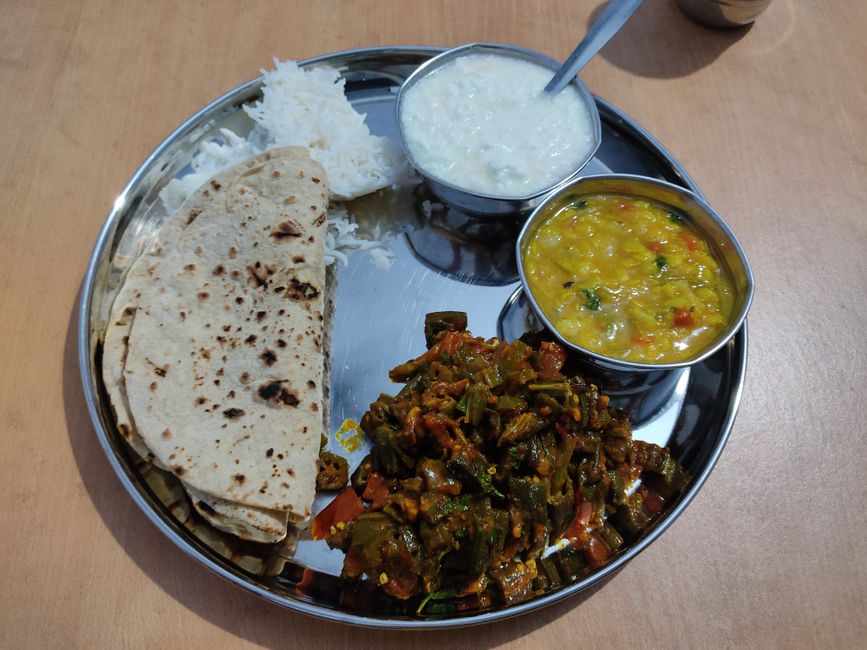
Sattvic meals lean heavily on:
- Fresh fruits and vegetables
- Whole grains like rice, oats, and whole wheat
- Legumes and lentils (dals)
- Nuts, seeds, and natural sweeteners like honey or jaggery
- Dairy in moderate, fresh form, such as milk, ghee, or paneer
- Mild herbs and spices, used to support digestion rather than overwhelm the palate
The idea isn’t restriction for its own sake. It’s about choosing food that’s easy to digest, close to its natural state, and prepared with a bit of care, rather than grabbed on the go and eaten distractedly.

What sattvic food isn’t (rajasic and tamasic)
Rajasic foods are the stimulating end of the spectrum, think very spicy, oily, or caffeinated food that revs you up and can leave you restless or irritable. Tamasic foods sit at the other end: overly processed, stale, or heavy food (think fried snacks, leftovers reheated one too many times, or excess alcohol) that’s said to leave you sluggish and foggy.
Nobody’s asking you to never enjoy a strong coffee or a plate of fries again. It’s more useful as a lens: noticing how different meals actually make you feel, rather than a strict rulebook to follow perfectly.
Why yogis pay attention to what they eat
In yogic thought, food is considered energy, not just fuel, and what you eat is believed to shape how clearly you think and how steady your mood feels. That’s part of why sattvic eating is often paired with practices like the ones taught during a retreat: asana, meditation, and pranayama all ask something of a calm nervous system, and heavy or overstimulating food can work against that.
Modern research is still catching up to centuries of yogic experience, but there are useful threads worth knowing. A recent review found that Indian dietary sources are grouped into sattvic, rajasic, and tamasic categories, and that yogic diets, largely plant-based whole foods low in processed and high-glycaemic ingredients, may help reduce the kind of inflammation linked to conditions like type 2 diabetes. Separately, the National Center for Complementary and Integrative Health notes that yoga as practiced today typically combines physical postures, breathing techniques, and meditation, all rooted in a much older, complex philosophical tradition, of which diet was always considered a part.
None of this means sattvic food is a treatment for any condition. It’s better understood as a way of eating that many long-time practitioners find supports the calm, focused state that yoga and meditation are trying to build. If you’re managing a specific health condition, it’s always worth checking with your doctor before making major dietary changes.
“I don’t ask my students to become perfect eaters. I ask them to notice. When you eat something fresh and simple before your practice, you feel the difference in your own body within a week.” — Anjali Pandey, Founder, Yogaendless
How to start eating a little more sattvically
You don’t need to rebuild your kitchen overnight. A few small, sustainable shifts go a long way:
Start with breakfast. Swap a packaged, sugary breakfast for fresh fruit, soaked nuts, or a simple bowl of oats.
Cook a little more often. Even one home-cooked, freshly made meal a day shifts the balance noticeably.
Eat before you’re starving. Rushed, overly hungry eating tends to pull you toward heavier, more rajasic or tamasic choices.
Notice, don’t judge. Pay attention to how you feel an hour after a meal. That feedback teaches you more than any food list.
Taste sattvic food the way it’s meant to be eaten
Every meal at Rooted 2.0, our five day immersion in the Himalayas at Dunagiri, Uttarakhand, is farm-fresh and satvic, made to support your practice from the inside out. Early bird pricing is open until 20 August.
Explore Rooted 2.0FAQ
Is sattvic food always vegetarian?
Yes, sattvic food is vegetarian by definition, built around fruits, vegetables, grains, legumes, nuts, and dairy, without meat or fish.
Do I have to give up coffee to eat sattvically?
Not necessarily. Coffee leans rajasic because it’s stimulating, so you might simply notice how it affects your calm rather than cutting it out entirely.
Can sattvic eating help with anxiety or stress?
Many practitioners find that lighter, fresher meals leave them feeling calmer, though this isn’t a treatment for anxiety or any diagnosed condition. If you’re managing anxiety, it’s best to work with a healthcare professional alongside any dietary changes.
Is a sattvic diet the same as a vegan diet?
Not quite. Sattvic eating includes fresh dairy like milk, ghee, and paneer, whereas vegan diets exclude all animal products.
Do I need to eat sattvically to attend Rooted 2.0?
No prior experience or specific diet needed. The retreat’s meals are prepared satvic style so you can simply show up and experience it.
For more on how food, movement, and stillness work together, here’s what’s playing on our channel lately:



Yogaendless is an online yoga studio led by Anjali Pandey, offering live group classes, private coaching, on-demand flows, corporate sessions, and retreats, with a physical home at Loft 52, Bandra, for anyone who wants to build strength, flexibility and calm, whatever their starting point.