Retreats
What “Slow Travel” Means, and Why Rooted Is Built Around It
It’s not about doing less. It’s about doing everything at the right speed.
In this article
Key takeaways
- Slow travel began as an offshoot of the Slow Food movement, founded in Italy in 1986 as a reaction against fast food culture.
- Its core idea is quality over quantity: fewer places, deeper experiences, real presence.
- Slow doesn’t mean sluggish, it means doing things at the right pace, not the fastest one.
- Rooted 2.0 is built around this philosophy: one place, five days, no rushed itinerary.
Somewhere between the packed 12-city, 10-day itinerary and the “did we even leave the resort” beach trip, there’s a third way to travel, one that’s less about covering ground and more about actually landing somewhere. That’s slow travel, and it’s the philosophy Rooted 2.0 is quietly built on.
Where slow travel actually started
Slow travel didn’t start as a travel idea at all. Its roots trace back to the Slow Food movement, founded in Italy in 1986 as a protest against a McDonald’s opening near Rome’s Spanish Steps, a reaction against globalised, homogenised fast food in favour of traditional, regional, unhurried ways of eating. That same instinct, quality over quantity, presence over speed, gradually spread into travel, work, cities, and eventually became known simply as the “slow movement.”
What slow travel really means
At its core, slow travel is a mindset that favours going deeper over covering more ground, choosing to genuinely understand and connect with fewer places rather than rushing between many. It questions the instinct to dash from one landmark to the next and instead asks what it would mean to actually live somewhere for a few days, even briefly, rather than simply visiting it.
Quick tip: A simple test for whether a trip is “slow”: could you describe, in detail, how a single ordinary morning there felt? If yes, you were probably traveling slowly, even without meaning to.
It’s not about doing everything at a snail’s pace
It’s worth being precise here, because slow travel gets misunderstood. As one of the movement’s most cited voices put it, the philosophy isn’t about doing everything as slowly as possible, it’s about doing everything at the right speed, savouring hours and minutes rather than simply counting them. A slow retreat can still involve a sunrise hike or a full day of practice. What makes it slow is the absence of rush, not the absence of activity.

Why this philosophy fits a retreat so naturally
A packed group tour and a genuine retreat are trying to do fundamentally different things. One is optimised for coverage, seeing as much as possible in the time available. The other is optimised for depth, staying still long enough for something to actually settle. Retreats were, in a sense, practicing slow travel long before the term existed: one place, one rhythm, days that repeat and deepen rather than constantly change.
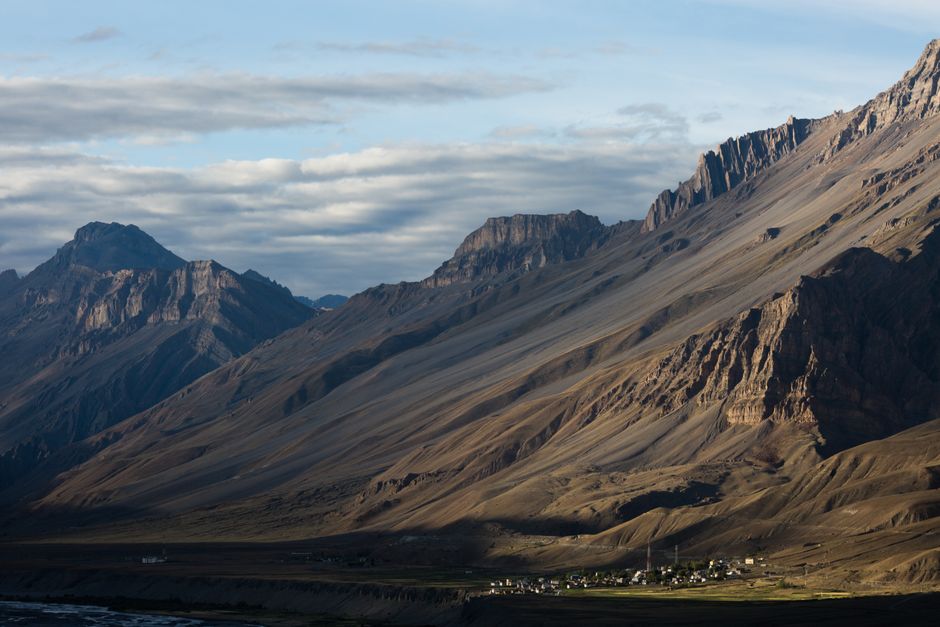
“People sometimes ask what there is ‘to do’ at Rooted, expecting a packed schedule. The honest answer is: less than you’d think, on purpose. The point isn’t to see Dunagiri. It’s to actually be in it, long enough for it to change something.” — Anjali Pandey, Founder, Yogaendless
How Rooted 2.0 is built around it
Rooted 2.0 isn’t a tour of the Himalayas with a few yoga sessions squeezed in. It’s five days in one place, Dunagiri, Uttarakhand, with a rhythm that repeats and deepens: daily asana, meditation, pranayama, and satvic meals, guided by Anjali Pandey. No checklist of sights to cover, no rushing from one activity to the next. Just enough structure to let five days actually feel like five days, rather than a blur.
Travel slowly, on purpose
Rooted 2.0 is one place, five days, built for depth over coverage. Early bird pricing is open until 20 August.
Explore Rooted 2.0FAQ
Does slow travel mean doing less on the trip?
Not necessarily less, but more intentional. Slow travel favours depth in fewer places over rushing through many, savouring the pace rather than simply doing less.
Where did the slow travel movement come from?
It grew out of the Slow Food movement, founded in Italy in 1986 as a reaction against fast food culture, which later spread into travel, cities, and other areas of life.
Is Rooted 2.0 a packed itinerary or a relaxed one?
It’s intentionally unhurried. The retreat stays in one location with a repeating daily rhythm, rather than moving between multiple sights or destinations.
Will I get bored without a packed schedule?
Most guests find the opposite: the absence of a rushed itinerary is what allows the days to actually feel full, rather than simply busy.
Is slow travel only for people with unlimited time?
No. Slow travel is more about mindset and pace than trip length, a 5-day retreat spent fully present in one place is a clear example of slow travel in practice.
Here’s a glimpse of what an unhurried day actually looks like:
Yogaendless is an online yoga studio led by Anjali Pandey, offering live group classes, private coaching, on-demand flows, corporate sessions, and retreats, with a physical home at Loft 52, Bandra, for anyone who wants to build strength, flexibility and calm, whatever their starting point.