In This Article
Key Takeaways
- Readiness for intermediate yoga is less about age or time practiced, and more about comfort, control and consistency.
- A steady plank, familiarity with sun salutations, and being able to follow verbal cues without watching the room are strong signs.
- It’s always safe to start slow. If in doubt, check with a teacher, or your doctor if you have an injury or condition.

You’re ready for intermediate yoga when your foundational poses feel automatic, your core can hold steady, and you’re craving more challenge than a beginner class gives you. If that sounds familiar, the five signs below will help you check, honestly and without pressure, whether it’s time to level up.
There’s no single test that says “you’ve arrived.” But there are patterns that most experienced practitioners and teachers agree on, and a few of them map directly onto what a program like BENDY, our intermediate flow, actually asks of you before you begin.
Sign 1: Foundational poses feel automatic
You know you’re past the beginner stage when you no longer need a preview of every pose before class starts. Downward dog, warrior poses, triangle, bridge, these no longer require you to watch the teacher or the person next to you to know what to do. Your body just goes there.
Tip: If you catch yourself adjusting your own alignment without being told, that’s a strong sign your body awareness has matured past beginner level.
Sign 2: Your core can hold its own
A steady plank is one of the clearest, most practical markers of readiness. Core strength isn’t just about abs, it’s the deep support system that keeps your spine safe as movements get more dynamic. Harvard Health explains that a stronger core helps you move more easily and adds stability to your movements overall, which is exactly what more advanced sequences demand. Their research also highlights that plank-style holds engage a broader spread of muscles across the front, sides and back of the body than sit-ups do, which is part of why so many intermediate programs use a plank hold as a simple, honest benchmark. You can read more in their piece on why planks outperform sit-ups for core training.
Our own BENDY program, for instance, asks that you can hold a plank for at least 30 seconds before joining, not as a gatekeeping exercise, but because that baseline tells us your core is ready to support longer, more continuous flows.
Sign 3: Sun salutations are second nature
If Suryanamaskar (sun salutations) no longer feels like a sequence you’re mentally rehearsing step by step, that’s a good sign. Intermediate classes usually move through many more vinyasas in a single practice, sometimes ten or more, and they assume you can transition between poses while still breathing steadily, not holding your breath or gripping through each movement.
Tip: Practice a few rounds of sun salutations on your own, slowly, and notice whether your breath stays even. That’s often a better readiness check than how “advanced” any single pose looks.
Sign 4: You want less instruction, more flow
Beginner classes tend to offer a lot of verbal guidance and pose previews, and that’s exactly as it should be. But if you’ve started feeling like the instructions are getting in the way of your practice, rather than supporting it, that’s often a sign you’re ready for a class that trusts you to know the shapes and instead offers cueing on breath, intention and safe alignment instead.
Sign 5: You’re cleared for more, physically
Readiness isn’t only mental. Many intermediate programs, ours included, ask about specific physical markers: comfort with basic inversions like a wall-supported headstand, a steady plank hold, and general familiarity with backbends and arm balances. If you have any current injuries, it’s always worth getting a doctor or physiotherapist’s sign-off before starting, especially for anything involving the neck, spine or shoulders.
None of this is about perfection. It’s about having a stable enough foundation that a faster-paced, less-narrated class adds to your practice rather than putting you at risk.
“The students who are ready for BENDY aren’t always the ones who look the most flexible. They’re the ones who can hold a plank, breathe through a flow, and trust their body enough to follow a cue without needing to see it first.”
— Anjali Pandey
Frequently Asked Questions
Do I need to be very flexible to try intermediate yoga?
No. Flexibility helps, but intermediate level is more about strength, breath control and body awareness than how deep you can fold.
What if I can only hold a plank for 20 seconds?
Keep practicing daily for a few weeks, planks respond quickly to consistent short sessions. There’s no harm in waiting a little longer before moving up.
Can I do intermediate yoga if I have a past injury?
Many practitioners with past injuries do, but it’s always worth checking with a doctor or physiotherapist first, and letting your teacher know so they can guide you safely.
Is it normal to feel nervous about moving up a level?
Very normal. Most students feel some nerves before their first intermediate class. It usually settles once you realise your body already knows more than you gave it credit for.
What happens if intermediate yoga feels too hard?
You can always step back to a beginner or foundation class. Levels aren’t fixed labels, they’re just a way to match the pace and complexity of a class to where you are right now.
Curious whether BENDY specifically is the right next step? A quick look at the pose requirements above is a good start, and our team is always happy to talk it through before you enrol.
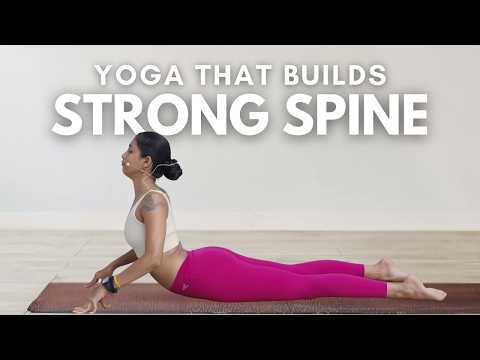
Want to see what an intermediate-level flow actually looks like? Here are a few of our latest videos.


About Yogaendless
Yogaendless is an online yoga studio led by Anjali Pandey, offering live group classes, private coaching, on-demand flows, corporate sessions, and retreats, with a physical home at Loft 52, Bandra, for anyone who wants to build strength, flexibility and calm, whatever their starting point.