
🌿 Introduction
Yoga has always been about awareness — feeling each breath, sensing subtle changes, and discovering balance between body and mind. Modern science is now enhancing this ancient practice through biofeedback, which tracks heart rate, brain waves, muscle tension, and more in real time.

This combination transforms yoga from intuition alone into a measurable, data-supported mindfulness experience. In this blog, we explore tools, exercises, and techniques to integrate biofeedback into your yoga journey effectively.
💠 What Is Biofeedback?
Biofeedback measures physiological functions and provides instant feedback. Key signals include heart rate, HRV (heart rate variability), brainwaves, muscle tension, and skin conductance. By visualizing these signals, practitioners learn to regulate stress, focus, and relaxation consciously.

In yoga, biofeedback strengthens self-awareness, helping you detect subtle tension or mental distractions and address them in real-time.
🧘 How Biofeedback Enhances Yoga Practice
Yoga naturally enhances body awareness. Biofeedback amplifies this effect by giving visual or auditory feedback to your internal states.
- Breathing Awareness: See how deep your breaths are and optimize exhalation for relaxation.
- Heart Rate Variability (HRV): Track heart rhythm to maintain calm and resilience.
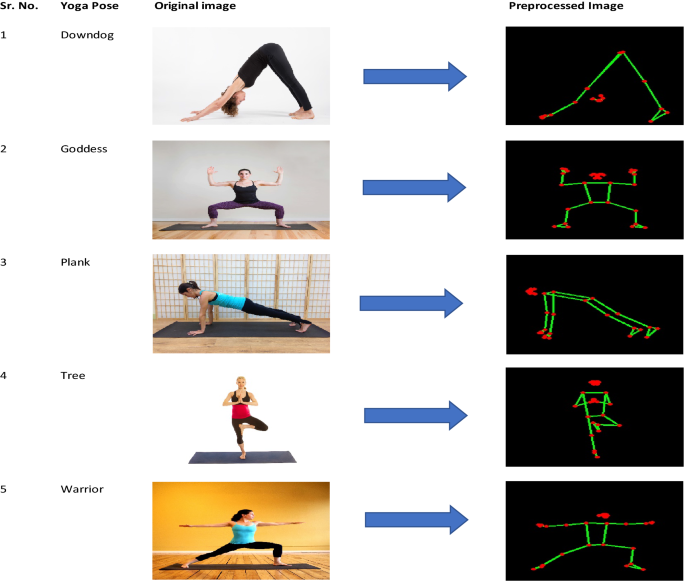
- Posture Correction: Smart mats and wearables indicate alignment issues during poses.
- Mental Focus: EEG headbands monitor attention during meditation.

⚙️ Modern Biofeedback Tools for Yogis
Wearables like Muse (EEG headbands) and HeartMath Inner Balance provide feedback on brainwaves and HRV. Smart mats, posture sensors, and breathing apps can guide adjustments for safer and more effective practice.
Tracking these metrics over time allows you to personalize your yoga routine, identifying which poses and breathing patterns maximize relaxation and focus.
🧩 Step-by-Step: Integrating Biofeedback Into Your Yoga
- Set an Intention: Focus on stress relief, posture, or mental clarity.
- Baseline Measurement: Record HRV or heart rate before practice.
- Observe During Practice: Track your physiological signals.
- Reflect Afterward: Compare data with how you feel.
- Adjust Practice: Modify poses or breathing based on insights.
💬 Frequently Asked Questions
1. Do I need special equipment?
No. Even a smartwatch or smartphone breathing app provides useful biofeedback for yoga practice.
2. Can biofeedback replace intuition?
Never. It supports intuition, allowing you to visualize internal states without replacing mindful awareness.
3. Is biofeedback suitable for beginners?
Yes. Beginners benefit greatly by seeing physiological responses to poses and breathing, helping develop awareness faster.
🌼 Conclusion
Biofeedback yoga bridges ancient wisdom and modern science. By monitoring heart rate, HRV, breathing, and focus, practitioners gain measurable evidence of inner calm, alignment, and mindfulness growth.
At YogaEndless, we design programs combining yoga, breathwork, and biofeedback techniques for measurable progress. Join YogaEndless today to start a data-driven, mindful yoga journey.