
Retreats
What Nobody Tells You About Coming Home After a Retreat
The retreat isn’t the hard part. The Tuesday after is.

In this article
Key takeaways
- Feeling flat or low after returning from a retreat or trip is a real, documented psychological response, not a sign anything went wrong.
- It happens because your brain compares your current moment to your most recent one, and the contrast can feel sharp.
- A “soft landing,” easing back in deliberately, shortens the low period significantly compared to diving straight back into your old pace.
- The goal isn’t to freeze the retreat in memory. It’s to carry small pieces of it into ordinary weeks.
Everyone talks about the retreat itself: the stillness, the mountains, the version of you that shows up by day three. Almost nobody talks about what happens six days later, when you’re back at your desk, the group chat has gone quiet, and that calm feels like it’s already slipping through your fingers. That part deserves just as much attention.
The drop nobody warns you about
You unpack your bag. You go back to work. And somewhere in the first week, a specific kind of flatness shows up, not sadness exactly, more like a hollow feeling that has nothing to do with being tired. If that’s caught you off guard before, you’re far from alone.
57%
of travelers report some degree of low mood on return
2 wks
typical window before the feeling naturally fades
48 hrs
the window that matters most for how you land
Why coming home actually feels this way
This isn’t just in your head, or rather, it is, but in a very specific and well-understood way. Post-vacation blues is a genuine psychological response to returning from a trip, typically bringing low mood, difficulty easing back into routine, and a lingering sense of flatness for a few days to two weeks. It happens because the brain doesn’t evaluate mood in absolute terms, it evaluates it relative to whatever you experienced most recently, so an ordinary Tuesday can feel unusually grey right after five days of stillness and mountain air.
The good news buried in that explanation: it’s not that your ordinary life suddenly got worse. It’s that your baseline for comparison shifted for a little while. That’s temporary, and it’s manageable.
Quick tip: If the flatness lingers well beyond two weeks, or comes with persistent low mood, appetite or sleep changes, or trouble functioning, it’s worth checking in with a doctor or therapist. That’s a different, more serious pattern than ordinary re-entry blues.
This doesn’t mean the retreat “didn’t work”
It’s tempting to read a post-retreat dip as proof the calm wasn’t real, or wasn’t going to last. It’s actually the opposite. Feeling the contrast this clearly means something in you did genuinely shift, enough that your regular pace now feels noticeably different by comparison. The dip is evidence the retreat worked, not evidence that it didn’t.
“The retreat gives you a taste of a different pace. The real work, and the real gift, is figuring out how to bring even ten percent of that pace home with you. That’s what actually lasts.” — Anjali Pandey, Founder, Yogaendless
How to give yourself a soft landing
Actively managing your return, rather than passively falling straight back into old patterns, meaningfully shortens how long the low period lasts. A few ways to do that:
Buffer your first day back. If you can, land on a Thursday or Friday rather than diving straight from retreat into a packed Monday.
Keep one small ritual from the retreat. Even five minutes of the breathing practice you learned, done at the same time each morning, keeps a thread connected.
Lower the bar for the first 48 hours. Unpacking and essentials only. Let everything else wait a day longer than feels urgent.
Name it if it comes. Simply recognising “this is the normal comedown, not a sign something’s wrong” takes a surprising amount of weight off it.
Carrying the retreat forward, not just remembering it
The goal was never to keep the retreat frozen as a perfect memory you occasionally revisit. It’s to let it quietly recalibrate your baseline, what you notice, what you tolerate, how quickly you catch yourself speeding up again. That’s a slower, less dramatic process than the retreat itself, but it’s the part that actually changes your ordinary weeks.
Planning your landing before you even go: Rooted 2.0
At Rooted 2.0, we talk about this openly with every group before the retreat ends, not just what you’re taking away, but how to actually land with it. Five days in Dunagiri, Uttarakhand, of daily asana, meditation, pranayama, and satvic meals, guided by Anjali Pandey, with real conversation about what comes after, not just what happens while you’re there.
The retreat matters. So does the week after.
Join Rooted 2.0 and leave with more than a memory. Early bird pricing is open until 20 August.
Explore Rooted 2.0FAQ
Is it normal to feel worse after a retreat than before it?
Feeling flat or a little low for a few days is common and usually temporary. It doesn’t mean the retreat failed, it often means your baseline genuinely shifted.
How long does the post-retreat dip usually last?
For most people, it fades within a few days to two weeks. If it persists well beyond that or significantly affects daily functioning, it’s worth speaking with a healthcare professional.
What’s the single best thing to do right after returning?
Keep your first 48 hours deliberately light, essentials only, and try to preserve one small practice from the retreat, even just a few minutes of quiet breathing each morning.
Does Rooted 2.0 help with this transition?
Yes. The final day includes guidance specifically on integration, practical, simple ways to carry the retreat’s pace into your ordinary routine.
Should I book another trip immediately to avoid the dip?
It’s tempting, but constantly chasing the next escape can avoid the more useful question of what your everyday life might be missing. Small, sustainable changes at home tend to serve you better long-term.
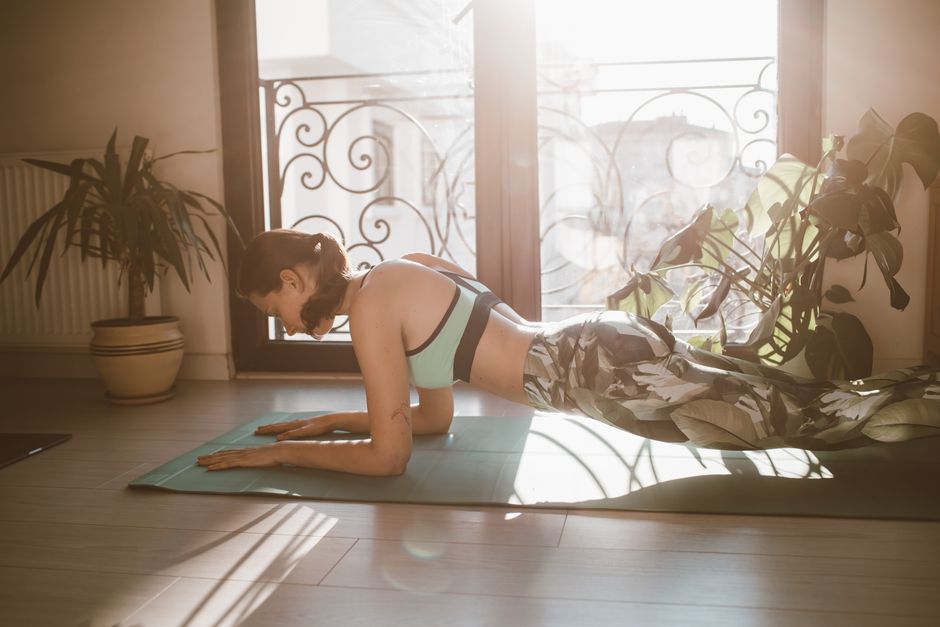
Here’s a look at the kind of calm we’re talking about:



Yogaendless is an online yoga studio led by Anjali Pandey, offering live group classes, private coaching, on-demand flows, corporate sessions, and retreats, with a physical home at Loft 52, Bandra, for anyone who wants to build strength, flexibility and calm, whatever their starting point.