
In this article
Key takeaways
- A home practice builds consistency, but immersion builds depth. Both matter, in different ways.
- Research on residential yoga and meditation programs points to measurable, lasting shifts in stress and mood, not just a nice few days away.
- You don’t need to choose between the two. The goal is to let one feed the other.
Most people who practice yoga do it in fragments. Twenty minutes before work. A class squeezed between errands. A video on a mat that’s also, half the time, a place to dump laundry. That’s not a failure of practice, it’s just how a home practice usually works, and it’s genuinely valuable. But every so often, something different happens: the fragments come together into days, and days into an unbroken rhythm. That’s what a retreat offers, and it’s worth understanding why it feels so different before deciding if it’s for you.

Why home practice can only take you so far
A home practice is limited less by effort and more by interruption. You’re never more than a few feet from a notification, a chore, or the next thing on the list. Research from the National Center for Complementary and Integrative Health notes that yoga may help improve general wellness by relieving stress, supporting good health habits, and improving mental and emotional health, sleep, and balance, but those effects tend to build gradually, through consistency, rather than arriving in a single session.
Tip: if you only have twenty minutes at home, protect them like an appointment. Phone in another room, door closed if you have one. Depth starts with distance from distraction, even in small doses.
The trouble is, home rarely offers enough distance. That’s not a criticism of anyone’s living room. It’s just the nature of a space that also has to be an office, a kitchen, a place to answer messages. An immersive setting removes that tension entirely, for a while.
What immersion actually changes
Time away from daily distractions is what allows a practice to settle in, rather than stay on the surface. A review of residential meditation and yoga programs published in a peer-reviewed journal found that immersive, structured environments produced reductions in anxiety and depression that persisted for several weeks after the retreat ended, which suggests the shift isn’t just the glow of a nice trip, it’s something that travels home with you.
Part of this comes down to structure rather than willpower. On a retreat, you’re not deciding whether to practice today. The day is built around it, morning asana, breathwork, stillness in the evening, so the practice happens whether or not motivation shows up. That’s a very different experience from home, where showing up is the whole battle.
Tip: notice which part of a retreat day appeals to you most, whether it’s the movement, the silence, or the community, and try building one small version of it into your week at home.
A day in the life, from mat to mountains
A retreat day tends to move in a rhythm rather than a rulebook, and it’s worth walking through what that can look like. At Rooted 2.0, our five day immersion in Dunagiri, Uttarakhand this November, the days follow a shape many practitioners find surprisingly easy to settle into.
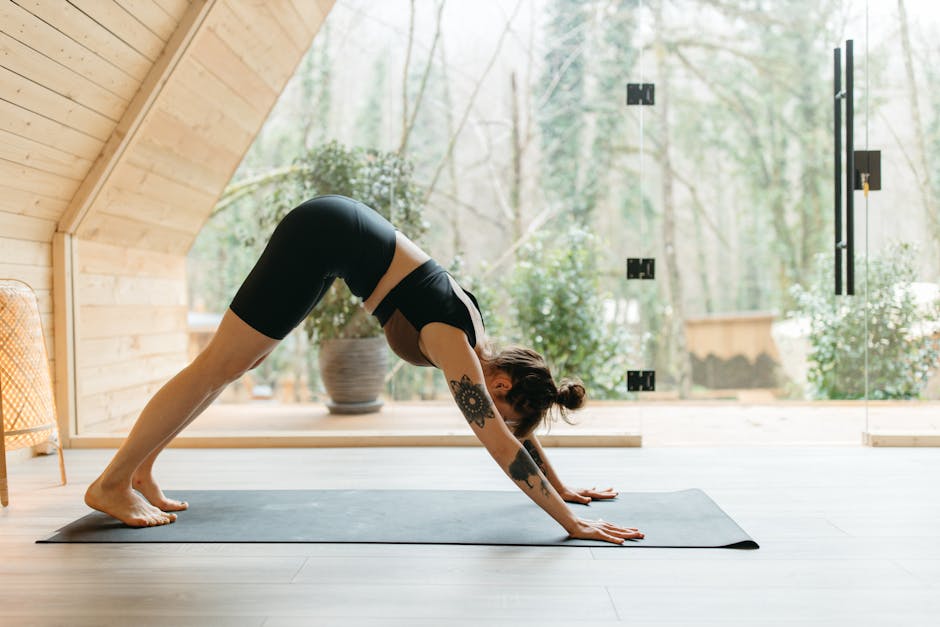
Morning begins in a yoga shala with a view straight into the pines, moving through asana before easing into meditation and pranayama. There’s no rushing to be somewhere else afterward, so the practice can actually finish instead of getting cut short.
Midday brings cleansing kriyas and a simple yoga anatomy lesson, followed by a satvic meal made from ingredients grown nearby. Eating without a screen in front of you changes the meal more than most people expect.
Afternoon moves outdoors, nature walks, hikes, and visits to sacred sites in the surrounding hills, including Mahavatar Babaji’s cave and the Neem Karoli Baba temple. Dunagiri has drawn seekers for generations as the birthplace of Kriya Yoga, and there’s something grounding about practicing in a place with that much history underfoot.
Evening slows further, stories, creative expression, and quiet time in a meditation pyramid as the light fades.
Night closes in silence and reflection, which, for most people used to falling asleep mid-scroll, is its own small practice.
None of this requires being especially flexible, fit, or experienced. It requires time, and a willingness to let a day be shaped by practice instead of squeezed around it.
“People often arrive expecting the retreat to be about the postures. By day two, they realise it was never really about that. It’s about what happens when you stop rushing between things and let one thing finish before the next begins.”
— Anjali Pandey
Bringing the retreat mindset home
The real test of any retreat is what’s left once you’re back in your own routine. You won’t have five uninterrupted days at home, most people don’t, but you can borrow the shape of one. A single unhurried morning practice, one meal a week without a screen, ten minutes of silence before bed. Small versions of the same ingredients: less rushing, more finishing.
Tip: pick one retreat habit, not five, and give it a fair trial for two weeks before adding another. Immersion works because it’s simple and repeated, and that principle holds at home too.
Some people find that a retreat becomes the anchor point they return to once or twice a year, a way of resetting a home practice that’s drifted, rather than a one time event. Others use it as the starting point for a practice they didn’t have before. Either way works.
Here’s a taste of what practice looks like on video, if you’d like to see it in motion before deciding what’s next for you.


Yogaendless is an online yoga studio led by Anjali Pandey, offering live group classes, private coaching, on-demand flows, corporate sessions, and retreats like Rooted 2.0, with a physical home at Loft 52, Bandra, for anyone who wants to build strength, flexibility and calm, whatever their starting point.
FAQ
Do I need retreat experience before attending one?
No. Retreats are generally designed to welcome complete beginners alongside experienced practitioners, though it’s always worth reading the schedule and checking in with the host if you have injuries or concerns.
How is a retreat different from a longer class?
A class is a block of time you fit around your day. A retreat restructures the day itself around practice, meals, movement, and rest, which is what allows things to settle in more fully.
Can I keep the benefits going once I’m home?
Many practitioners find that carrying home even one or two small habits, an unhurried morning practice, a quiet evening ritual, helps the shift last well beyond the retreat itself.
Is yoga a substitute for medical or mental health care?
No. Yoga can support wellbeing, but it isn’t a replacement for professional medical or mental health treatment. Always check with your doctor before starting a new practice if you have a health condition.
What if I can’t get away for several days?
A single day or even an afternoon of unhurried practice can still offer a smaller version of the same shift. It’s the principle of immersion that matters, not necessarily the length.