
How Slowing Down in Yoga Helps the Body Truly Release
In a world that constantly encourages speed, productivity, and intensity, slowing down can feel unfamiliar—even uncomfortable. Yet in yoga, true release happens when the body feels safe, supported, and unhurried. Gentle practices allow tension to melt away naturally rather than being forced out.
Why the Body Resists Force
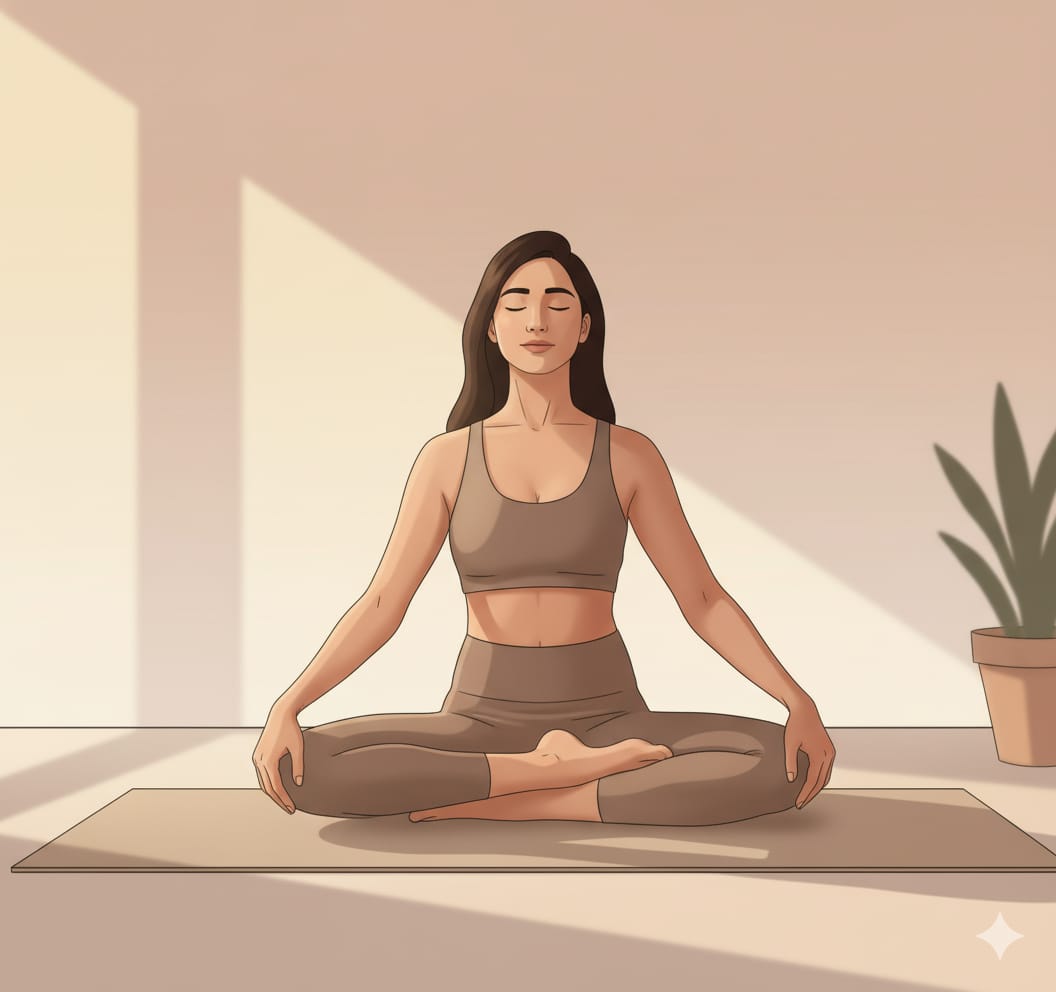
The human nervous system is designed to protect us. When movements feel rushed or aggressive, the body interprets them as a potential threat. Muscles respond by tightening, limiting range of motion, and holding tension—especially in vulnerable areas like the hips, hamstrings, and lower back.
Slowing down sends a signal of safety. When movements are gentle and breath remains steady, the body no longer needs to guard itself. This is when muscles soften, joints become more receptive, and release happens organically.
The Power of Beginning on the Ground
Starting yoga in seated or lying-down positions removes the pressure of balance and strength. This allows awareness to shift inward. Subtle movements such as knee circles and slow leg extensions gently reintroduce motion into the joints while maintaining comfort and ease.
Ground-based movements are especially supportive for beginners because they build confidence without overwhelming the body. The nervous system remains calm, making the practice feel nurturing rather than demanding.
Why Hips Need Patience, Not Pressure
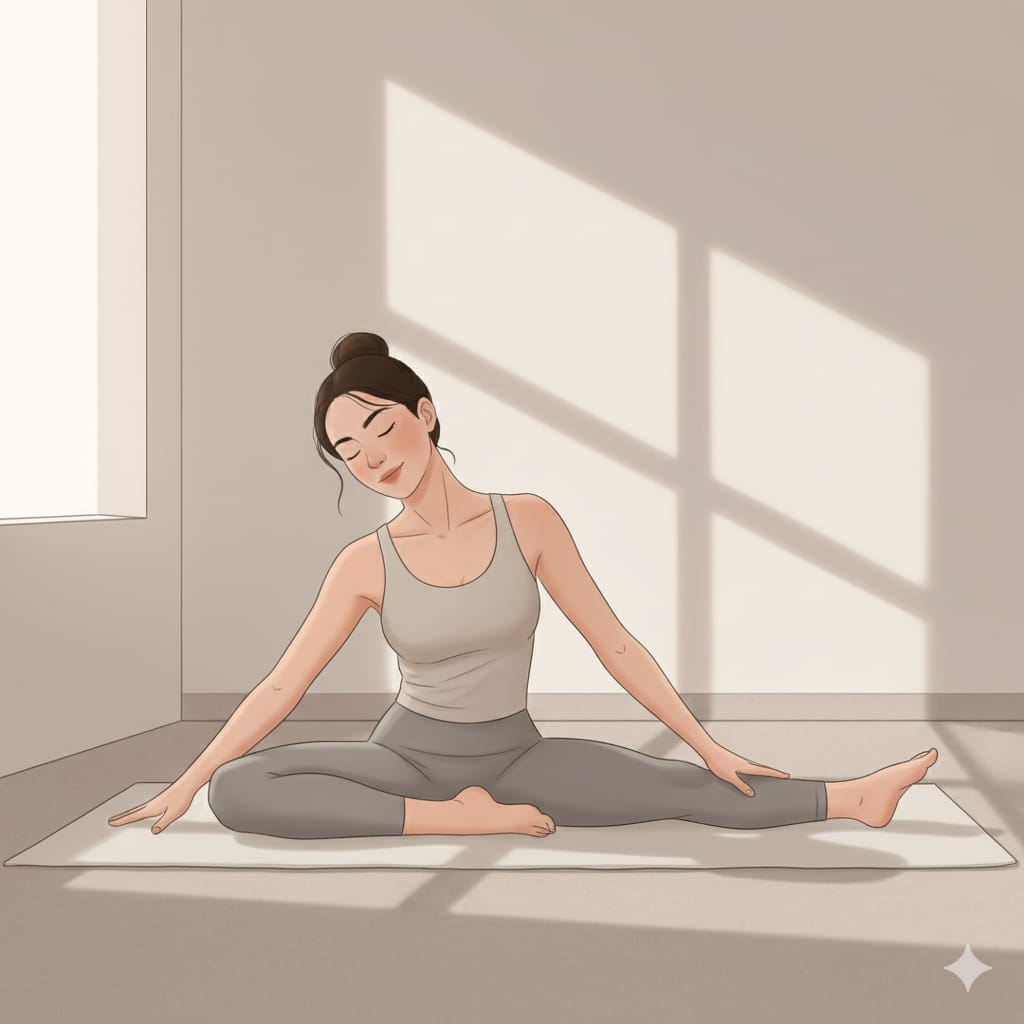
The hips are one of the most complex and emotionally sensitive areas of the body. They store long-held tension from daily habits such as sitting, stress, and unprocessed emotions. Forcing the hips open can cause resistance or discomfort.
Slow hip-focused stretches, like gentle figure-four variations, allow space to open gradually. Patience creates trust between the body and the mind, making deeper release possible over time.
Spinal Movement as a Nervous System Reset
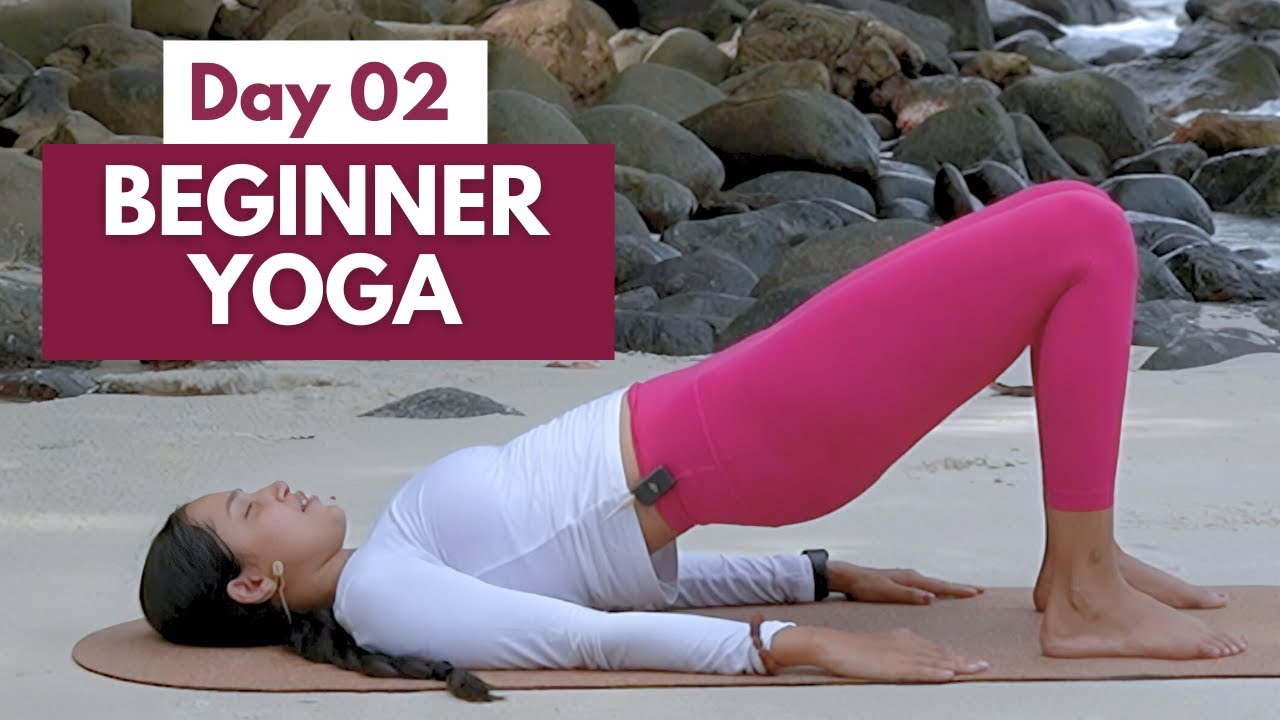
The spine plays a central role in both physical mobility and nervous system health. Gentle movements such as windshield wipers and slow bridge variations improve circulation along the spine while activating supportive muscles.
Unlike fast or forceful movements, these slow transitions help regulate the nervous system. The body learns that movement does not have to equal stress, which is especially valuable for those feeling fatigued or overwhelmed.
Breath as the Bridge Between Body and Mind
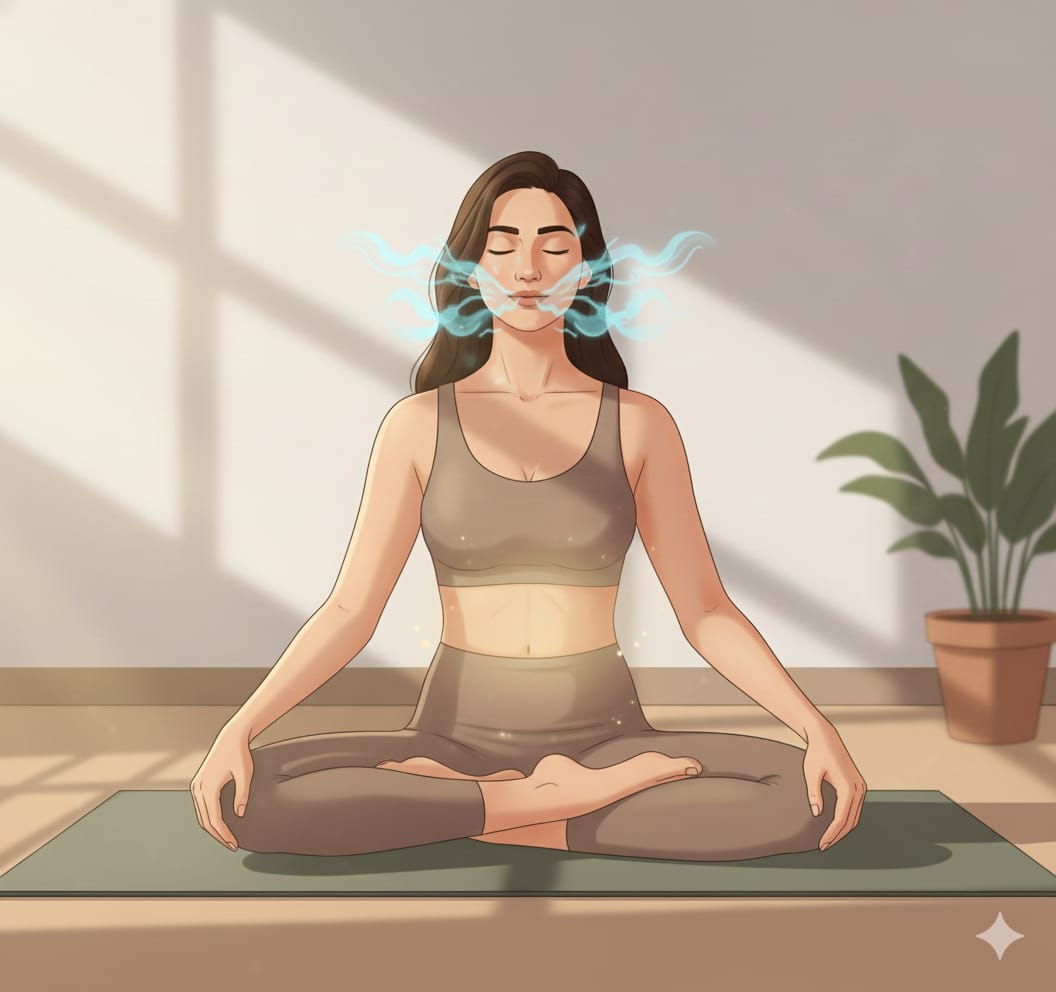
Breathwork, such as alternate nostril breathing (Nadi Shodhana), helps balance the nervous system by calming mental fluctuations. This practice supports clarity, emotional stability, and a deeper sense of presence.
When breath slows, the mind follows. This connection allows yoga to extend beyond physical movement and become a tool for emotional regulation and mental ease.
Why Kindness Builds Consistency
Practices rooted in kindness are easier to sustain. When yoga feels supportive rather than exhausting, returning to the mat becomes natural. Over time, gentle practices create resilience, mobility, and trust in the body.
Consistency grows from care, not pressure. This is the foundation of long-term well-being and mindful movement.
A Gentle Full-Body Practice by Yogaendless
This 15-minute yoga session offers a slow, grounding experience focused on hips, hamstrings, spinal mobility, and calming breathwork. It is designed for beginners and anyone seeking a softer, more mindful approach to movement.
 Explore Yogaendless