
How to Reduce Stress Naturally: Science Backed Methods That Actually Work
Stress is not just a feeling. It is a biological response. When the brain senses pressure, whether physical or emotional, it activates survival pathways. Heart rate increases. Muscles tighten. Breathing becomes shallow. While this response once protected us from danger, modern life triggers it repeatedly through deadlines, digital overload, social expectations, and constant stimulation.
The good news is that the body also carries built in mechanisms for recovery. Science shows that stress can be reduced naturally by activating the parasympathetic nervous system, often called the rest and restore state. The following methods are not trends. They are research supported practices that work with your biology rather than against it.
Slow Conscious Breathing
Breathing is the only autonomic function we can consciously control. When breath slows and deepens, it directly influences the vagus nerve, which signals safety to the brain. Studies show that slow diaphragmatic breathing reduces cortisol levels and stabilizes heart rate variability, a key indicator of stress resilience.
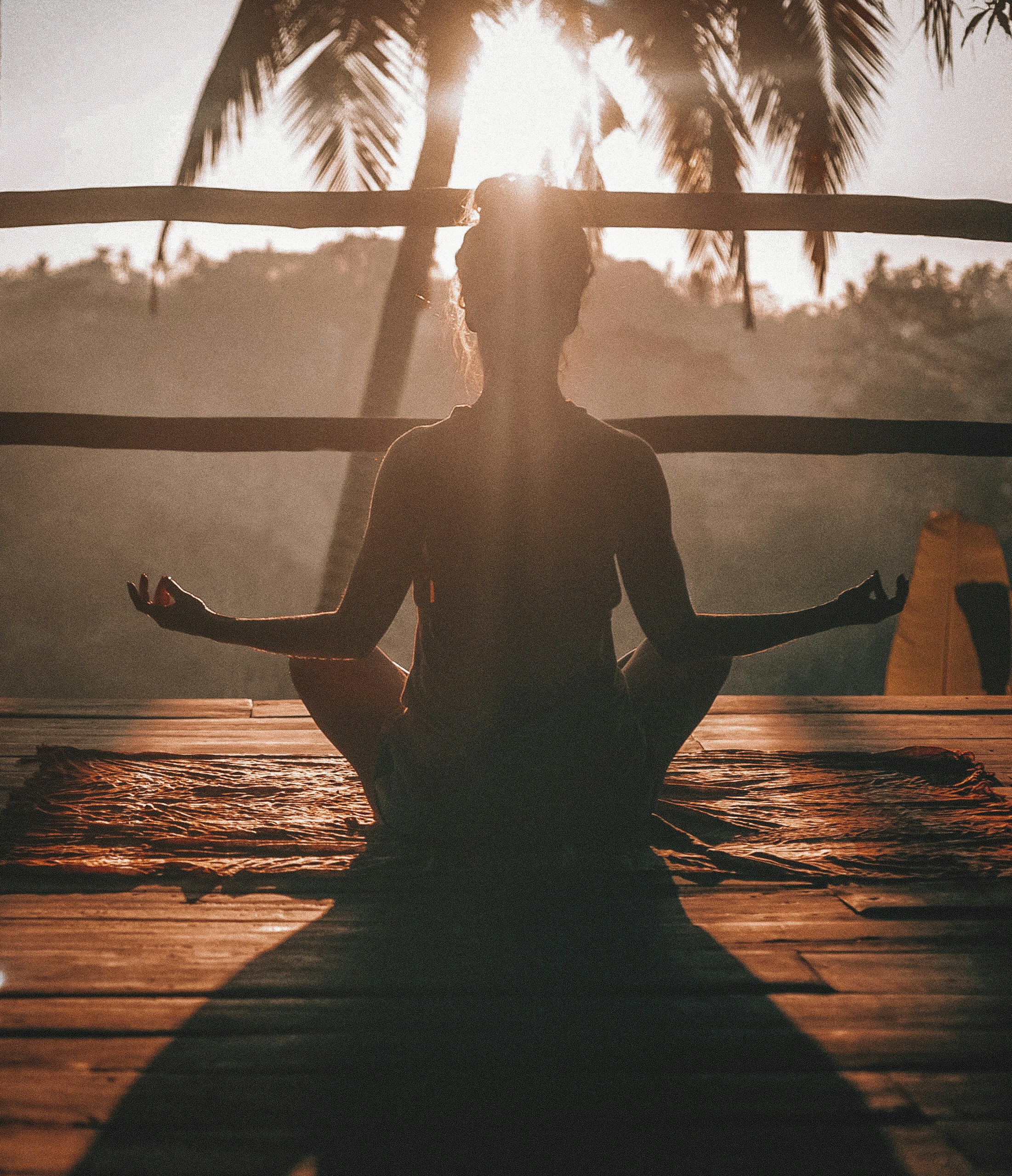
A simple method involves inhaling slowly through the nose, allowing the ribcage to expand gently, and exhaling slightly longer than the inhale. This extended exhale activates relaxation pathways. Just five minutes daily can significantly shift stress response patterns over time.
Gentle Mindful Movement
Physical tension and mental stress are deeply connected. Gentle yoga, stretching, or slow mobility exercises release stored muscular contraction while improving circulation. Research indicates that mindful movement reduces inflammatory markers and improves mood by regulating neurotransmitters such as serotonin and gamma aminobutyric acid.
Movement does not need to be intense. In fact, overstimulation can increase stress hormones. Slow, controlled movements combined with steady breathing create a calming neurological effect. The goal is not exhaustion but restoration.
Exposure to Natural Light and Nature
Natural environments reduce stress biomarkers. Studies demonstrate that spending time in green spaces lowers blood pressure and decreases cortisol. Even brief exposure to sunlight supports circadian rhythm regulation, improving sleep quality. Better sleep enhances emotional regulation and cognitive clarity.
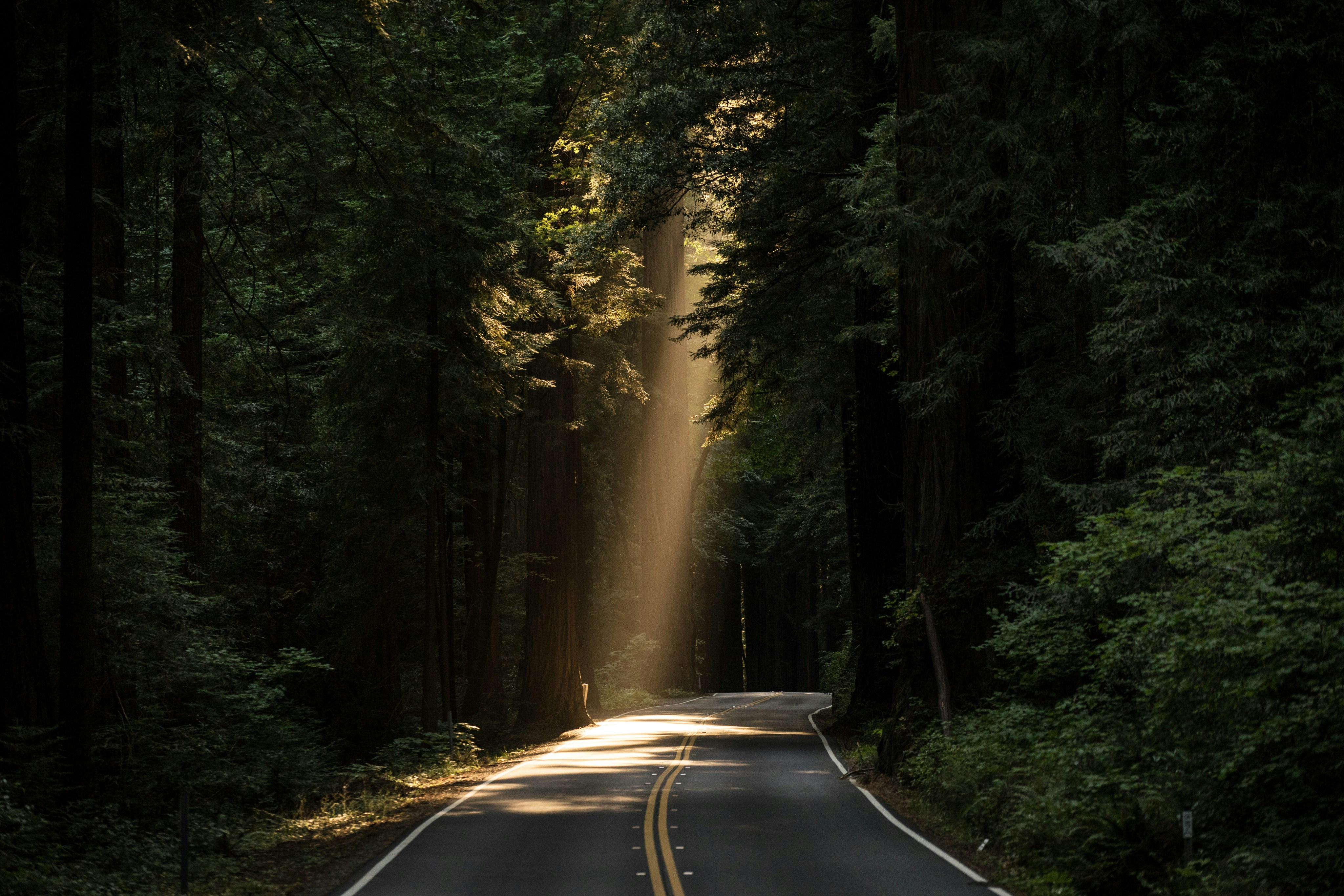
Walking outdoors without digital distraction amplifies these benefits. Observing natural patterns, trees, sky, and open space shifts attention away from mental rumination toward sensory grounding.
Structured Reflection and Gratitude
Chronic stress often stems from repetitive thought loops. Writing down reflections or expressing gratitude interrupts these cycles. Neuroscientific research shows that gratitude practices activate brain regions associated with reward and emotional regulation. This rewires perception toward stability rather than threat.
A simple nightly practice of noting three steady, positive experiences retrains cognitive focus gradually. Over time, this strengthens resilience pathways.
Restorative Stillness
Intentional rest allows the nervous system to recalibrate. Practices such as guided relaxation or quiet supine rest decrease sympathetic activation. Brain imaging studies reveal reduced activity in stress related regions during structured relaxation.

Stillness is not inactivity. It is integration. The body requires moments of calm to process stimulation and restore balance.
Stress reduction is not achieved through dramatic lifestyle changes. It emerges from consistent, small practices that communicate safety to the body daily. When breath slows, muscles soften, thoughts settle, and awareness deepens, the nervous system learns a new baseline. Over time, resilience becomes natural rather than forced.
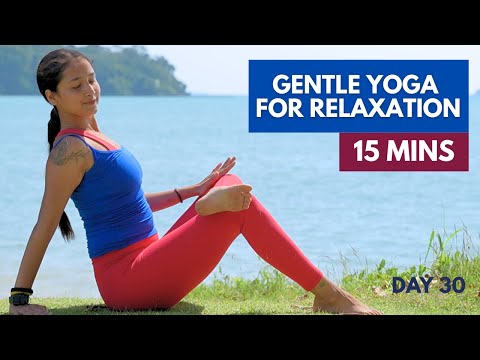
Experience a gentle guided session designed to calm your nervous system and restore internal balance.
Tap to practice this calming full body flow