In today’s fast-paced digital era, anxiety has become one of the most common mental health issues. The constant influx of notifications, social media comparisons, and screen time can overstimulate the mind. Yoga offers a holistic method to manage this anxiety by combining physical movement, mindful breathing, and meditation practices that help reduce stress, improve focus, and restore emotional balance.
Integrating yoga into daily routines not only improves mental clarity but also strengthens resilience against digital-age stressors. Along with lifestyle adjustments, yoga can transform anxiety into calm awareness, promoting overall mental wellness.
1. Understanding Digital Anxiety
Digital anxiety arises from overexposure to technology. People are constantly connected to their devices, which results in cognitive overload and heightened stress levels. Symptoms may include restlessness, irritability, poor sleep, and difficulty concentrating.
Additional effects of prolonged screen use include tension headaches, eye strain, and disrupted circadian rhythms. Over time, chronic stress from digital exposure can impair memory, mood regulation, and emotional resilience.

Illustration showing mental strain caused by digital overuse.
Yoga addresses these issues by activating the parasympathetic nervous system, which promotes relaxation and reduces the physiological effects of stress. Combining yoga with short breaks from screens and mindful practices enhances its effectiveness.
2. How Yoga Impacts Mental Health
Yoga positively affects both the body and mind. Regular practice reduces stress, improves emotional regulation, and supports better sleep quality.
- Stress reduction: Yoga lowers cortisol and calms the nervous system.
- Enhanced neuroplasticity: Improves emotional adaptability and focus.
- Improved sleep quality: Reduces insomnia and enhances restfulness.
- Mindfulness: Increases present-moment awareness, reducing mental chatter.
- Emotional balance: Combines movement and breath to stabilize mood.
Even short sessions of 20 minutes daily can improve concentration, reduce irritability, and boost overall mental clarity. Over time, yoga fosters long-term resilience to digital stress.
3. Breathing Techniques (Pranayama)
Breathing exercises are a core component of yoga and serve as powerful tools to combat anxiety. Controlled breathing helps regulate the autonomic nervous system, lowering heart rate and reducing stress.
Alternate Nostril Breathing (Nadi Shodhana)
This technique balances both hemispheres of the brain, calming the mind and improving focus. Practicing 5–10 minutes daily can significantly reduce mental fatigue.
4-7-8 Breathing
Inhale for 4 counts, hold for 7, exhale for 8. This method slows the heart rate and promotes deep relaxation, making it ideal before sleep or stressful situations.
Box Breathing
Equal inhalation, hold, exhalation, and hold counts help improve focus and mental clarity while calming anxiety.
Kapalabhati (Skull Shining Breath)
Rapid exhalations energize the mind and help release built-up tension. Practicing this daily can boost alertness and reduce mental clutter.
4. Yoga Poses for Anxiety Relief
Asanas release tension, improve circulation, and promote mindfulness. Key anxiety-relieving poses include:
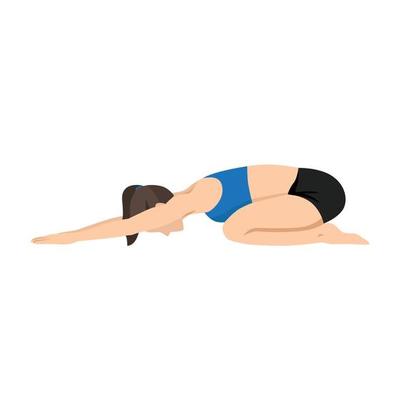
Child’s Pose (Balasana)
Child’s Pose induces deep relaxation and relieves stress.
Relieves tension in the back, neck, and shoulders. Helps the mind slow down and encourages introspection.
Legs-Up-The-Wall Pose (Viparita Karani)

Promotes blood circulation and relaxation.
Reduces fatigue, calms the nervous system, and enhances sleep quality. Practicing for 10–15 minutes daily is highly effective.
Cat-Cow Stretch (Marjaryasana/Bitilasana)
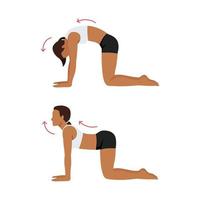
Relieves tension in spine and neck.
Combines movement and breath to release tension and improve flexibility. Encourages body awareness and relaxation.
Seated Forward Bend (Paschimottanasana)

Encourages calmness and mental clarity.
Stretches the spine and hamstrings. Stimulates the parasympathetic nervous system for emotional balance.
Bridge Pose (Setu Bandhasana)

Opens chest and heart, alleviates mild depression.
Releases tension in chest and shoulders. Improves oxygen flow and emotional resilience.
Tree Pose (Vrikshasana)
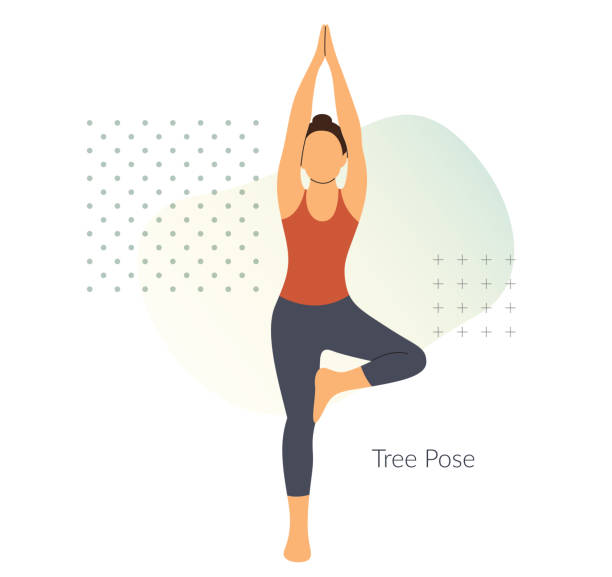
Enhances balance, focus, and grounding.
Improves concentration and mental stability. Supports calmness and self-confidence.
Supine Twist (Supta Matsyendrasana)
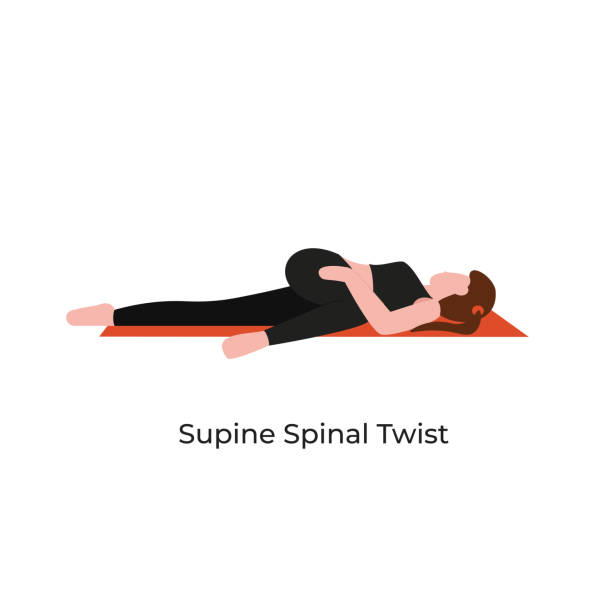
Detoxifies body and releases tension.
Releases physical and mental tension, detoxifies organs, and promotes relaxation.
5. Meditation & Mindfulness
Meditation complements yoga by quieting the mind and promoting focus. Practices include:
- Guided Meditation: Listening to recorded sessions to relax and focus.
- Body Scan Meditation: Awareness of body tension and release.
- Mindful Digital Detox: Reducing screen time with conscious observation.
- Visualization: Imagining calm and peaceful scenarios to ease anxiety.
6. Yoga for Emotional Regulation
Yoga supports emotional stability through physical poses, breathwork, and reflection. Techniques include:
- Journaling After Practice: Tracking mood changes and reflections.
- Mantra Chanting: Repeating calming phrases to focus the mind.
- Heart-Opening Poses (Camel, Cobra): Release pent-up emotions.
- Self-Compassion Exercises: Foster acceptance and patience with oneself.
7. Digital Mindfulness Practices
Reducing digital overload is key for anxiety management. Practices include:
- Device-Free Hours: Schedule daily breaks from screens.
- Mindful Social Media Scrolling: Pay attention to emotional responses.
- Blue Light Filters & App Limiters: Reduce strain and distractions.
- Morning Yoga Rituals: Start the day grounded and calm.
- Evening Restorative Yoga: Prepare mind and body for sleep.
8. Community & Online Classes
Yoga communities and online classes provide guidance, accountability, and support. YogaEndless offers interactive sessions, live classes, challenges, and forums for like-minded individuals to practice and discuss mental wellness strategies.
9. Nutrition & Lifestyle Synergy
Combining yoga with a balanced lifestyle enhances anxiety management:
- Omega-3, magnesium, and antioxidant-rich foods support brain health.
- Consistent sleep schedule improves emotional regulation.
- Movement beyond yoga: walking, stretching, or light exercises.
- Exposure to sunlight and nature supports mental clarity.
- Hydration and herbal teas aid in relaxation and detoxification.
10. Measuring Progress & Mental Health Improvements
- Mood Journals: Track emotional changes post-yoga practice.
- Digital Detox Logs: Note improvements in focus and calmness.
- Meditation Logs: Record meditation duration and quality.
- Yoga Achievement Tracker: Set goals and milestones.
- Monthly Reflection Notes: Observe trends and improvements.
Frequently Asked Questions
Q1: How often should I practice yoga for anxiety?
Daily practice of 20–30 minutes is recommended for optimal results.
Q2: Can yoga replace therapy or medication?
Yoga complements treatment but does not replace professional therapy or prescribed medication for severe anxiety.
Q3: Are online yoga classes effective?
Yes, especially with interactive guidance, community support, and consistent practice.
Q4: Which yoga poses are best for beginners?
Child’s Pose, Cat-Cow, Seated Forward Bend, and Legs-Up-The-Wall Pose are excellent starting poses for anxiety relief.
Conclusion
Yoga is a transformative practice to manage digital-age anxiety. Incorporating breathwork, meditation, postures, and lifestyle adjustments improves emotional resilience, focus, and mental clarity. YogaEndless provides guided online classes, interactive tools, and a supportive community to help individuals combat anxiety and thrive in the modern digital world.