
Mindful yoga is a holistic practice that emphasizes awareness, presence, and connection between mind and body. Unlike fitness-focused yoga, it encourages you to slow down, notice sensations, and focus on the breath while performing each posture.
Introduction to Mindful Yoga
Mindful yoga integrates physical postures, breathing exercises, and meditation. Practitioners learn to pay attention to body movements, thoughts, and emotions without judgment. This practice enhances mental clarity, reduces stress, and improves emotional balance.
Research indicates that consistent mindful yoga practice helps lower cortisol levels, improve attention span, and increase parasympathetic nervous system activity. Whether you're a beginner or advanced practitioner, mindful yoga nurtures a deep sense of inner peace and resilience.
Additionally, mindful yoga can help individuals manage chronic pain, reduce anxiety, and foster self-compassion. The focus on awareness allows you to observe tension and release it intentionally, leading to both mental and physical relaxation.
Benefits of Mindful Yoga
- Reduces stress and anxiety, promoting emotional balance
- Enhances focus, memory, and cognitive clarity
- Improves posture, flexibility, and physical balance
- Encourages mindful living and self-reflection
- Supports better sleep quality and relaxation
- Strengthens immune response and overall well-being
Each of these benefits contributes to a more harmonious life. By integrating mindfulness into yoga practice, you train your mind to stay present in every aspect of life, fostering calmness, clarity, and resilience.
Essential Mindful Yoga Postures
Child’s Pose (Balasana)

Child’s Pose is grounding and calming. Focus on gentle inhalations and exhalations while letting your body sink into the mat. Pay attention to tension in your back, shoulders, and neck and consciously release it. It’s an excellent posture to start or end a session with mindfulness.
Tree Pose (Vrikshasana)
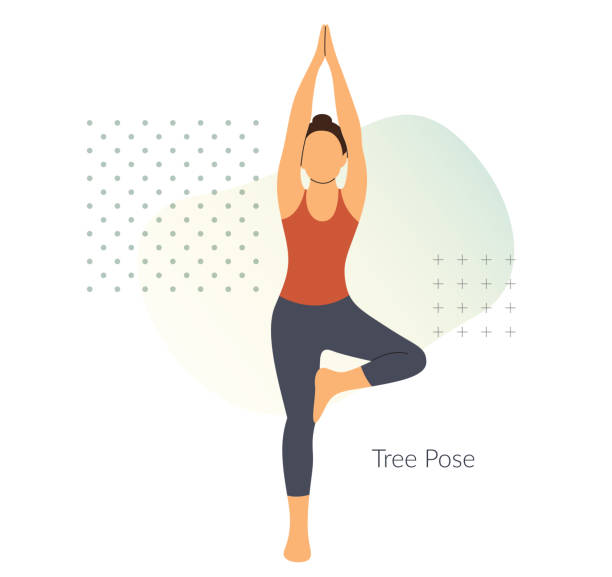
Tree Pose improves balance, focus, and concentration. Stand tall and shift your weight mindfully. Notice the engagement of your legs and core, and visualize yourself as a steady, rooted tree. This pose helps you cultivate both physical and mental stability.
Regular practice of Tree Pose also enhances self-awareness and emotional resilience, allowing you to remain calm and centered even in stressful situations.
Bridge Pose (Setu Bandhasana)
Bridge Pose strengthens the spine, opens the chest, and stimulates the nervous system. As you lift your hips, pay attention to each vertebra, noticing areas of tension. Focus on breath synchronization and muscle activation to deepen mindfulness and relaxation.
Downward Dog (Adho Mukha Svanasana)

Downward Dog stretches the entire body and enhances circulation. Pay close attention to the distribution of weight through hands and feet. Lengthen the spine mindfully, feeling the stretch along your hamstrings, shoulders, and back. This pose improves awareness and physical alignment.
Mindful Breathing Techniques
Diaphragmatic Breathing

Diaphragmatic breathing increases oxygen flow and calms the mind. Lie down or sit comfortably. Inhale deeply through your nose, expanding your diaphragm, and exhale slowly. Focus on sensations in your abdomen and chest, maintaining awareness of each breath.
This technique lowers stress hormone levels and helps maintain emotional balance throughout the day.
4-7-8 Breathing

Inhale for 4 seconds, hold for 7, and exhale for 8. Repeat mindfully. This breathing pattern slows the heart rate, calms the nervous system, and promotes restful sleep. It also reinforces mindfulness, bringing attention to each moment.
Bee Breath (Bhramari)

Bee Breath creates vibrations during exhalation, calming the mind and nervous system. Close your eyes, cover your ears lightly, inhale deeply, and exhale while producing a humming sound. Focus on vibration sensations and the sound to improve concentration and mental clarity.
Daily Mindful Yoga Routine
Start your day with 20–30 minutes of mindful yoga. Include:
- Gentle warm-up stretches
- Mindful postures like Child’s Pose, Tree Pose, and Downward Dog
- Focused breathing exercises for 5–10 minutes
- Meditation or body scan for 5–10 minutes
- Journaling reflections for 5 minutes
Consistency is key. Even a brief daily practice fosters long-term physical, emotional, and mental well-being.
FAQs
Q1: Is mindful yoga suitable for beginners?
Yes, beginners can start with basic postures and simple breathing exercises. Over time, awareness and mindfulness will deepen with practice.
Q2: How often should I practice?
Daily practice, even 10–20 minutes, is highly effective. Focus on quality and awareness rather than duration.
Q3: Can mindful yoga help with stress?
Absolutely. Mindful yoga lowers stress hormones, improves relaxation, and enhances emotional stability.
Conclusion
Mindful yoga is a complete lifestyle practice. By combining body postures, breathing, meditation, and awareness, it enhances physical health, mental clarity, and emotional balance. Begin your journey today with YogaEndless to cultivate calm, resilience, and holistic well-being.