
No One Talks About How Breathing Can Change Your Day

Breathing is the most constant activity in human life. It continues quietly in the background from the moment we wake until we fall asleep. Because it happens automatically, many people rarely think about it. Yet the way we breathe can influence energy, mood, focus, and even the way the body responds to stress throughout the day.
In yoga philosophy, the breath is considered a bridge between the body and the mind. When breathing patterns change, the internal state of the body begins to change as well. A calm breath often leads to a calm mind, while rushed breathing may quietly increase tension. This simple relationship is one of the reasons yoga places so much attention on breath awareness.
The Breath Reflects the State of the Mind
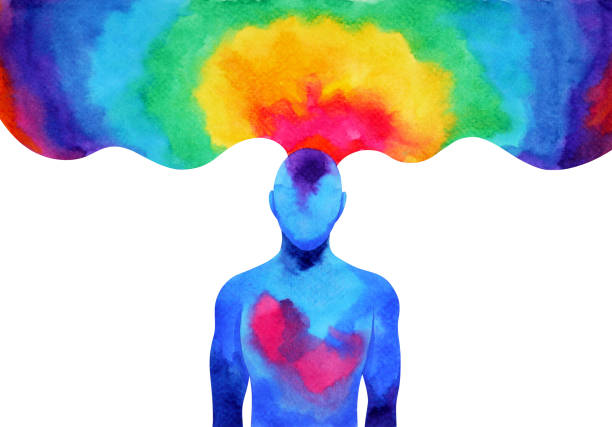
Breathing patterns naturally mirror emotional states. During stressful moments the breath tends to become short and shallow. When the body feels safe and relaxed, breathing slows and deepens naturally. These subtle changes happen without conscious effort.
By observing this connection, yoga encourages people to gently guide the breath instead of ignoring it. When breathing becomes slower and steadier, the nervous system receives signals that allow the body to release tension and settle into a calmer rhythm.
Breath Influences Energy and Focus
Many people experience sudden drops in energy during the day, especially when working for long hours. These moments are often blamed on fatigue alone, but breathing patterns can also play a role. Shallow breathing limits oxygen flow and may contribute to feelings of mental fog or restlessness.
Slow and conscious breathing can restore clarity by increasing oxygen circulation and calming internal pressure. Even a few minutes of steady breathing can gently reset the body’s rhythm and improve focus.
Breathing as a Daily Reset
The beauty of breath awareness is its simplicity. It does not require special equipment or a large amount of time. A quiet pause to observe breathing can create a small reset during busy moments. The shoulders soften, the jaw relaxes, and the body begins to feel more balanced.
Yoga practices often include simple breathing exercises that guide attention toward slower and deeper patterns. Over time this awareness may extend beyond the yoga mat and naturally influence how a person moves through the day.
The Nervous System Responds to Breath
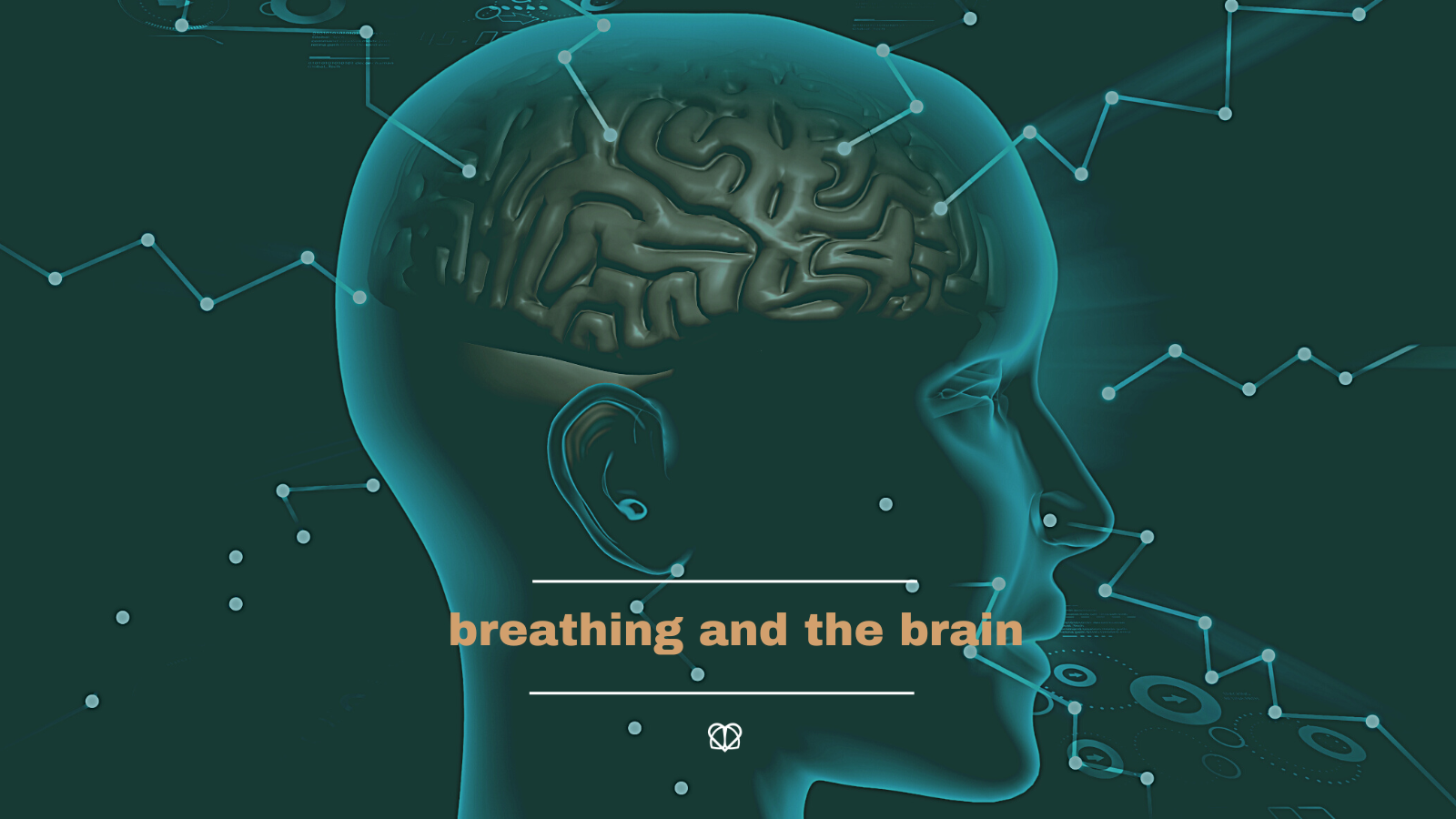
Modern lifestyles frequently activate the body’s stress response. Notifications, deadlines, and constant digital interaction can quietly keep the nervous system alert. Breathing patterns become part of this response.
Slow breathing activates calming signals within the nervous system. This shift can reduce physical tension, lower heart rate, and create a sense of steadiness. The body begins to move away from urgency and toward balance.
Bringing Awareness to Everyday Breathing
Yoga reminds us that the breath is always available as a quiet tool for balance. It can support moments of focus, calm anxious thoughts, or simply create space between one task and the next. This simple awareness often transforms ordinary moments into opportunities for restoration.
No dramatic effort is required. The body already knows how to breathe. Yoga simply invites us to notice it again and allow that natural rhythm to guide the day with a little more ease.
Yogaendless explores gentle practices that reconnect movement, breath, and awareness for a more balanced daily rhythm.
Explore mindful practices with YogaendlessSometimes the smallest actions have the deepest influence. Breathing is one of those quiet actions that shape how the body and mind move through the day. When attention returns to the breath, many other parts of life begin to settle naturally.