
In This Article
Key Takeaways
- Your body remembers more than you think, strength and flexibility tend to return faster than they were first built.
- Start slower than you want to, a week or two of gentle practice makes the return sustainable.
- Consistency of two to three short sessions a week beats one intense comeback class.

Your body hasn’t forgotten as much as it feels like it has. Whether your break lasted three weeks or three years, the path back to a steady practice is simpler, and kinder, than most people expect. Here’s how to rebuild without frustration, injury, or the guilt that so often keeps people off the mat longer than they need to be.
Why a break doesn’t erase your progress
It’s completely normal to feel like you’ve “lost” your practice after time away. Poses that once felt easy can suddenly feel foreign, and that mismatch between memory and current ability is often the hardest part of returning, more than any physical stiffness.
The science here is genuinely reassuring. Research on detraining and so-called muscle memory, reported by NPR, found that people who took time off from strength training regained their previous fitness level far faster than it took to build it the first time, and that this rebuilding happens at a cellular level, not just a mental one. Kevin Murach, an exercise scientist quoted in that reporting, describes it as reassuring news for anyone who has to step away from training for any reason. In other words, the consistency you built before your break is not wasted. It’s stored, waiting to be reactivated.
Tip: Instead of measuring your comeback against your old flexibility or stamina, measure it against last week’s practice. That’s the comparison that actually reflects your progress.
How to restart without overdoing it
Ease back in with shorter, gentler sessions before returning to your old pace. A week or two of slow, simple flows, even just 15 to 20 minutes, gives your body-mind time to reconnect before you ask it to keep up with a faster class again.
This isn’t about starting completely from zero. It’s about giving your nervous system, not just your muscles, a chance to remember how to move with ease rather than strain.

Rebuilding strength and breath control
Core strength and breath control tend to fade fastest, and rebuild fastest too. If you can hold a plank for even 15 to 20 seconds when you first return, that’s a fine starting point, not a sign you’ve fallen far behind. Add a few seconds each week rather than pushing for your old personal best in one session.
Tip: Pair your first few sessions back with a few rounds of slow sun salutations, focusing purely on keeping your breath even. Strength returns faster when the breath leads the movement rather than the other way round.
Letting go of comparison
The single biggest obstacle to a good comeback usually isn’t physical, it’s mental. Comparing this week’s practice to the one you had a year ago tends to create discouragement that has nothing to do with your actual capability. Try noting, without judgment, where you are today, and build from there.
Knowing when you’re ready for more
Once a few weeks of gentle, consistent practice feel comfortable again, is a good time to consider stepping back into a more structured, intermediate-level flow. A program with fixed dates and live guidance, like our BENDY sessions, can actually help rebuild consistency faster than practicing alone, since the accountability of a scheduled class often does what willpower alone struggles to sustain.
If you’re not sure whether you’re ready for an intermediate pace again, a simple check is whether you can comfortably hold a plank for around 30 seconds and move through sun salutations without needing constant cues. If you’re close but not quite there, a week or two more of gentle home practice usually closes that gap.
“The students who come back after a break are often more mindful than the ones who never stopped. They listen to their bodies instead of assuming. That’s not a setback, that’s actually a strength.”
— Anjali Pandey
Frequently Asked Questions
How long does it take to rebuild flexibility after a break?
It varies by person and by how long the break was, but many practitioners notice a meaningful return within two to four weeks of consistent, gentle practice.
Is it normal to feel sore after returning to yoga?
Mild soreness is common and usually settles within a few days. Sharp or lasting pain is different, and worth mentioning to a teacher or doctor.
Should I jump straight back into an intermediate class?
It’s usually gentler on your body and your motivation to spend a week or two in a slower practice first, then step back up once movements feel familiar again.
What if I have an injury or health condition since my last practice?
Always check with a doctor or physiotherapist before resuming, and let your teacher know so your practice can be adjusted safely.
How often should I practice while rebuilding?
Two to three sessions a week tends to be more sustainable, and more effective, than one intense session followed by another long gap.
Whatever brought you away from your mat, the door back is simpler than it feels from the outside. Come as you are, and build from there.
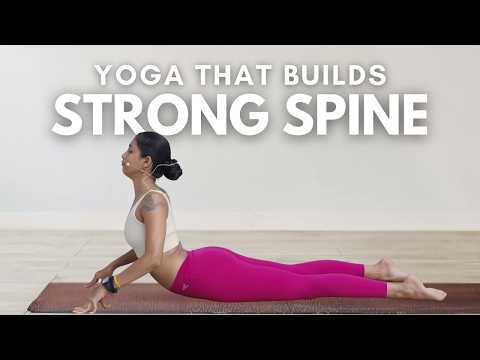
Looking for a gentle way back in? Here are a few of our latest practice videos to ease you back onto the mat.


About Yogaendless
Yogaendless is an online yoga studio led by Anjali Pandey, offering live group classes, private coaching, on-demand flows, corporate sessions, and retreats, with a physical home at Loft 52, Bandra, for anyone who wants to build strength, flexibility and calm, whatever their starting point.