
Relieve Lower Back Pain Naturally with These Gentle Yoga Poses
Your lower back is asking for softness, not strength. Let yoga be your answer.
Lower back pain is one of the most common reasons people abandon their active lives — and one of the most responsive to the right kind of movement. Whether it's a dull ache from sitting too long, stiffness that greets you every morning, or tension that flares after a long day, your back is not broken. It's simply asking for attention. Gentle, targeted yoga can release deep muscular tension, restore spinal mobility, and build the core awareness that keeps pain from coming back.
🌿 Remember: Lower back pain is almost always a signal of tightness and weakness together — yoga addresses both by lengthening what's contracted and gently strengthening what's been neglected.
What's Actually Causing Your Lower Back Pain
Most lower back pain isn't caused by a single injury — it builds quietly over time. Prolonged sitting shortens your hip flexors and switches off your glutes, leaving your lumbar spine to do all the work. Add stress (which causes us to hold tension in the lower back), weak core muscles, and poor posture, and the stage is perfectly set for chronic aching.
The good news? These causes are all moveable. Yoga works on the whole chain — stretching the hip flexors and hamstrings, activating the deep stabilisers, and releasing the bracing pattern your nervous system has learned. You don't need to "fix" your back. You need to move it wisely.
6 Gentle Yoga Poses for Lower Back Relief
Hold each pose for 5–10 slow, deliberate breaths. Move into them gently — sensation is welcome, pain is not:
- Cat-Cow (Marjaryasana-Bitilasana) — The single best warm-up for a stiff back. Syncs breath with spinal movement and lubricates every vertebra.
- Child's Pose (Balasana) — Wide knees, arms forward, forehead down. Passively lengthens the entire lumbar spine with zero effort required.
- Low Lunge (Anjaneyasana) — Opens the hip flexors (psoas), which when tight pull the lower back into compression. A revelation for desk workers.
- Supine Twist (Supta Matsyendrasana) — Lying on your back, let one knee fall across your body. Wrings out tension from the entire spinal column.
- Bridge Pose (Setu Bandha) — A gentle backbend that activates the glutes and teaches the lower back to be supported, not strained.
- Thread the Needle — A rotational shoulder-and-upper-back opener that releases the chain of tension reaching into the lower back.
▶ WATCH & FLOW
Gentle Yoga Flow for Lower Back Relief
Follow this calming guided session — move at your own pace, breathe into the tight spots, and let your lower back finally begin to let go.
Follow along. Breathe. Let your body lead.
More guided flows at Yogaendless.
The Role of Core Strength in a Pain-Free Back
A strong core isn't about six-pack abs — it's about deep stability. The transverse abdominis, pelvic floor, and multifidus muscles form a natural corset around your spine. When these are weak or disengaged, your lower back compensates and overworks. Yoga builds this deep core beautifully — every Warrior, every Plank, every balance pose teaches your stabilisers to fire correctly.
Even in restorative poses, you're training core awareness. Noticing when your lower back flattens versus arches, finding the neutral pelvis — these micro-adjustments are the real work, and yoga teaches them far better than crunches ever could.
Daily Habits That Protect Your Lower Back
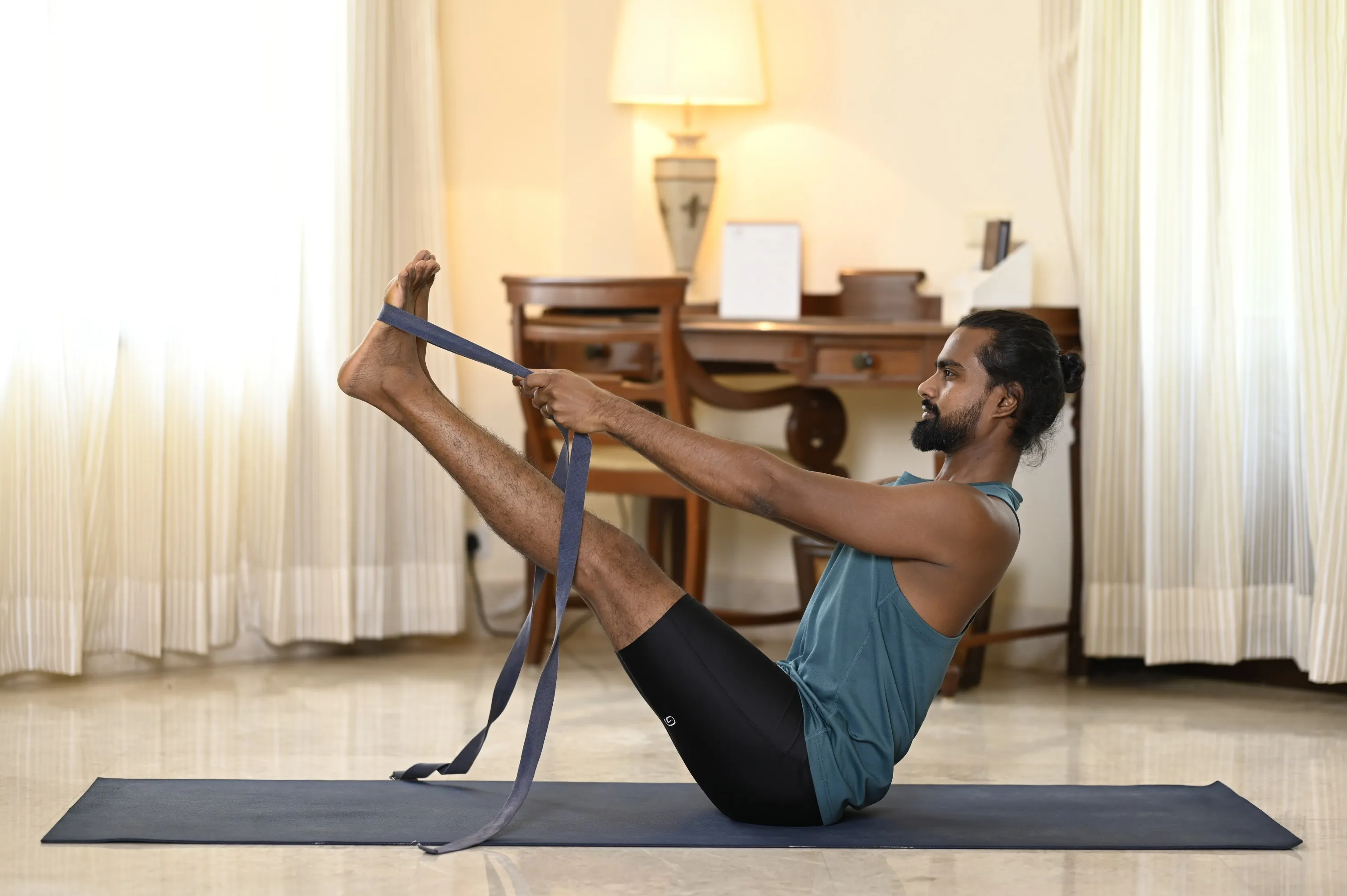
Your yoga mat is only one part of the picture. What you do the other 23 hours matters just as much. Small shifts in your daily habits can dramatically change how your back feels:
- Stand up every 45 minutes — Set a timer. Even a 2-minute walk resets the hip flexors and prevents the slow compression of sitting.
- Sleep with a pillow between your knees — If you're a side sleeper, this keeps your pelvis neutral and takes tension off the lumbar spine overnight.
- Check your chair setup — Hips slightly higher than knees, feet flat on the floor, lumbar supported. Most back pain is a furniture problem in disguise.
- Morning Cat-Cows before coffee — Just 10 rounds before you get out of bed costs nothing and sets your spine up for the whole day.
🧘 Mindful Back Check-In
Your lower back has been carrying a lot — the weight of your daily life, your stress, your hours of stillness. A gentle yoga practice is one of the most profound acts of gratitude you can offer it. Start small, stay consistent, and trust that the body you have right now is already capable of healing. One pose, one breath, one kind choice at a time.
🌿 YOGAENDLESS ONLINE CLASSES
Your Mat. Your Time. Your Practice.
Join Yogaendless for live group classes, private sessions & on-demand flows — beginner-friendly and built for real life. No experience needed. Just show up.
✦ Live & On-Demand
✦ All Levels Welcome
✦ Group & Private Classes
✦ Practice Anywhere
Explore Classes at Yogaendless →
Your back doesn't need pushing — it needs listening. Roll out your mat, move slowly, and let each breath carry you a little closer to ease.
▶ WATCH & FLOW
Gentle Yoga Flow for Lower Back Relief
Ready to move? Press play and let this guided flow bring some long-overdue softness to your lower back.
Follow along. Breathe. Let your body lead.
More guided flows at Yogaendless.