Modern life rarely allows the body to fully settle. Even during moments of rest, the nervous system often stays alert, shaped by constant stimulation, deadlines, and mental load. Restorative yoga offers a gentle return to safety, helping the body remember how to rest without effort. This practice is not about stretching deeper or doing more. It is about slowing down enough to heal.
Beginning in Stillness and Breath Awareness
The practice opens lying on the back, where the body is completely supported by the floor. This position naturally reduces muscular effort and invites the nervous system to soften. Awareness is guided toward the breath, not to change it, but simply to notice it. This observation alone begins calming stress pathways. The chanting of Om adds vibration that further quiets mental activity.
Setting Intention Through Gratitude
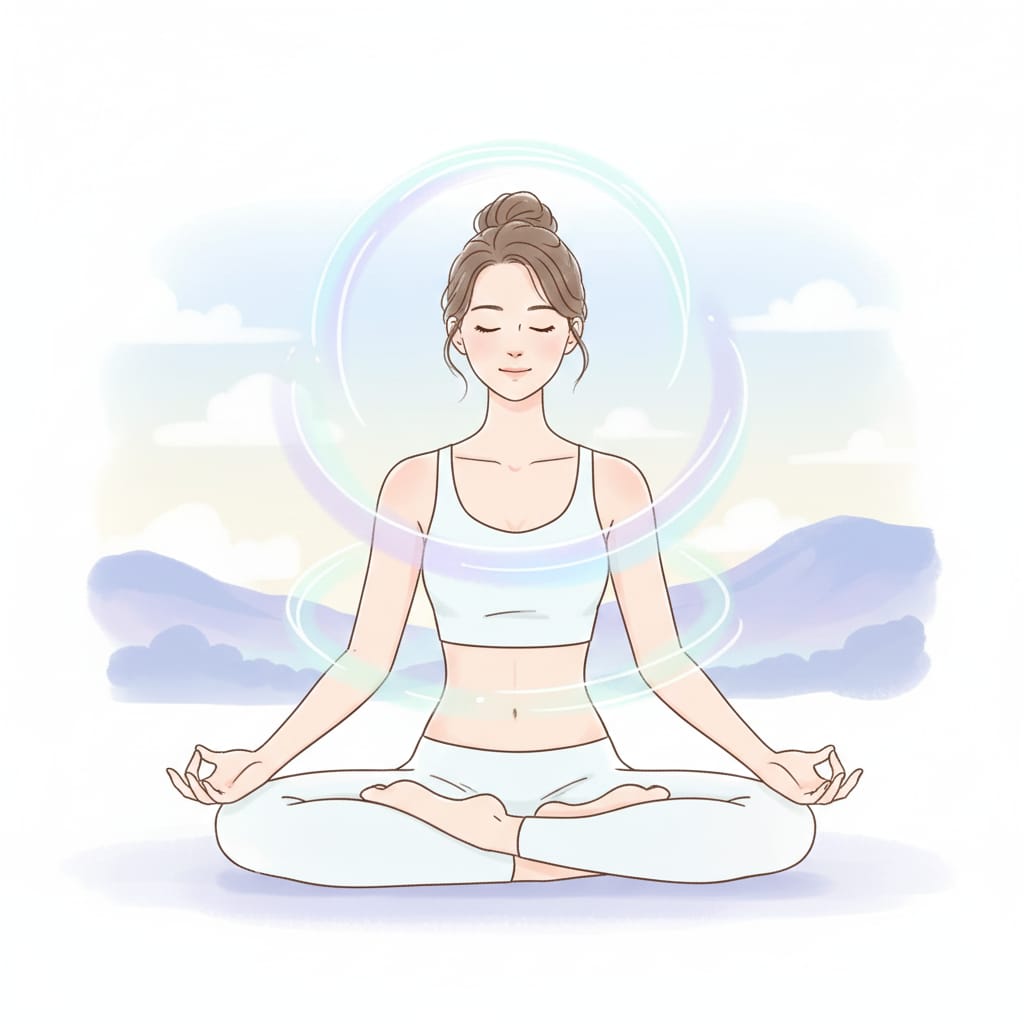
Intention setting in restorative yoga is subtle and reflective. Gratitude for the body, breath, and surroundings helps create emotional grounding. Gratitude signals safety to the nervous system, making it easier to release tension. This moment becomes the emotional anchor of the entire practice.
Gentle Hip and Spine Movements
Slow knee circles and pendulum-like hip movements gently massage the joints and lower spine. These areas often carry stress from prolonged sitting and inactivity. The slow rhythm encourages release rather than force, restoring circulation while maintaining calm.
Modified Bridge and Supported Strength
The modified bridge pose restores spinal awareness while maintaining a sense of support. Lifting the spine gradually encourages strength without strain. This controlled movement builds trust in the body, especially for those recovering from fatigue or stress.
Gentle Compression and Release
Knee-to-chest movements offer gentle compression to the abdomen and lower back, supporting digestion and spinal decompression. These shapes create a feeling of containment and comfort, which can be deeply calming for the nervous system.
Seated Mobility and Butterfly Flow
Seated movements reintroduce gentle activity without disrupting calm. Butterfly pose with subtle spinal motion invites softness and length. Flexibility emerges naturally when the body feels safe, rather than pushed.
Chaki Chalan and Integrated Movement
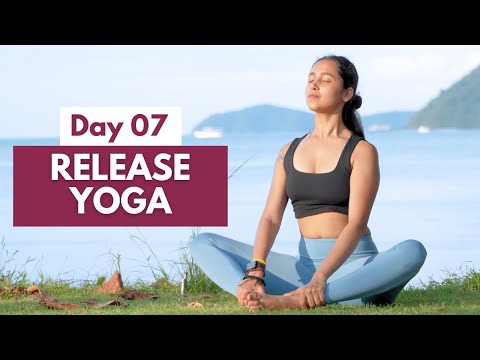
Chaki Chalan introduces circular movement through the torso and hips. This integrated action improves mobility and digestion while maintaining a meditative pace. The circular rhythm helps balance energy and awareness.
Brahmari Pranayama and Deep Rest
The practice closes with Brahmari pranayama, where gentle humming stimulates the vagus nerve. This breath naturally reduces anxiety and mental noise. Final relaxation allows the body to fully absorb the practice. Here, rest becomes restorative rather than passive.
With time, restorative yoga becomes less about the poses and more about permission. Permission to slow down, to listen, and to recover. Yoga then evolves into a lifelong companion that supports balance both on and off the mat.