
Self-Care Ideas at Home Including Yoga: The Ultimate Guide
Self-care is more than a trend; it’s a necessary practice for modern living. When life gets overwhelming, dedicating intentional time for mental, physical, and emotional well-being helps you restore balance, focus, and inner peace. This guide will cover over 50 self-care strategies, including yoga routines, mindfulness exercises, relaxation techniques, and creative habits that you can implement at home.
1. Understanding Self-Care at Home
Self-care begins with awareness. Notice how your body and mind respond to stress. Are you fatigued, anxious, or unmotivated? A self-care journal allows you to log daily feelings, energy levels, sleep quality, and triggers. Over time, this log becomes a roadmap to improve habits and prioritize restorative activities.
2. Yoga: The Core of Home Self-Care
Yoga combines movement, breath control, and mindfulness. Practicing yoga daily can reduce stress, improve sleep, enhance flexibility, and boost mood. It is accessible to all ages and fitness levels.
Beginner Yoga Poses
- Mountain Pose (Tadasana): Improves posture and focus.

Mountain Pose: Stand tall, focus on breath, and align your posture.
- Cat-Cow Stretch (Marjaryasana/Bitilasana): Relieves spinal tension and improves mobility.

Cat-Cow Stretch: Flow between back arch and rounding to increase flexibility.
- Child’s Pose (Balasana): Promotes relaxation and reduces stress.

Child’s Pose: Rest and stretch your back, shoulders, and hips.
- Downward-Facing Dog (Adho Mukha Svanasana): Strengthens arms, legs, and spine, improving circulation.
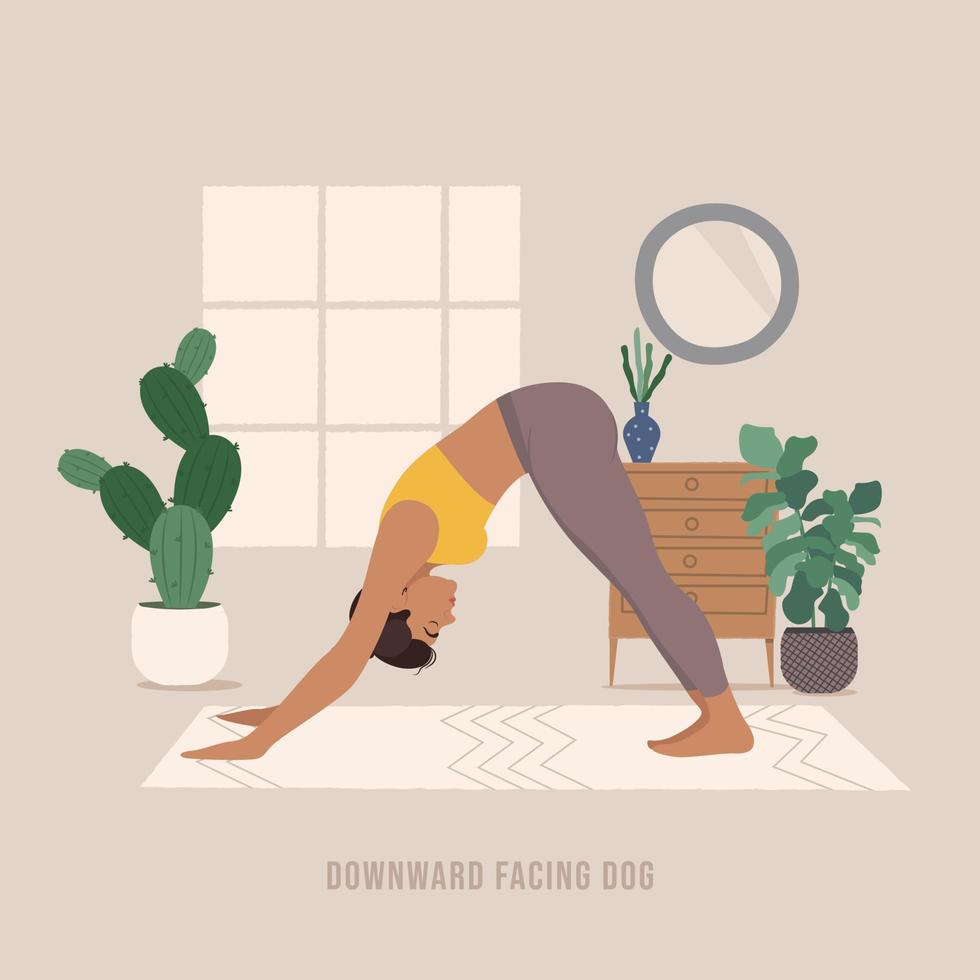
Downward-Facing Dog: Boost energy and circulation while stretching muscles.
- Corpse Pose (Savasana): Deep relaxation and mental reset.

Savasana: End your session lying down to restore mind-body balance.
Yoga Breathing Techniques
Incorporate pranayama (breathing exercises) into your routine:
- Deep Belly Breathing: Expand the diaphragm for stress relief.
- Alternate Nostril Breathing: Balances nervous system and calms the mind.
- Box Breathing: Inhale-4s, hold-4s, exhale-4s, hold-4s to improve focus.
3. Mindfulness and Meditation
Mindfulness practices increase awareness, reduce anxiety, and improve concentration. Start small:
- Daily 5–10 min breathing exercises
- Body scans to release tension
- Gratitude journaling
4. Home Spa and Relaxation
Create a calming space using warm baths, aromatherapy, and face masks. Ingredients like honey, yogurt, and turmeric improve skin health. Soft music and candles enhance the spa experience.
5. Nutrition and Hydration
Consume fresh fruits, vegetables, whole grains, and stay hydrated with 8–10 glasses of water. Avoid excessive caffeine and sugar. Meal prep helps reduce stress and supports long-term wellness.
6. Creative Self-Care
Engage in activities like painting, journaling, dancing, or music. These release stress, stimulate the brain, and foster self-expression.
7. Physical Activity Beyond Yoga
Light workouts, stretching, or daily walks improve energy, flexibility, and circulation. Even 15 minutes daily makes a difference.
8. Digital Detox and Mindful Screen Use
Limit screen time to reduce anxiety. Schedule no-screen hours and replace scrolling with reading or meditation.
9. Sleep as Self-Care
Maintain a sleep routine, avoid screens before bed, and create a calm environment. Pre-sleep stretches or meditation improve rest quality.
10. Emotional Self-Care
Connect with loved ones, set boundaries, and practice self-compassion. Reflecting on emotions and journaling prevent burnout and build resilience.
11. Decluttering and Home Organization
Cluttered spaces create mental clutter. Organize one area at a time, donate unused items, and keep plants to boost calm and positivity.
12. FAQs
When is the best time for yoga at home?
Morning energizes the body, while evenings relax the mind. Consistency matters more than timing.
How can I stay motivated?
Use journals, habit trackers, and reward systems. Mini-challenges like “7-day yoga streak” encourage consistency.
Does meditation reduce anxiety?
Yes. Daily mindfulness practice lowers stress hormones and enhances emotional regulation.
13. Conclusion
Self-care at home is essential for mental, physical, and emotional well-being. YogaEndless offers guided yoga routines, mindfulness exercises, and wellness tips to help you prioritize self-care every day. Start today and transform your home into a sanctuary of peace and health.
Explore YogaEndless for expert guidance and structured self-care programs.