
Simple Yoga Exercises to Improve Your Posture: A Complete Guide
Maintaining proper posture is vital for health, confidence, and energy. Poor posture can result in chronic back pain, neck stiffness, fatigue, and even digestive issues. Modern lifestyles with extended sitting, screen use, and limited physical activity contribute to misalignment and muscle weakness.
Yoga is an effective solution, offering a combination of **strengthening, stretching, and mindfulness exercises** that enhance spinal alignment and postural awareness. By practicing these simple yoga exercises consistently, you can improve your posture, reduce pain, and build a confident and energetic presence.
Why Posture Matters
Good posture distributes body weight evenly, reduces strain on muscles and ligaments, and optimizes breathing and digestion. Slouching or forward head posture compresses the lungs, reduces oxygen intake, and increases fatigue. Chronic poor posture can even lead to rounded shoulders, pelvic tilt, and spinal misalignment.
Yoga strengthens the muscles supporting the spine, promotes flexibility in tight areas, and enhances awareness of body alignment. By combining **physical practice with mindful observation**, yoga helps maintain proper posture both during exercise and daily activities such as sitting, standing, or walking.
Simple Yoga Exercises for Better Posture
1. Mountain Pose (Tadasana)

Mountain Pose strengthens thighs, opens the chest, and aligns the spine for upright posture.
Stand with feet hip-width apart, distribute weight evenly, engage thighs, lift chest, roll shoulders back, and hold 5–10 breaths. This foundational pose trains the body to maintain proper alignment during daily activities.
2. Cat-Cow Stretch (Marjaryasana-Bitilasana)

Cat-Cow stretch improves spinal flexibility and reduces tension from prolonged sitting.
Start on all fours, inhale into Cow Pose (arch spine), exhale into Cat Pose (round spine). Repeat 10–15 times. This movement lubricates spinal joints, improves mobility, and reduces stiffness from desk work.
3. Downward-Facing Dog (Adho Mukha Svanasana)

Downward Dog stretches the spine, hamstrings, and shoulders, helping to realign posture.
Lift hips toward the ceiling, forming an inverted V. Press heels down and lengthen the spine. Hold for 5–10 breaths. Ideal for counteracting forward slouching from screen use.
4. Cobra Pose (Bhujangasana)

Cobra Pose opens the chest and strengthens back muscles, reducing slouching.
Lie face down, palms under shoulders, lift chest while keeping elbows slightly bent. Hold 15–30 seconds. Focus on chest opening rather than height to prevent lower back strain.
5. Bridge Pose (Setu Bandhasana)

Bridge Pose strengthens glutes, core, and lower back for improved spinal alignment.
Lie on back, knees bent, lift hips, clasp hands under body. Hold 20–30 seconds. This pose improves pelvic alignment and alleviates lower back pain caused by prolonged sitting.
6. Plank Pose
Plank strengthens the core, shoulders, and back muscles essential for upright posture.
Hold a straight line from head to heels for 30–60 seconds. Include side planks for lateral stability and oblique engagement. Strong core muscles prevent slouching and support daily posture maintenance.
7. Standing Forward Fold (Uttanasana)
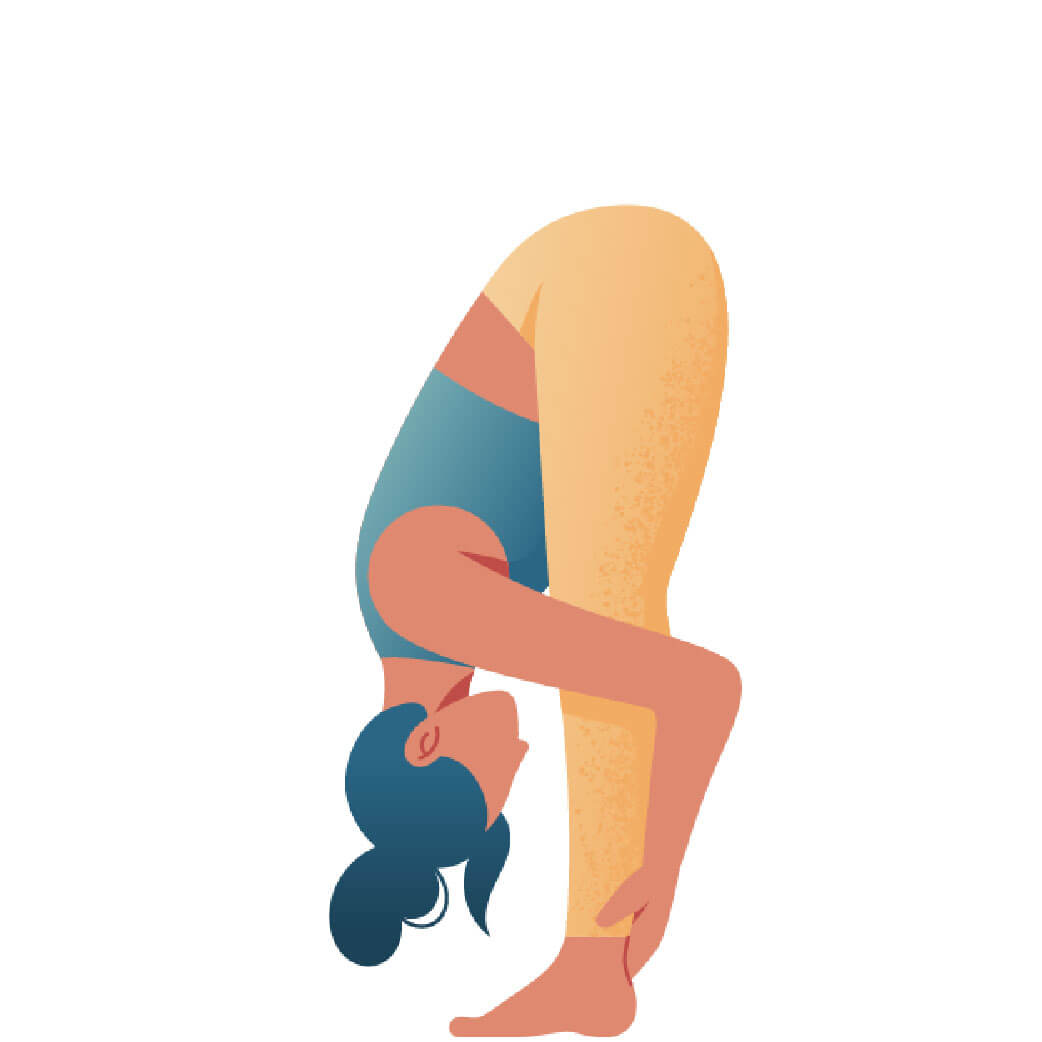
Uttanasana stretches the hamstrings and spine while relieving tension in the back.
Hinge at hips, fold forward, and allow head and arms to hang. Bend knees if necessary. Focus on elongating the spine, improving flexibility, and relieving tightness from prolonged sitting.
8. Warrior II Pose (Virabhadrasana II)

Warrior II strengthens legs, opens chest, and promotes an upright posture.
Step one foot back, bend front knee, extend arms parallel to the floor, and engage core. Hold 20–30 seconds per side. Builds strength, stability, and awareness of proper spinal alignment.
9. Seated Spinal Twist (Ardha Matsyendrasana)
Twist the spine to improve mobility and relieve tension from sitting.
Sit, cross one foot over the opposite thigh, twist gently, and lengthen the spine. Hold 20–30 seconds per side. Enhances spinal rotation and helps prevent stiffness caused by sedentary habits.
10. Chest Opener Stretch
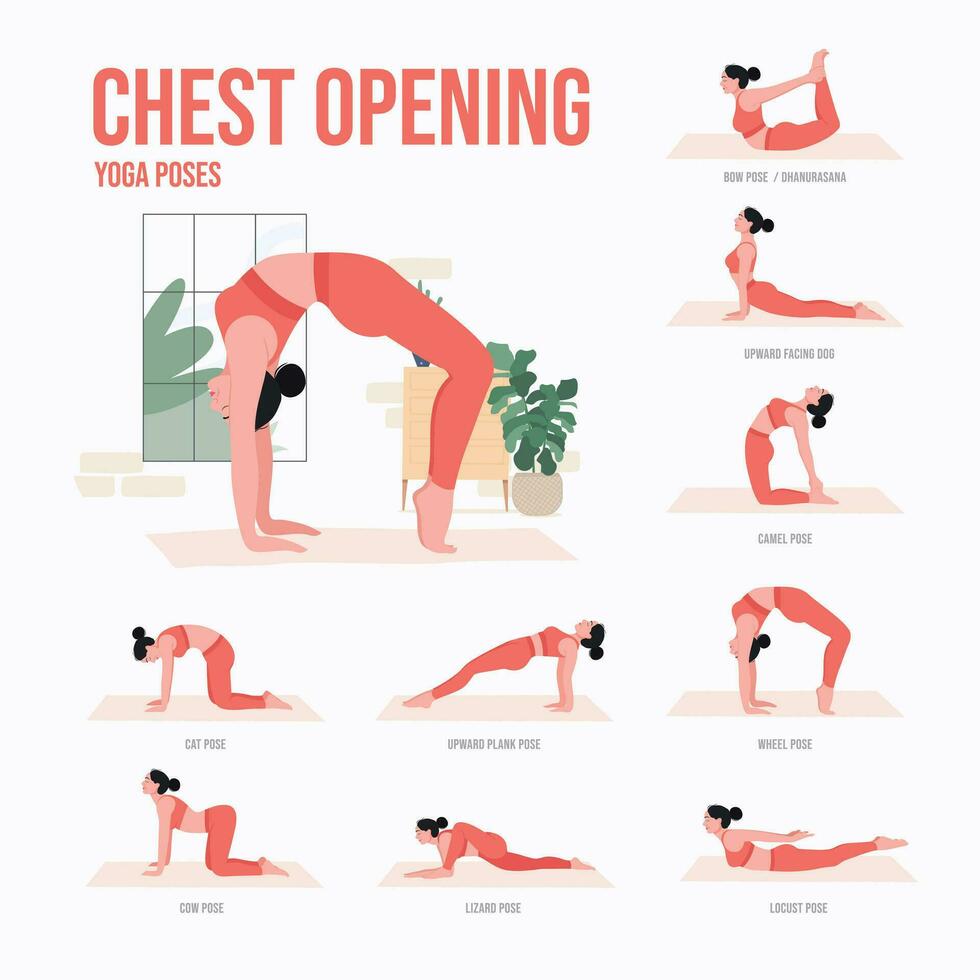
Opens pectoral muscles and counteracts rounded shoulders from desk work.
Clasp hands behind back, roll shoulders down, lift chest, and hold 15–30 seconds. Combine with deep breathing to maximize chest expansion and posture benefits.
Tips for Daily Posture Improvement
1. Take breaks every 30–60 minutes to stretch and realign your spine.
2. Strengthen the core with yoga, Pilates, or functional exercises.
3. Adjust workstation ergonomics, including chair support and screen height.
4. Sleep on a firm mattress and avoid stomach sleeping.
5. Wear supportive footwear to maintain natural spinal alignment.
6. Practice mindful walking with shoulders back and head up.
7. Use props such as yoga blocks or straps to enhance stretches.
8. Stay hydrated for better muscle flexibility.
9. Maintain consistency—daily yoga improves posture over time.
10. Incorporate micro yoga sessions during work breaks for long-term benefits.
Frequently Asked Questions
Q1: How long will it take to see results?
Consistent yoga practice 3–5 times a week usually shows noticeable improvement in 3–6 weeks. Micro stretches during the day accelerate results.
Q2: Can yoga prevent back pain?
Yes, yoga strengthens the muscles supporting the spine, corrects misalignments, and reduces risk of chronic pain.
Q3: Do I need special equipment?
No, a yoga mat and optional blocks or straps are sufficient. Most exercises rely on body weight and alignment awareness.
Conclusion
Yoga offers a holistic solution to improve posture, reduce back and neck pain, and enhance overall wellness. Incorporate these exercises into daily routines, follow posture tips, and use interactive challenges to track progress. For guided routines and personalized posture improvement, visit YogaEndless.