The Day Your Balance Stops Depending on Your Hands
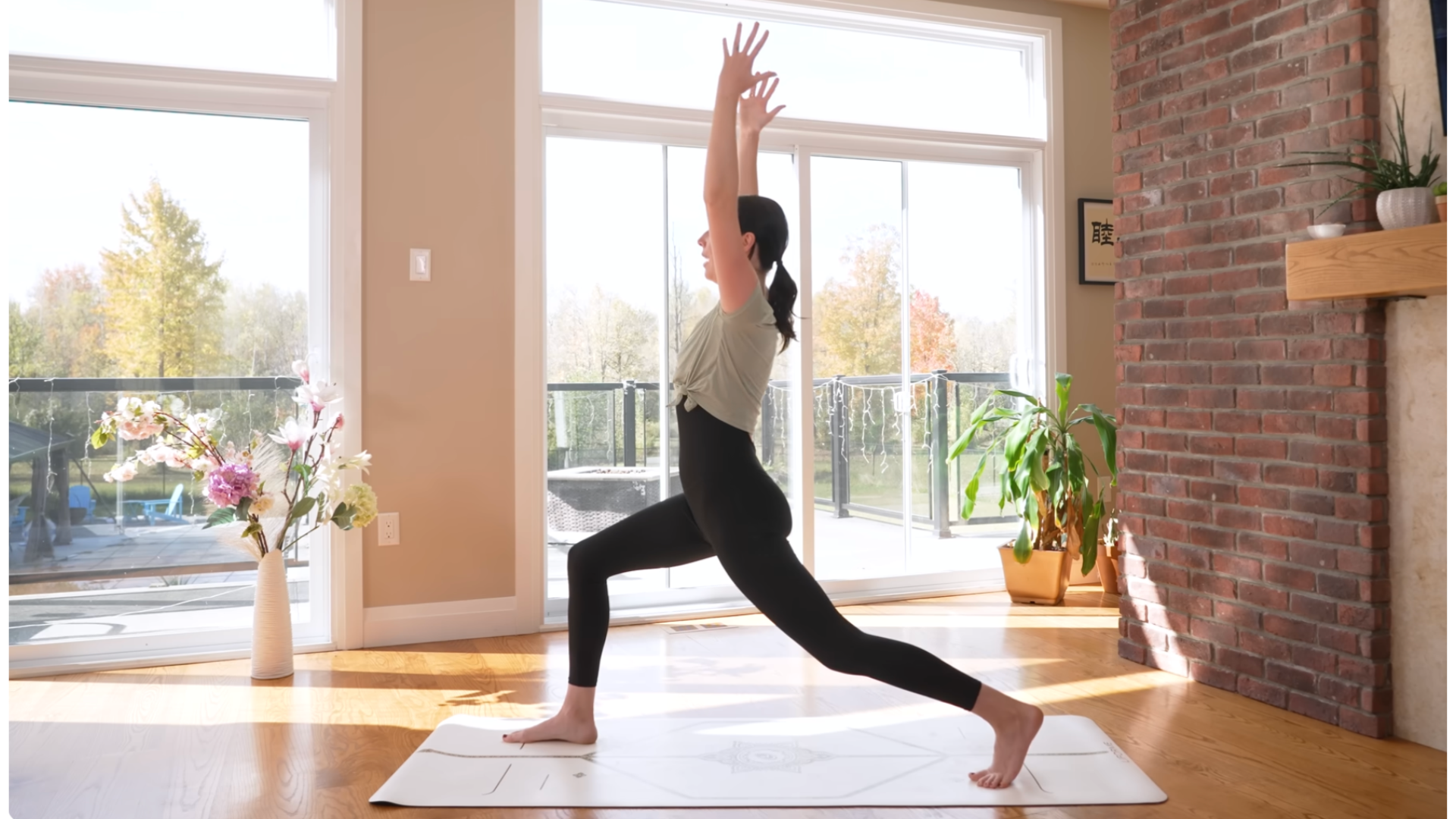
There is a moment on the mat — quiet, unexpected — when you lift your fingertips from the earth and nothing collapses. Your tree stands. Your warrior holds. Your body, without a single point of grip, simply knows where it is. That moment is not a trick of muscle. It is a homecoming to something your nervous system has always been capable of but rarely trusted to do alone.
Most of us reach for the floor, the wall, or a block not because we must, but because we have never been taught to believe we don't need to. Hands become a habit. A safety net so familiar it becomes invisible. And in that invisibility, the deeper work of balance — the proprioceptive, postural, fully internal work — goes undone. Today, we explore what it means to let go.
"Balance is not something your hands give you. It is something your whole body remembers — when you finally ask it to."
Why We Reach for the Ground
The hands-on-mat reflex is deeply wired. From the first time you attempted a standing fold or a warrior three as a beginner, the floor offered certainty. Neuroscience tells us that touch provides instant proprioceptive feedback — a positional report card your brain reads in milliseconds. Over time, the brain learns: ground contact equals safety. Remove it, and a quiet alarm stirs.
But here is the truth no one says aloud in most yoga classes: that alarm is information, not instruction. It is your system asking a question, not demanding an answer. The practice of hands-free balance is the practice of learning to pause at that question rather than reflexively answering it with your palms.
The Invisible Architecture of Balance
Balance is not one thing. It is a conversation between three systems: your visual field, your vestibular inner ear, and your proprioceptive network — the thousands of receptors in your joints, fascia, and feet that map your body in space. When hands are on the ground, the proprioceptive load shifts toward the palms. Remove them, and suddenly the feet, ankles, hips, and spine must do the full reporting.
This redistribution is not a loss. It is an expansion. The day your balance stops depending on your hands is the day your entire body begins to listen at once.
Notice the next time you instinctively reach for the floor, a wall, or a block during a standing pose.
Ask: Am I reaching because I need to, or because I always have?
There is no wrong answer. There is only the noticing.
Training the Body to Trust Itself
Hands-free balance does not arrive from willpower. It arrives from accumulated micro-corrections — the thousands of small swaying moments where the body learns to self-organize. The practice is less about holding still and more about getting comfortable with movement within stillness. A slight sway is not failure. A slight sway is the nervous system working exactly as it should.
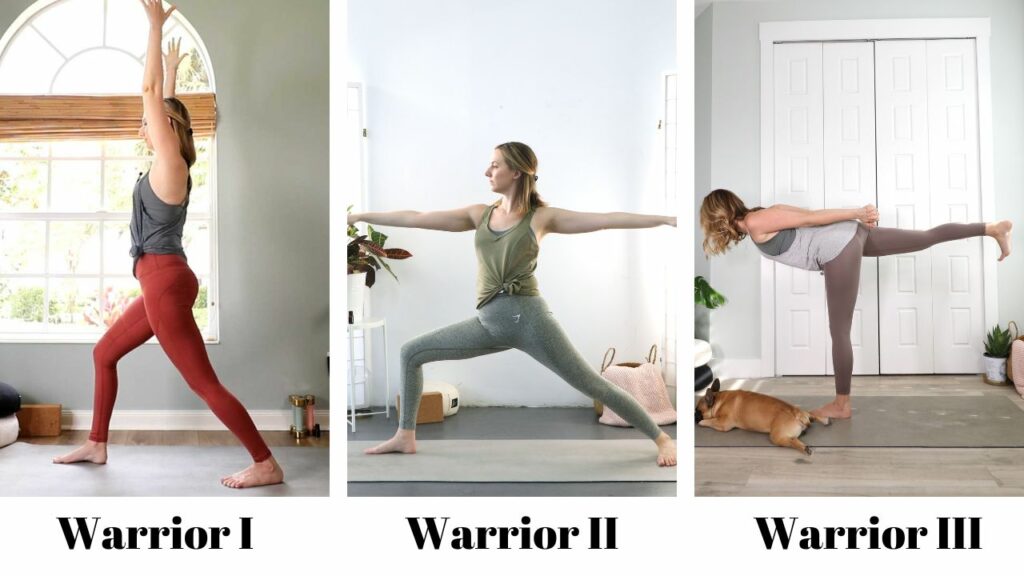
Begin with familiar ground: a gentle Warrior Three or Tree Pose with arms fully extended at your sides rather than touching anything. Soften your gaze. Let the standing foot spread wide. Feel the subtle pulsing of weight transfer across the arch. That pulsing is intelligence, not instability.
What Hands-Free Practice Reveals
Remove the hands and the ego has fewer places to hide. The body becomes the teacher. You will discover which hip carries more tension, which ankle has been quietly compensating for a year, which part of your breath you hold without realizing. These discoveries are not problems. They are the beginning of a much more honest practice.
Yogis who transition to hands-free flows consistently report a shift in how they experience not just their practice, but their daily lives — steadier on staircases, calmer in crowded places, more rooted in difficult conversations. The mat becomes a training ground for the proprioception of being fully alive.
Four Questions for Your Practice
- 01When did you last practice a full standing sequence without touching the floor or a prop?
- 02Can you identify one pose where you reach for support out of habit, not necessity?
- 03How does your breath change when you remove one point of physical contact?
- 04What would it feel like to trust your body completely for just ten breaths?
A Gentle Path Forward
You do not need to abandon props or challenge yourself recklessly. This is not an invitation to force. It is an invitation to experiment with softness. Try lifting your fingertips one centimeter from the mat in a wide-legged fold. Try floating the arms in Warrior Two without brushing the thighs. Try pausing mid-transition and finding your balance in the in-between space.
These are not advanced acts. They are attentive ones. And attention, on and off the mat, is the most powerful practice you will ever develop.
Explore more guided practices with Yogaendless.
Hands-free flows, restorative sequences, and guided meditations — all designed to return you to yourself.
Explore PracticesThe day your balance stops depending on your hands is not a day of achievement.
It is a day of listening. Of returning. Of finding out that your body has been steady all along —
it was simply waiting for you to ask it to be.