
This Daily Habit Is Draining Your Energy
There is a kind of tiredness that does not come from doing too much. It develops quietly, often without a clear reason. The day continues as usual, tasks are completed, conversations happen, and everything appears normal on the surface. Yet underneath, energy begins to drop in a way that feels difficult to explain. This form of fatigue is not physical alone. It is shaped by how attention is used throughout the day without pause.
Energy is not only physical. It is deeply connected to how long your attention stays engaged without rest.
The Habit of Constant Mental Engagement
Modern life keeps the mind continuously active. Even when the body is still, the mind is moving through thoughts, planning, reacting and anticipating. Notifications, conversations and responsibilities create a constant stream of engagement that rarely stops. Over time, this becomes a habit where the nervous system remains slightly active throughout the day.
This constant engagement prevents the body from fully relaxing. The mind does not recognize moments of safety or stillness, and as a result, the body continues to operate in a state of low-level alertness. This is where energy begins to drain slowly, without immediate awareness.
Pause for a moment and notice your current state. Is your mind completely still, or is it already moving toward the next thought?
Why the Body Feels Tired Without Physical Effort
The body reflects the activity of the mind. When thoughts remain constant, breathing becomes shallow and irregular. Muscles hold subtle tension, especially in the shoulders, neck and jaw. These changes are small and often go unnoticed, but they require energy to maintain throughout the day.
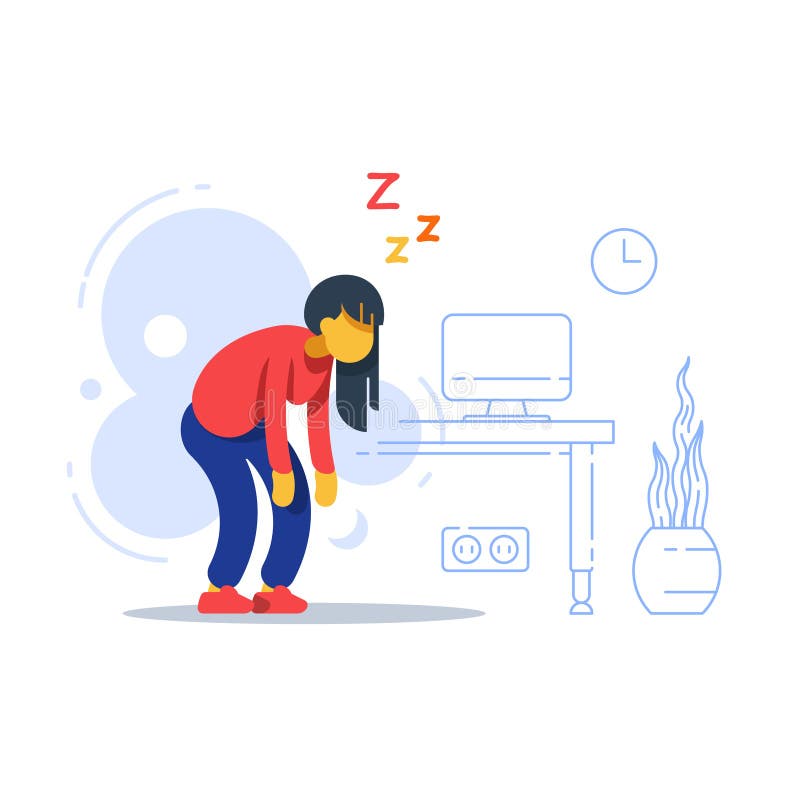
Because this tension is not obvious, it continues without interruption. By the time fatigue becomes noticeable, the body has already been working quietly for hours. This is why rest alone does not always restore energy. The underlying pattern of constant engagement needs to shift.
Fatigue is not always caused by activity. It is often caused by the absence of true rest within the mind and body.
The Role of Awareness in Energy Restoration
Awareness creates a shift in how energy is used. When attention returns to the body, even briefly, the nervous system begins to settle. The breath naturally deepens, muscles begin to release tension, and the mind slows down without effort. This shift does not require force. It happens through simple noticing.
Over time, these small moments of awareness interrupt the pattern of constant activity. Instead of continuously spending energy, the body begins to restore it. This creates a more stable and sustainable sense of energy throughout the day.
Take one slow breath right now and notice how your body responds. Small shifts often create the biggest changes.
Creating Space Between Moments
Energy returns in the space between actions. A pause before responding to a message, a breath after completing a task, or a moment of stillness before moving forward can make a significant difference. These pauses may seem small, but they allow the nervous system to reset.
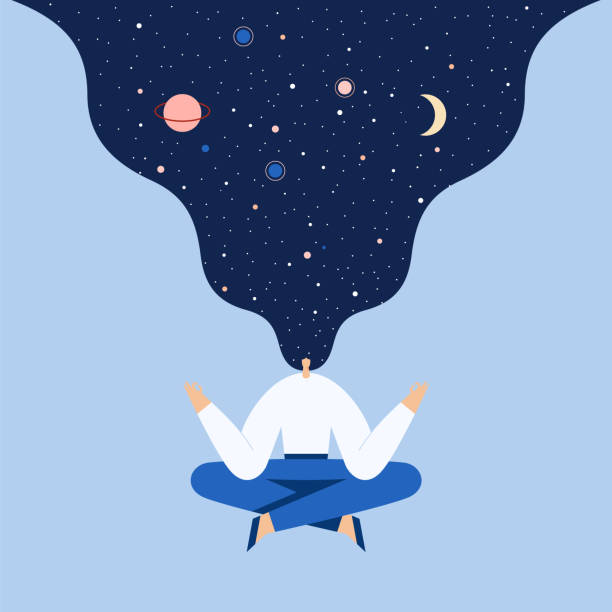
When these moments become part of daily life, the rhythm begins to change. Instead of constant movement, there is a natural balance between activity and rest. This balance supports long-term energy rather than temporary relief.
☐ I paused today
☐ I noticed my breath
☐ I slowed down
☐ I released tension
☐ I noticed my breath
☐ I slowed down
☐ I released tension
Yogaendless encourages a way of living where awareness supports energy. Through small pauses and mindful attention, the body naturally returns to balance. Energy is not forced. It is restored through presence.
Explore mindful practices with YogaendlessEnergy does not come from doing more. It comes from understanding when to pause and allowing the body to return to its natural rhythm.