Beginner Yoga
What Is Yoga Nidra, and Why Is Everyone Talking About It?
“Yogic sleep” isn’t sleep at all, and that’s exactly what makes it interesting.
In this article
Key takeaways
- Yoga Nidra is a guided, lying-down meditation practice, not a physical yoga style, done while staying conscious at the edge of sleep.
- Research links it to reduced sympathetic nervous system activity, improved sleep quality, and better next-day cognitive performance.
- Its recent popularity is partly driven by neuroscience research on “Non-Sleep Deep Rest,” a term used to describe exactly this kind of practice.
- Unlike a nap, you remain aware throughout, which is part of why it can feel more restorative than dozing off.
If your social feed has mentioned “yoga nidra” or “NSDR” lately, you’re not imagining the sudden spike. It’s one of the fastest-growing search terms in wellness right now, and unlike a lot of trends, this one actually has solid research behind it.
What Yoga Nidra actually is
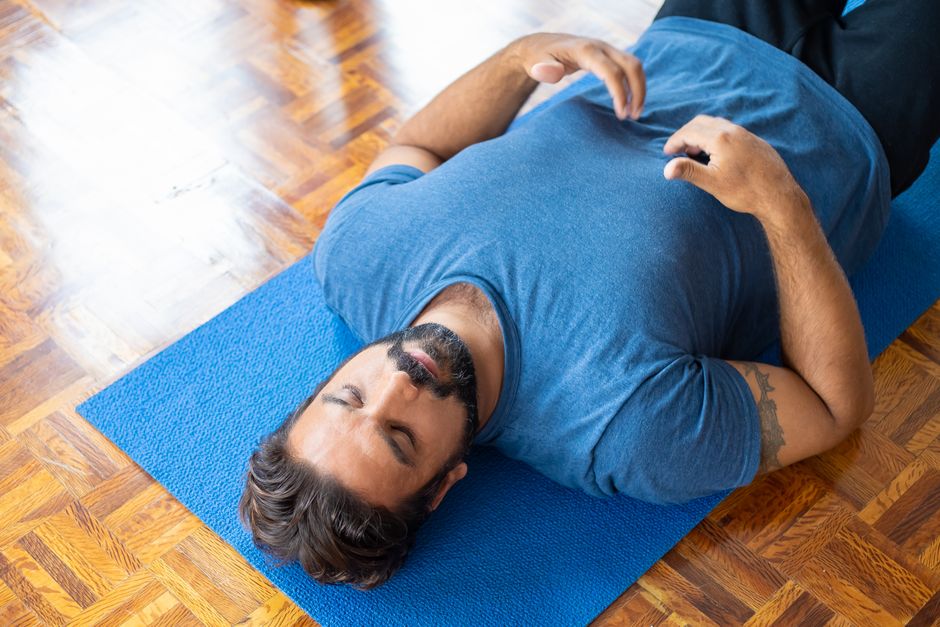
Yoga Nidra, literally “yogic sleep,” is a guided meditation practice done lying down, usually in savasana, where a teacher walks you through your breath, body, and mental imagery while you stay conscious the entire time. Despite the name, you’re not actually asleep, the goal is a state of deep relaxation that sits somewhere between waking and sleeping, not unconsciousness itself.
Unlike most yoga styles, there’s little to no physical movement involved. The practice is entirely mental and sensory, following your teacher’s voice as your body settles more and more deeply into stillness.
Quick tip: If a class or recording asks you to lie in savasana and simply listen, without any poses to follow, that’s almost certainly Yoga Nidra.
Why it’s having a moment right now
Part of the recent surge traces back to neuroscience research popularising the term Non-Sleep Deep Rest, used to describe mindfulness practices, including Yoga Nidra, that induce deep relaxation without leading to actual sleep. That framing has resonated widely, especially with people who don’t necessarily think of themselves as “yoga people” but are drawn to a practical, evidence-linked tool for stress and focus.
What the research actually shows
Yoga Nidra and sleep, cognition, and memory in novice practitioners
A study on Yoga Nidra practice in first-time practitioners found improvements in slow-wave (deep) sleep, along with faster responses and improved accuracy on next-day cognitive and memory tasks.
Source: PMC/NIH-indexed research, published research team from Armed Forces Medical College, Pune
Yoga Nidra vs. meditation for stress and anxiety (2018)
A study of 60 college professors comparing yoga nidra, meditation, and a control group over three months found both practices reduced stress, with yoga nidra performing particularly well at reducing anxiety specifically.
Source: International Journal of Yoga
Nervous system mechanism behind the practice
Research suggests Yoga Nidra works partly by reducing activity of the sympathetic (“fight or flight”) nervous system while increasing parasympathetic (“rest and digest”) activity, the same shift associated with falling asleep naturally.
Source: Sleep Foundation, citing peer-reviewed sleep research

What a session actually feels like
Most sessions run somewhere between 20 and 45 minutes, though shorter versions exist for beginners or busy schedules. You lie down, get comfortable, and are guided through a body scan, breath awareness, and often some form of visualisation, gradually settling deeper into stillness. Many people describe drifting to the very edge of sleep without quite crossing over, and coming out the other side feeling unusually clear-headed rather than groggy.
“The first time most people try Yoga Nidra, they’re convinced they fell asleep. They usually didn’t, they just haven’t felt that specific kind of stillness while still being aware, and it can be genuinely disorienting in a good way.” — Anjali Pandey, Founder, Yogaendless
How it’s different from meditation or a nap
Compared to seated meditation, Yoga Nidra is more structured and more physically passive, you’re guided step by step rather than simply sitting with your breath. Compared to a nap, the key difference is awareness: a nap involves losing consciousness, while Yoga Nidra deliberately keeps you at the threshold of sleep without crossing it, which is part of why practitioners and researchers distinguish it clearly from ordinary rest.
Try it with Yogaendless
Yoga Nidra sessions are a natural complement to a more active practice, whether you’re winding down after a long week or looking for a genuinely restorative addition to your routine. It’s available through Yogaendless’s live classes and pre-recorded lessons, guided by Anjali Pandey.
Curious what it actually feels like?
Try a guided Yoga Nidra session, live or on your own time.
Explore Pre-Recorded LessonsFAQ
Is Yoga Nidra the same as meditation?
They’re related but distinct. Yoga Nidra is more structured and physically passive, guided step by step while lying down, whereas meditation is often practiced seated and less rigidly scripted.
Will I actually fall asleep during Yoga Nidra?
It’s meant to keep you conscious at the edge of sleep, though it’s common for beginners to briefly drift off, especially if they’re very sleep-deprived. That’s not a failure of the practice.
Do I need any yoga experience to try it?
No. Since there’s little to no physical movement involved, Yoga Nidra is accessible to complete beginners and people of varying fitness levels.
How long should a session be?
Traditional sessions often run 30 to 45 minutes, but shorter 10 to 20 minute versions are common and still effective, especially for those newer to the practice.
Can Yoga Nidra help with anxiety, not just sleep?
Research comparing it to standard meditation found yoga nidra was particularly effective at reducing anxiety specifically, alongside general stress reduction.
Here’s a taste of what a guided session sounds like:


Yogaendless is an online yoga studio led by Anjali Pandey, offering live group classes, private coaching, on-demand flows, corporate sessions, and retreats, with a physical home at Loft 52, Bandra, for anyone who wants to build strength, flexibility and calm, whatever their starting point.