Retreats
What Your Body Actually Needs After Months of Sitting at a Desk
Tight hips, a stiff back, shoulders that never quite drop, here’s what months at a desk actually do to you, and what genuinely undoes it.
In this article
Key takeaways
- Prolonged sitting tightens hip flexors and hamstrings, and stiffens the joints around them, regardless of how active you are outside work hours.
- Tight hips and hamstrings affect gait and balance, and can contribute to lower back pain and knee stiffness.
- A five-minute desk stretch helps in the moment, but it doesn’t undo months of accumulated postural strain.
- What actually helps is sustained, varied movement, day after day, not a single quick fix.
You know the feeling by 6pm: the specific stiffness in your lower back when you finally stand up, the hips that feel like they’ve forgotten how to open, the shoulders creeping toward your ears without you noticing. It’s not in your head, and it’s not just “getting older.” It’s what months of sitting actually does to a body that was built to move.
What months at a desk actually do to your body
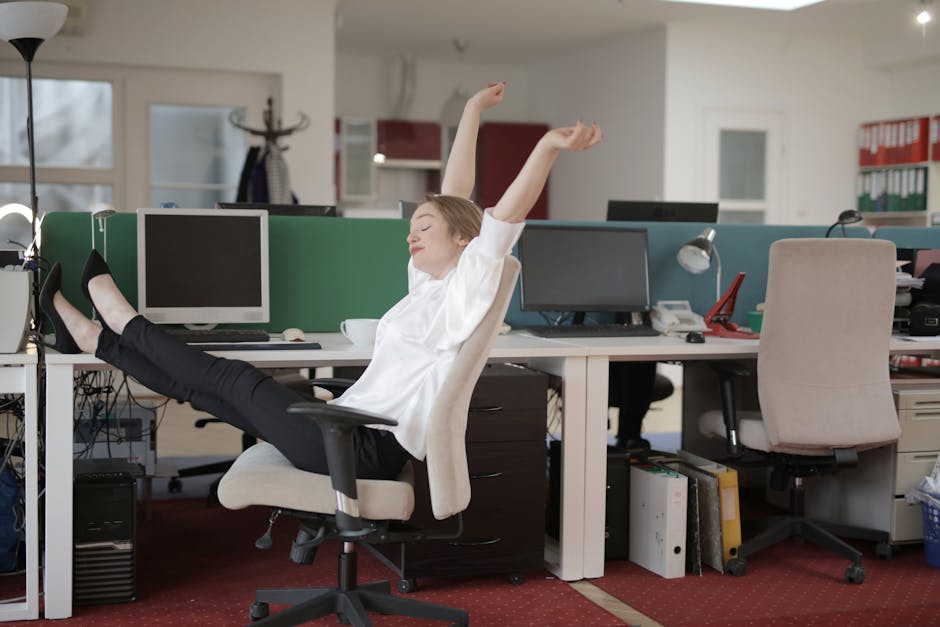
Even for people who are reasonably active outside work, hours of sitting, whether at a desk, on the commute, or in front of a screen, tighten the hip flexor and hamstring muscles and stiffen the joints themselves. That’s the case even if you go for a run after work, because the strain builds cumulatively across the hours you’re seated, not just in the absence of exercise.
The knock-on effects go beyond just feeling stiff. Overly tight hip flexors and hamstrings affect gait and balance, making activities like walking harder, and may contribute to lower back pain and knee stiffness, the kind of everyday discomfort that quietly becomes normal simply because it’s constant.
A quick map of where it shows up
Hips
Hip flexors shorten and stiffen from staying in a flexed position for hours, limiting how far they can comfortably extend.
Lower back
Compensates for tight hips and weak glutes, often carrying strain that actually originates elsewhere in the body.
Hamstrings
Stiffen alongside the hips, affecting gait, balance, and how the knees track when you walk.
Neck & shoulders
Forward head posture from screen time tightens the upper trapezius, contributing to that familiar tension headache.
Quick tip: If your lower back only hurts after you stand up, not while you’re sitting, that’s often a sign of slow-building muscular fatigue rather than an acute injury, worth addressing with movement, not just rest.
Why the occasional stretch isn’t quite enough
A two-minute hip flexor stretch between meetings genuinely helps in the moment. But months of daily sitting create a cumulative pattern, not a single tight spot, and that pattern doesn’t fully unwind in the five minutes you can spare between calls. It needs sustained, varied movement over consecutive days: full hip extension, a genuinely open chest, a spine that gets to move through its actual range, not just a quick pull at a desk.

“People come to their first retreat class expecting to feel loose by the end of it. What actually happens is deeper, and slower. By day three or four, I watch people’s hips open in poses they couldn’t touch on day one. That’s not flexibility training. That’s just giving the body enough consecutive days to finally let go.” — Anjali Pandey, Founder, Yogaendless
What your body actually needs instead
Not a single stretch. Not even a single good workout. What genuinely reverses months of accumulated desk strain is consistent, varied movement across several consecutive days: hip openers, backbends, forward folds, twists, done daily, with actual rest for recovery between sessions. That combination is hard to build in stolen ten-minute windows around a workday. It’s exactly what a multi-day, movement-rich retreat is built to provide.
Give it five full days: Rooted 2.0
Rooted 2.0 isn’t a single yoga class, it’s five consecutive days of daily asana in Dunagiri, Uttarakhand, with enough time and repetition for your hips, hamstrings, and spine to actually recover their range, not just feel briefly looser for an afternoon.
Give your body more than a five-minute stretch
Five consecutive days of daily practice, built to actually undo months of sitting. Early bird pricing is open until 20 August.
Explore Rooted 2.0FAQ
I exercise regularly. Why do I still feel this stiff?
Sitting for hours tightens hip flexors and hamstrings regardless of how active you are outside those hours, the strain accumulates from the seated time itself, not just from inactivity.
Will a single yoga class fix months of desk posture?
It’ll help you feel better that day, but lasting change tends to come from consistent movement over consecutive days, not a one-off session.
What’s the quickest thing I can do at my desk right now?
Stand up, walk for a minute or two, and do a gentle hip flexor and chest stretch. Small, frequent movement breaks genuinely help in the moment, even if they’re not a full fix.
Is Rooted 2.0 physically demanding?
It’s accessible to all levels. The daily asana practice is designed to gently open and restore range of motion, not push you into intense physical exertion.
I have existing back or hip pain. Should I still consider a retreat?
Many guests come specifically because of desk-related stiffness or discomfort. That said, if you have a diagnosed condition, it’s worth checking with your doctor or physiotherapist before an intensive movement week.
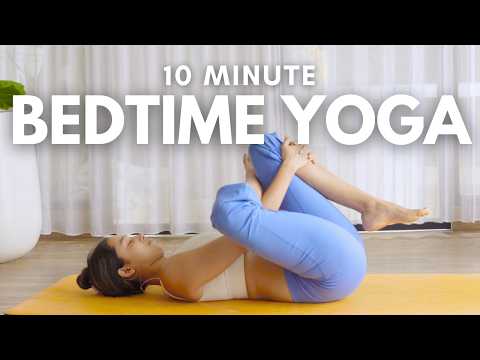
Here’s what daily practice designed to open the body actually looks like:


Yogaendless is an online yoga studio led by Anjali Pandey, offering live group classes, private coaching, on-demand flows, corporate sessions, and retreats, with a physical home at Loft 52, Bandra, for anyone who wants to build strength, flexibility and calm, whatever their starting point.