
Why 90% of People Quit Yoga (And How to Avoid It)
Yoga often begins as curiosity and hope. A few sessions in, excitement grows. Yet over time many practitioners fade away, not because yoga failed them, but because the way they approached yoga did. Yoga is a lifelong companion — not a checklist. Many people quit long before they discover the deeper gifts this practice has to offer. Understanding the underlying reasons helps us reshape how we begin, sustain, and grow our relationship with the mat, the breath, and the self.
Starting With Expectations Instead of Awareness
When most people begin yoga, they bring expectations shaped by images of flexibility, impressive poses, or rapid change. These expectations can easily become silent judges. Yoga is not a practice of perfection, but of presence. When the goal shifts from achievement to exploration, the nervous system relaxes. Noticing breath, body sensation, and alignment becomes the real practice — not shallow performance. Undoing expectation allows yoga to become a source of nourishment rather than comparison.

Expectations can also lead to frustration. A tight hamstring becomes evidence of failure, not an invitation to patience. Awareness of sensation without judgment invites practitioners to witness themselves clearly. This shift, from striving to sensing, is the heart of sustainable yoga.
Rushing Through Movement Instead of Listening
Life in the modern world is fast. We are conditioned to move quickly, tick boxes, and push forward. Many leave yoga because the pace of their body does not match the pace of their mind. Yoga invites slow, mindful movement consistently. Quick motions without breath coordination do not calm the nervous system; they mimic the very busyness practitioners seek relief from.
Listening to breath first creates movement that feels rapport with the body. When students learn to match breath with motion, the practice becomes regulating. When breath is ignored, tension increases, and discomfort grows. Conscious pacing keeps yoga gentle, sustainable, and restorative.
A Focus on Flexibility Instead of Nervous System Balance
Flexibility is the most advertised benefit of yoga, but it is not the reason many people experience lasting transformation. True change comes through nervous system regulation. When the breath deepens, heart rate slows, and muscles soften, stress hormones decrease. This internal shift affects mood, sleep, digestion, and awareness. Yoga becomes more than physical exercise. It becomes a tool that restores homeostasis — a reset for body and mind.
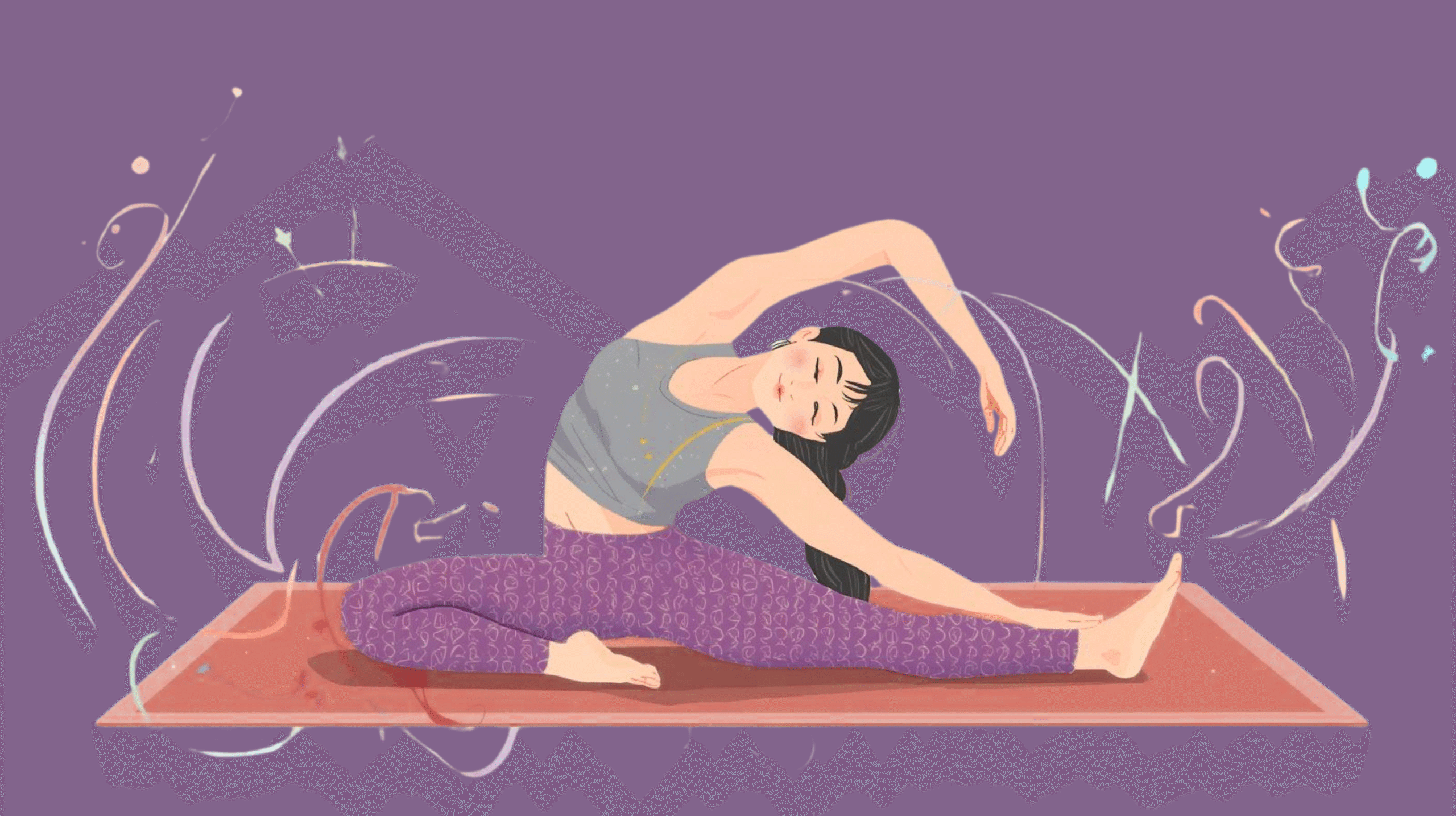
When students approach yoga with an understanding of nervous system health, their motivation becomes rooted in sustainable benefits. Yoga starts as movement but becomes integrated into life rhythms.
Practicing in Isolation Instead of With Community
Humans are social beings. Group classes, shared experiences, and community support help anchor practice. Many quit when they feel alone or unsupported. Even a short online session can create a sense of connection when intention and calm language guide it. The sense of being part of a larger journey supports perseverance.
Yoga communities don’t need to be large. A few consistent connections, shared reflections, and mutual commitment create an ecosystem that holds you when motivation wanes. This simple shift prevents isolation and helps practice thrive.
Seeing Yoga as a Challenge to Finish Instead of a Relationship to Continue
When yoga is seen as a challenge with an end, quitting becomes easy. What if yoga is not something to finish but something to grow with? If every session is a moment to return home to the body, then inconsistency is only a pause, not a failure. Yoga invites lifelong curiosity. The mat becomes a safe place to meet the self — again and again — with softness instead of force.
To avoid quitting, invite awareness into every moment. Practice without judgment. Breathe before you move. Slow down. Observe sensation instead of rushing toward a pose. When yoga becomes a companion instead of a goal, it becomes sustainable, regenerating, and gentle on the nervous system.
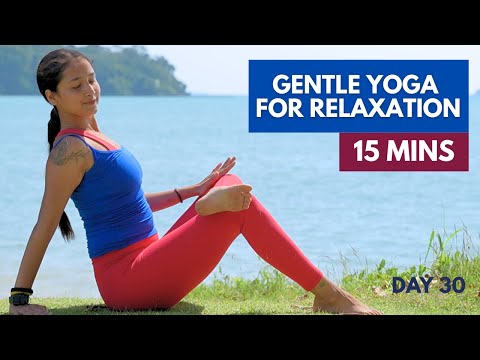
Practice mindful, slow movement that anchors your nervous system and invites calm.
Tap to explore this restorative full body session