
Why Global News Is Affecting Your Mind More Than You Think
There was a time when news arrived slowly. It came through newspapers, occasional broadcasts, and conversations. Today, it arrives constantly. Every moment holds an update, an alert, a headline. Wars, crises, conflicts, economic shifts. Even when these events are far away, they enter the mind instantly. The body, however, does not fully understand distance in the same way the mind does. It responds to information as if it were immediate.
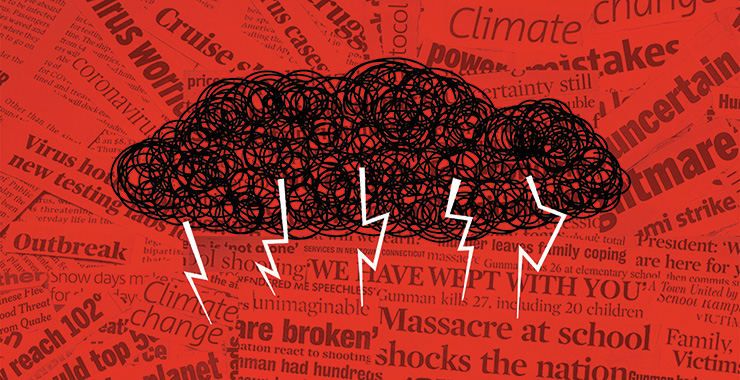
This creates a quiet but continuous impact. The mind absorbs stories of urgency, uncertainty and intensity, while the body begins to respond through subtle changes. Breath shortens slightly. Shoulders hold tension. Attention becomes narrower and more alert. These responses are not always strong enough to be noticed, yet they accumulate throughout the day.
The Nervous System Responds to Information, Not Just Reality
The nervous system does not distinguish clearly between direct experience and vivid information. When reading or watching intense news, the body may react as though it is part of the situation. This is not a flaw. It is a survival mechanism. The brain is designed to prepare the body for potential danger, even when that danger exists only through a screen.
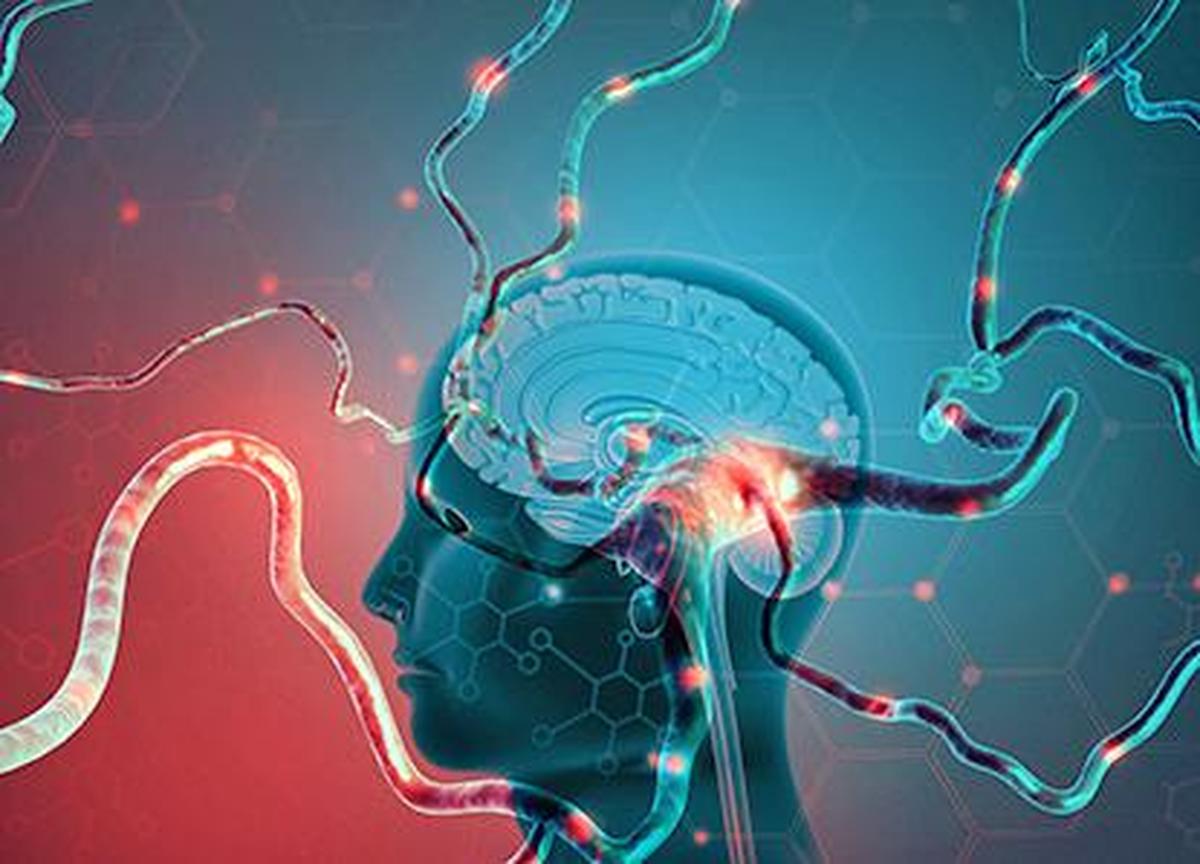
Over time, repeated exposure to global events can create a steady background state of alertness. It may not feel like fear, but it often appears as restlessness, distraction or mental fatigue. The mind continues to process information long after the screen is turned off.
The Weight of Constant Awareness
Being informed is valuable, yet constant awareness carries its own weight. The mind holds multiple layers of information at once. Personal responsibilities, daily routines and global events begin to overlap. Without space to process or release, this creates a sense of mental heaviness.

Yoga does not suggest avoiding awareness. Instead, it encourages balance. Information can be received without becoming absorbed. This shift begins with noticing how the body responds. A tighter breath while reading. A sense of pressure in the chest. A slight tension in the jaw. These are signals that awareness is turning into strain.
Returning to the Present Moment
One of the simplest ways to restore balance is to return attention to the present moment. The body exists here, not in distant events. When attention moves to breath, to physical sensation, or to the environment around you, the nervous system receives a different signal. It recognizes that in this moment, there is no immediate danger.
This does not remove concern or awareness. It creates space around it. The mind can stay informed without carrying the full emotional weight of every situation. This balance allows clarity instead of overwhelm.
Small Boundaries Create Mental Space
Gentle boundaries around information can support the mind. Not by disconnecting completely, but by creating moments of pause. Stepping away from continuous updates. Allowing time for the body to reset. Choosing when to engage rather than responding to every alert. These small shifts change how information is experienced.
Over time, the nervous system begins to settle more easily. Awareness becomes steady rather than reactive. The mind feels clearer because it is not holding constant urgency.
Yogaendless believes awareness should support clarity, not overwhelm. Through simple practices of breath and attention, the mind can stay connected to the world while remaining grounded within the body. Balance grows when awareness and stillness exist together.
Explore mindful practices with YogaendlessThe world will continue to move, and information will continue to arrive. The question is not whether to stay aware, but how to stay balanced within that awareness. When attention returns to the body, even briefly, the mind finds a quieter place to stand.