Yoga for Eye Strain Relief & Neck Tension: The Complete Wellness Handbook
A comprehensive practical guide with poses, breathing, trimester-safe modifications, nutrition, mindful scripts, safety tips, and interactive sidebar tools to calm your eyes and release neck tension. Designed for modern screen users, office workers, students and pregnant practitioners.
Introduction
We live in a world of screens. From laptops and phones to tablets and TVs, many of us spend long hours looking at displays. This modern habit has an under-recognized companion — persistent eye strain and neck tension. These issues not only cause discomfort but also make it harder to concentrate, sleep well, and stay emotionally balanced. Fortunately, yoga provides a practical, evidence-informed path to relief. It combines gentle movement, breath regulation, eye exercises, posture reset, nutrition and mindfulness to reduce symptoms and build long-term resilience.
This handbook is structured for immediate use: short desk-friendly practices, longer sequences, trimester-safe versions for pregnancy, breathing exercises, nutrition guidelines, safety tips and an interactive sidebar to help you build the habit. Read, practice along, and bookmark this page for quick daily refreshes.
1. Understanding Eye Strain & Neck Tension
Why it happens
- Continuous near-focus: Holding gaze on close screens reduces blinking and overloads the ciliary muscles that help your eyes focus.
- Blue light & glare: screens emit blue light that can contribute to visual discomfort and interfere with sleep when used late at night.
- Poor posture: forward head posture increases load on cervical muscles and changes shoulder mechanics, producing chronic tension.
- Stress: psychophysiological stress triggers muscle guarding — the jaw tightens, shoulders lift, and neck muscles contract.
- Environmental factors: poor lighting, improper monitor height, and dry air contribute to symptoms.
Symptoms to watch for
Typical symptoms include: dry or watery eyes, blurred vision, difficulty refocusing between near and far, tension or pain in the neck and shoulders, headaches localized at temples or base of skull, and general fatigue or irritability. These signs often appear gradually and worsen with prolonged screen exposure.
2. The Science Behind Yoga for Eyes & Neck
Yoga’s benefits are not anecdotal — several physiological mechanisms explain how these practices help:
- Oculomotor training: eye movement exercises improve coordination among the six extraocular muscles, enhancing focusing flexibility and reducing strain from near work.
- Circulation: gentle neck stretches and chest openers improve blood flow to the cervical tissues and the muscles that support the eyes, helping tissue recovery and reducing stiffness.
- Autonomic regulation: pranayama (breathwork) shifts balance toward the parasympathetic nervous system, lowering cortisol and relaxing guarded neck muscles.
- Neuroplasticity & habit change: consistent posture and mindfulness practice trains the nervous system to adopt more ergonomic patterns, reducing chronic loading of neck structures.
When combined, these effects reduce both the physical load and the cognitive fatigue that perpetuate the cycle of eye strain and neck tension.
3. Benefits of a Regular Practice
Adopting targeted yoga practices yields multiple benefits:
- Immediate calming: Palming, humming breathwork and short restorative poses often produce a noticeable softening within minutes.
- Improved posture: spinal mobilization and chest opening counter forward-head posture, reducing long-term strain on the cervical spine.
- Less frequent headaches: many tension-type headaches diminish as shoulder and neck tightness decreases and circulation improves.
- Enhanced sleep & focus: reduced pain and stress translate into deeper sleep and clearer daytime concentration.
- Pregnancy support: modified sequences relieve postural discomfort arising from gestational shifts without stressing the abdomen or balance.
4. Trimester-Safe Guidance for Pregnancy
Pregnancy changes your body in ways that require special consideration. These trimester-specific guidelines ensure safety while preserving relief:
Second trimester (14–27 weeks): Use bolsters and blocks. Favor side-lying relaxation, supported Child’s Pose, and standing or seated variations that do not compress the belly. Avoid long periods lying supine.
Third trimester (28 weeks+): Prioritize side-support (left side for better circulation), short breathing practices, and gentle neck/shoulder release. Avoid deep forward folds and balancing poses without support.
Always consult your obstetrician for individual medical guidance and modifications tailored to your pregnancy.
5. Step-by-Step Yoga Poses (Desk-friendly & Home Practices)

How: Sit upright with a long spine. Rub your palms briskly to create gentle heat. Close your eyes and cup your palms over them, placing the base of each palm on the cheekbones so no pressure is placed on the eyeballs. Breathe slowly and visualize darkness and rest. Repeat 2–4 times daily when eyes feel tired.

How: Sit comfortably, keep the head steady and trace slow circular patterns with the eyes: up → right → down → left. Reverse direction after 5–8 cycles. This trains the extraocular muscles, improves lubrication by promoting blinking, and eases focusing fatigue.

How: Sit on the edge of your chair with feet flat. Inhale, arch the back, lift the chest and glance slightly upward—open the front body. Exhale, round the spine, draw chin to chest—feel the stretch along the back. Coordinate movement with breath for 8–12 rounds. This reduces forward-head posture and gently mobilizes cervical segments.
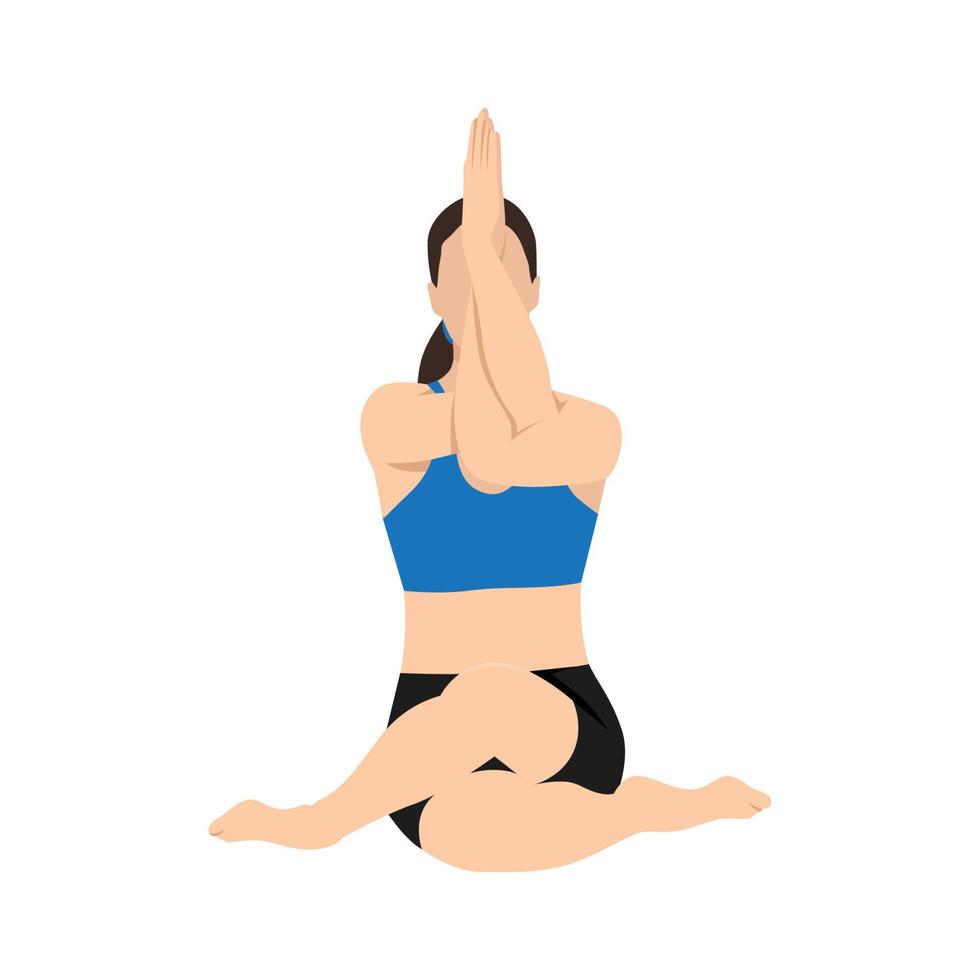
How: From a seated position, cross right arm under left at the elbow and wrap forearms, pressing palms together if possible. Lift elbows and broaden across the upper back. Breathe into the space between the shoulder blades to release tension that often transmits into the neck.

How: On hands and knees, inhale to lengthen the spine. Exhale and slide the right arm under the left, lowering the right shoulder and ear to the mat or a bolster. Keep hips lifted and breathe into the twist. This stretches the posterior shoulder and mid-back, reducing compensatory neck tension.

How: Lie on your back, bend knees and set feet under knees. Lift hips slightly and slide a block or bolster under the sacrum. Allow the chest to open and the throat to soften. Keep the neck neutral—do not tuck or over-extend the chin. Hold, breathing slowly and deeply to let the chest expansion reduce anterior neck tightness.
6. Poses & Practices to Avoid or Modify
Some poses commonly taught in yoga can aggravate cervical strain or eye conditions. Modify or avoid when necessary:
- Deep backbends (Wheel, Full Camel): these can hyperextend the neck if alignment is off.
- Prolonged headstands and aggressive inversions: risky if you have glaucoma, uncontrolled hypertension, or recent eye surgery.
- Strong abdominal twists that compress the belly: avoid during pregnancy, and modify with gentler seated twists that lengthen the spine instead of compressing the abdomen.
- Long static upward gazes: can create ocular strain and neck extension — prefer natural, soft gazes and frequent blinks.
7. Breathing Techniques & Short Guided Practices
Breath is a direct way to calm the nervous system and relax muscles. Here are accessible pranayama techniques:
Bhramari (Bee Breath)
Inhale deeply through the nose. Exhale while making a low, humming sound—feel the vibration around the skull, eyes and jaw. Repeat 6–8 times. This helps reduce headaches and eye tension through calming vibratory sensation.
Nadi Shodhana (Alternate Nostril)
Close right nostril with the thumb, inhale through left. Close left with ring finger, exhale through right. Continue alternating. Practice 4–8 minutes to balance nervous system tone and lower anxiety-driven muscle clenching.
Box Breathing (4-4-4-4)
Inhale 4 counts, hold 4, exhale 4, hold 4. Repeat 4–6 cycles. Use as a quick reset during work to slow heart rate and ease muscular tension in shoulders and neck.
8. Mindfulness & Mental Health Connection
Eye strain and neck tension are strongly influenced by mental state. Anxiety, rumination, and stress contribute to muscle guard in the neck and reduced blinking. Mindfulness practices help you notice early physical signals and choose rest before pain escalates.
Short Body Scan Script (2 minutes)
Close your eyes and breathe. Move attention from forehead → eyes → jaw → neck → shoulders → chest. With each exhale imagine loosening that area. Finish by saying: “Soft eyes, free neck, calm mind.” Repeat daily or when you feel tension rising.
Quick Journaling Prompt
At day's end, jot down: "Where did my body hold tension today? What one pause can I commit to tomorrow?" This small practice increases awareness and builds preventive habits.
9. Nutrition & Hydration to Support Eye & Neck Health
Nutrition supports tissue health, reduces inflammation and supports muscular relaxation. Consider these foods and nutrients:
- Vitamin A & Beta-Carotene: carrots, sweet potato, spinach — support retinal function and low-light vision.
- Lutein & Zeaxanthin: leafy greens, corn, egg yolk — protect against blue-light oxidative stress.
- Omega-3 Fatty Acids: fatty fish, flaxseed, walnuts — promote tear quality and reduce dry eye symptoms.
- Magnesium & Potassium: nuts, seeds, bananas — support muscle relaxation and reduce cramping/tension.
- Hydration: aim for steady water intake and herbal teas; dehydration increases eye dryness and tissue stiffness.
10. Daily Lifestyle & Ergonomics
Small workplace adjustments yield big results:
- 20-20-20 rule: every 20 minutes look at an object 20 feet away for 20 seconds — it resets focus and increases blink rate.
- Monitor position: top third of screen at or slightly below eye level, about 25–30 inches away.
- Seating: lumbar support, hips slightly above knees helps keep a neutral spine.
- Lighting: avoid glare and use soft ambient light rather than harsh overhead fluorescents.
- Micro-breaks: stand and stretch every 45–60 minutes — even a 30-second neck roll and shoulder shrug interrupts load accumulation.
11. Safety, Precautions & When to Get Help
Yoga for eye and neck relief is generally gentle, but certain conditions warrant care:
- Stop any action that causes sharp, shooting, or radiating pain in the neck or arms.
- If you have a recent neck injury, cervical disc disease or history of severe headaches, consult a physiotherapist or physician before practicing neck stretches.
- Eye conditions (glaucoma, retinal detachment, recent ocular surgery) require consultation with an ophthalmologist before inversions or intense breath holds.
- During pregnancy, especially after 20 weeks, avoid long supine positions and seek OB/GYN clearance for practice modifications.
12. Frequently Asked Questions
Will yoga correct my vision permanently?
Yoga improves comfort, focusing stamina and eye muscle coordination, but it does not typically change refractive errors (nearsightedness, farsightedness). It does, however, reduce fatigue, improve comfort when wearing corrective lenses, and may decrease dependence on symptomatic temporary measures.
How quickly will I see improvement?
Some people notice immediate relief from palming or bee breath; significant structural and habit changes often take consistent practice over weeks. Aim for short daily practices (5–15 minutes) rather than occasional long sessions.
Are these practices safe for children?
Yes. Safe, playful versions of palming, eye rotations and short breathing exercises are appropriate for children, especially to counteract long screen-based classes or gaming sessions.
13. Mindful Reminders
- Comfort before depth: never force neck rotations or compression.
- Micro-habits matter: short, frequent breaks prevent escalation of strain.
- Listen to your body: pain is a signal — slow down and modify.
14. Practical Routines & Schedule Suggestions
Short, repeatable routines are easiest to maintain. Here are two sample weekly plans — one for beginners and one for more advanced practitioners. Each includes desk-friendly options and longer home sessions.
Beginner — 10–15 minutes daily
- Day 1 — Palming (2 min), Eye Rotations (2 min), Neck Rolls (2 min).
- Day 2 — Seated Cat-Cow (5 min), Shoulder Rolls (2 min), Box Breathing (2 min).
- Day 3 — Thread-the-Needle (each side 30s), Eagle Arms (30s each), Palming (1 min).
- Day 4 — Supported Bridge (1–2 min), Guided Relaxation (5 min).
- Day 5 — Short mixed session of the above for 10–15 minutes.
- Weekend — Longer 20-minute restorative session combining breath and poses.
Advanced — 20–30 minutes daily
- Include longer pranayama (10 minutes), sustained supported back opening, deeper thoracic mobility work and longer guided relaxation or Yoga Nidra (10–20 min).
Practice Along — Guided Video
To make this practical, follow a guided routine that walks you through the sequences described above. Click the video below to practice along. Doing this once daily for a week will help make these movements feel natural and effortless.
Watch Guided YouTube Session ▶