
Yoga for Kids with ADHD: A Complete Guide
Attention-Deficit/Hyperactivity Disorder (ADHD) is not a weakness—it is a different way the brain processes information, responds to emotions, and interacts with the world. Children with ADHD are often highly creative, energetic, and imaginative, but they may also find it difficult to manage their impulses, stay focused, and regulate their emotions. Parents, educators, and therapists constantly look for strategies that are not only effective but also nurturing. This is where yoga steps in as a powerful, non-invasive, and playful solution.
In this article, we will dive deeply into yoga’s potential for ADHD management. We will explore its science, child-friendly routines, school adaptations, and real-life case studies. By the end, you will have a practical, actionable plan to introduce yoga to children and see meaningful results.
Understanding ADHD in Children
ADHD affects attention, behavior, and impulse control. Children may fidget, speak out of turn, forget instructions, or experience emotional outbursts. These behaviors are not intentional; they stem from differences in the brain’s executive functions. This means kids with ADHD need environments that support self-regulation, emotional balance, and structured creativity.
Parents often describe living with ADHD as being on a rollercoaster—thrilling at times, exhausting at others. A child may hyperfocus on building LEGO for hours, but struggle to complete a 5-minute homework task. This inconsistency often leads to frustration for both parents and children. Yoga, however, provides tools to smooth these ups and downs.
Why Yoga Works for ADHD Kids
Yoga combines movement, breath, and mindfulness. For ADHD children, who may struggle with sitting still in traditional meditation, yoga offers a dynamic, body-based approach. Scientific studies show yoga activates the parasympathetic nervous system, reduces cortisol (the stress hormone), and improves the functioning of the prefrontal cortex—responsible for focus and decision-making.
In practice, this means children can learn how to pause, breathe, and reset when they feel overwhelmed. Parents often report fewer meltdowns, smoother sleep routines, and improved classroom focus after just a few weeks of regular yoga practice.
Best Yoga Poses for ADHD
Tree Pose (Vrksasana)
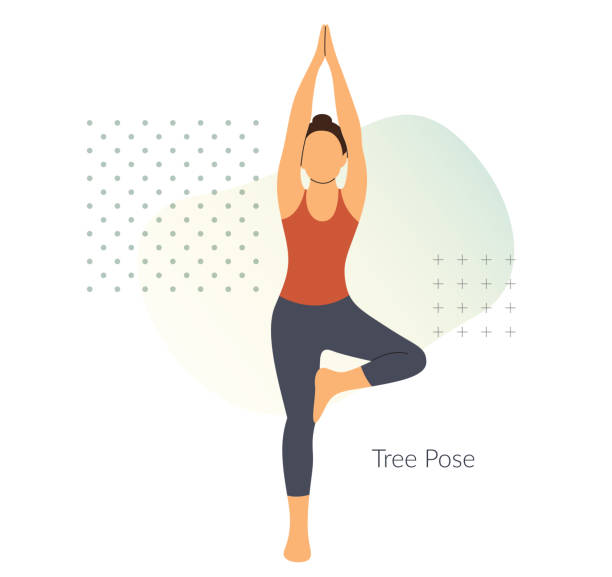
Children stand tall on one leg and stretch their arms up. Encourage them to imagine their foot growing roots into the earth. This visual helps them anchor their restless energy while building balance.
Butterfly Pose (Baddha Konasana)

Sitting with feet together, children flap their knees like butterfly wings. This playful imagery keeps ADHD kids engaged while gently stretching their hips and calming their minds.
Child’s Pose (Balasana)
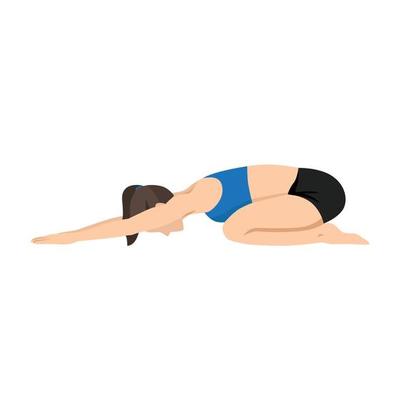
This is the ultimate calming pose. Children curl into a ball, resting their forehead on the mat. It provides a sense of safety, grounding, and emotional release.
Cat-Cow Pose

As children arch and round their spine, they mimic cats and cows. This playful breathing motion improves flexibility and provides a safe outlet for excess energy.
Candle Breath

Children imagine blowing gently at a candle without extinguishing it. This builds breath awareness and helps slow down impulsive reactions.
Frequently Asked Questions (FAQ)
Is yoga a replacement for ADHD medication?
No. Yoga is not a cure or replacement for medical treatment. Instead, it works best as a complementary practice alongside medication, therapy, and structured support.
How often should kids practice yoga?
Daily sessions of 10–20 minutes are most effective. Short, consistent routines have more impact than occasional long sessions.
What if my child refuses to sit still?
Start with playful yoga. Turn poses into stories, animal characters, or adventure games. Engagement is more important than perfect form.
Conclusion
Yoga is not about perfection—it’s about connection. For kids with ADHD, yoga offers a safe, playful, and empowering path to regulate emotions, boost focus, and nurture confidence. With patience, creativity, and consistency, parents and teachers can transform yoga into a tool for lifelong growth.
✨ To get started with structured routines and expert support, visit YogaEndless — a space where children can thrive through mindful movement and joyful practice.